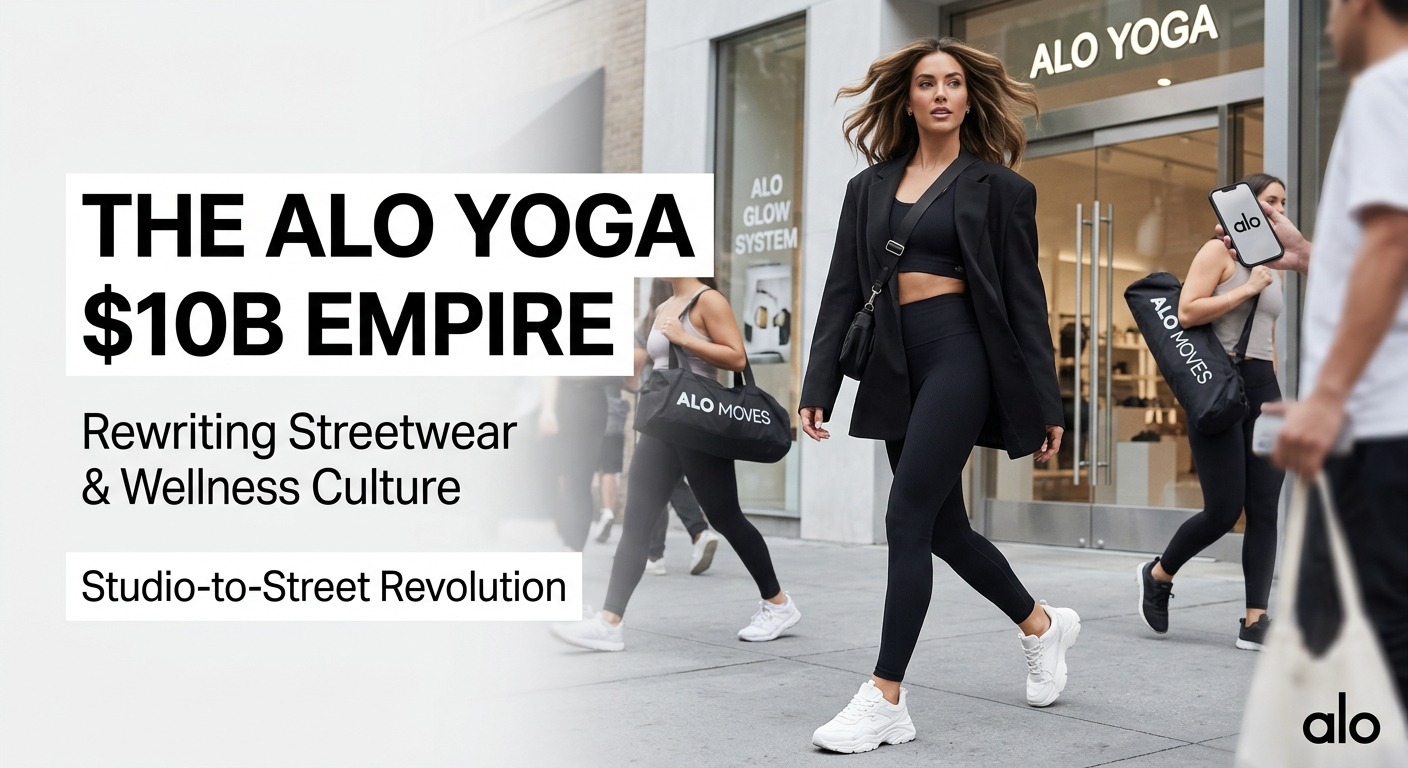
Is Alo Yoga Secretly Replacing Lululemon? The $10B Empire Rewriting Streetwear & Wellness Culture
Introduction: The Unlikely Empire Taking Over the Streets
Step into a luxury boutique on Paris’s Champs-Élysées, a trendy café in Beverly Hills, or a boutique studio in Manhattan, and you will notice a striking pattern. The sleek silhouette of performance wear has quietly displaced high-fashion tailoring. However, look closely at the stylized, metallic-sheen logo gracing these high-waisted leggings, tailored oversized blazers, and structured puffer jackets. It isn’t the classic horseshoe logo of Lululemon that once monopolized the activewear realm.
Instead, three lowercase letters are everywhere: alo.
Short for Air, Land, Ocean, Alo Yoga has accomplished what dozens of legacy sportswear giants attempted and failed to do: it successfully decoupled activewear from the gym floor and transformed it into a status symbol, an aspirational aesthetic, and a multi-billion-dollar cultural movement. Once viewed as a modest LA-born yoga label catering strictly to studio practitioners, Alo Yoga has quietly morphed into a private giant valued near $10 billion.
The Genesis: From Air, Land, and Ocean to Beverly Hills
Founded in 2007 in Los Angeles by childhood friends Danny Harris and Marco DeGeorge, Alo Yoga was built on a foundational philosophy that felt simple, yet proved revolutionary: bringing yoga off the mat and into the street. Harris and DeGeorge were not fashion industry insiders attempting to spot a quick trend; they were entrepreneurs operating under parent company Color Image Apparel who recognized a fundamental shift in how people lived, dressed, and prioritized their health.
┌─────────────────────────────────────────────────────────┐
│                     THE ALO ECOSYSTEM                   │
├───────────────────────────┬─────────────────────────────┤
│  Studio-to-Street Apparel │ Airlift, Airbrush, Vapor    │
│  Digital Health & Content │ Alo Moves App (1M+ Users)   │
│  Experiential Retail      │ Global Flagships/Sanctuaries│
│  Beauty & Wellness        │ Alo Glow System & Footwear  │
└───────────────────────────┴─────────────────────────────┘
The name itself—Air, Land, Ocean—reflected an early commitment to environmental mindfulness and holistic wellness long before sustainability became a corporate buzzword. From its inception, the company invested in eco-aware manufacturing, solar-powered headquarters in Los Angeles, and sweatshop-free production processes.
However, ethics alone do not build a fashion powerhouse. What truly set Alo apart was its early recognition of a glaring market gap. Early 2000s activewear was divided into two rigid camps: pure utility gear (dominated by Nike and Adidas) and functional yoga clothing (dominated by Lululemon). Neither camp catered to consumers who wanted technical performance materials built with fashion-forward, trend-conscious silhouettes that felt natural at a high-end restaurant or a business meeting.
Alo stepped directly into this void, developing high-tech proprietary textiles like Airlift, Airbrush, and Vapor, while designing crops, moto leggings, and tailored jackets that actively embraced runway trends.
The “Studio-to-Street” Revolution
To understand Alo’s explosive growth, one must analyze the concept of “Studio-to-Street”. While legacy brands designed activewear for training sessions and treated casual wear as an secondary afterthought, Alo inverted the equation. They engineered garments with performance fabrics capable of managing hot yoga, while designing them with cuts, sheen, and colorways that seamlessly integrated into daily high-fashion wardrobes.
The brand actively pioneered the pairing of high-waisted leggings with oversized blazers, structured trench coats, chunky sneakers, and designer handbags. It wasn’t just activewear anymore; it was modern tailored streetwear.
| Feature / Metric | Legacy Activewear Brands | Alo Yoga Playbook |
| Primary Focus | Athletic utility & performance | Studio-to-street fashion & lifestyle identity |
| Retail Strategy | Traditional racks & shelf inventory | Experiential “Sanctuaries” with cafés & studios |
| Marketing Engine | Traditional athlete endorsements | Industrial-scale influencer seeding & UGC |
| Ecosystem Depth | Hardware or apparel only | Integrated app (Alo Moves), skincare & apparel |
| Product Drops | Seasonal releases | High-frequency capsule collections & drops |
This design philosophy resonated deeply with Gen Z and Millennial demographics, whose daily lives blurred the boundaries between remote work, wellness routines, social gatherings, and travel. Alo pieces became uniform essentials for high-net-worth individuals, creatives, and trendsetters who viewed traditional formal attire as restrictive and outdated.
The Marketing Masterclass: Organic Virality and Celebrity Seeding
Alo Yoga did not achieve market dominance through traditional television commercials, billboard campaigns, or magazine prints. Instead, the brand engineered one of the most sophisticated, large-scale influencer seeding strategies in fashion history.
Rather than relying purely on paid celebrity endorsements, Alo cultivated authentic relationships with world-renowned yoga instructors, wellness creators, models, and top-tier cultural icons. Early on, the brand gifted high-quality gear to instructors who taught high-profile clients in Los Angeles and New York. As instructors wore Alo daily on social media and in studios, the visual association with elite fitness culture became immediate and magnetic.
  [Studio Instructors & Creators]
                 │ (Organic Product Seeding)
                 ▼
  [A-List Celebrities & Models] (Kendall Jenner, Hailey Bieber, Bella Hadid)
                 │ (Street Style / Paparazzi Content)
                 ▼
  [Viral Social Proof] (TikTok / Instagram Advocacy)
                 │ (High Conversion Engine)
                 ▼
  [Global Consumer Adoption]
When A-list celebrities like Kendall Jenner, Hailey Bieber, Gigi Hadid, and Taylor Swift began wearing Alo sets—captured in candid street-style paparazzi photos—the brand’s cultural cachet exploded. Alo didn’t just place a logo on these figures; they supplied them with cohesive, head-to-toe monochromatic looks that defined the contemporary off-duty model aesthetic.
By tracking tens of thousands of sponsored and organic posts across Instagram and TikTok, Alo created a self-reinforcing flywheel:
- Seeding: High-profile creators receive exclusive, unreleased capsule drops.
- Social Proof: Creators publish natural fit-checks, GRWM (Get Ready With Me) videos, and studio routines.
- Consumer Demand: Instant viral demand triggers limited-edition colorways to sell out within days or hours.
- Community UGC: Everyday buyers post their own looks to align themselves with the lifestyle brand.
Beyond Leggings: Building a Total Lifestyle Ecosystem
Where many apparel brands stop at clothing, Alo Yoga recognized that true brand loyalty stems from occupying an entire lifestyle. To lock in consumer mindshare, the brand systematically expanded into digital content, beauty, luxury apparel, and footwear.
1. Digital Integration: Alo Moves
Before digital fitness platforms surged in popularity, Alo launched Alo Moves, an elite subscription-based digital platform offering thousands of yoga, Pilates, mindfulness, and strength classes taught by world-class instructors. With over one million active subscribers, Alo Moves serves as a direct bridge between digital engagement and physical product consumption. Users watch instructors wearing the latest Alo collections, creating an organic purchase loop that drives industry-leading e-commerce conversion rates.
2. Clean Beauty: Alo Glow System
In late 2020, Alo crossed into the beauty space with the introduction of the Alo Glow System—a clean, cruelty-free, and vegan skincare and bodycare line infused with Amla (Indian Gooseberry), a potent antioxidant berry. By offering body washes, facial serums, and soothing body oils, Alo expanded its presence into consumers’ daily bathroom routines, transforming from a clothing brand into a holistic wellness ritual.
  ┌─────────────────────────────────────────────────────────────┐
  │                   THE DAILY ALO ROUTINE                     │
  ├─────────────────────────────────────────────────────────────┤
  │ 07:00 AM  │ Alo Moves Workout Class (Digital App)            │
  │ 08:00 AM  │ Alo Glow System Skincare Routine (Beauty)       │
  │ 09:00 AM  │ Studio-to-Street Activewear Outfit (Apparel)    │
  │ 11:00 AM  │ Matchalatte at Alo Sanctuary (Physical Retail)  │
  │ 02:00 PM  │ Recovery Sneakers & Streetwear Outerwear        │
  └─────────────────────────────────────────────────────────────┘
3. Footwear and High Luxury Expansion
Alo continued its diversification by launching its proprietary recovery sneaker, designed specifically to support balance, pressure points, and post-workout recovery. Additionally, lines like the high-end Aspen Collection (featuring technical ski wear) and the ultra-exclusive Alo Atelier collection proved that the brand could easily command price points comparable to traditional luxury houses.
Retail “Sanctuaries”: Rethinking Brick-and-Mortar Storefronts
While conventional retailers have spent the last decade reducing brick-and-mortar footprints to focus solely on digital commerce, Alo Yoga did the exact opposite. The brand created physical spaces that it deliberately calls “Sanctuaries”—architectural masterpieces situated on the world’s most luxurious shopping avenues.
Locations range from flagship properties in Beverly Hills and Soho to expansive international landmarks like a six-story sanctuary in Seoul (featuring a rooftop retreat and private wellness suites) and prominent European sites on Paris’s Champs-Élysées and London’s Regent Street.
┌─────────────────────────────────────────────────────────────────┐
│               ANATOMY OF AN ALO YOGA "SANCTUARY"                │
├─────────────────────────────────────────────────────────────────┤
│  ROOFTOP       │ Private Lounge & VIP Community Events          │
│  UPPER LEVELS  │ High-End Yoga & Pilates Studios ($40/Class)    │
│  GROUND FLOOR  │ Fashion-Forward Apparel & Footwear Showcase    │
│  COURTYARD     │ Organic Matcha & Espresso Bar (Social Hub)     │
└─────────────────────────────────────────────────────────────────┘
An Alo Sanctuary is not designed merely to hold racks of inventory; it is engineered as an experiential content set and community hub:
- State-of-the-Art Yoga Studios: Offering daily classes led by renowned instructors, generating immediate foot traffic.
- Organic Cafés and Matcha Bars: Spaces designed for visitors to hang out, work, socialize, and record content long after their workout finishes.
- Community Lounges: Hosting wellness workshops, sound baths, and exclusive influencer meetups.
By transforming physical retail into a community-centric sanctuary, the store becomes the very top of their marketing funnel. Every customer walking through the door experiences the brand through scent, sound, movement, and taste—creating an emotional connection that standard e-commerce sites cannot match.
The Lululemon Battle: David vs. Goliath in the Athleisure Arena
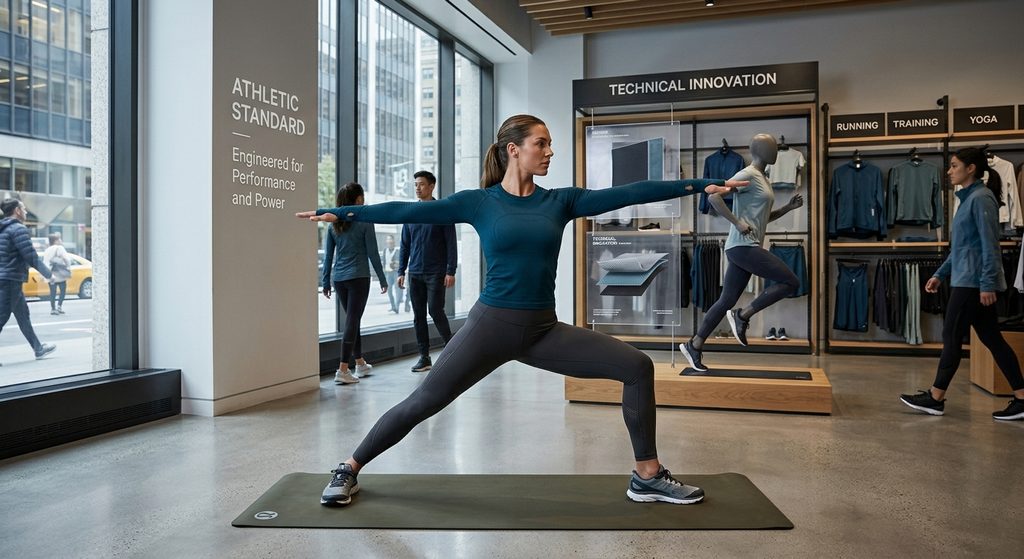
For over two decades, Lululemon Athletica reigned as the undisputed monarch of activewear. However, market share analytics reveal a noticeable shift in consumer dynamics. Challengers like Alo Yoga and Vuori have steadily carved out significant slices of the activewear pie, winning over younger, highly influential consumer cohorts.
The rivalry represents two distinct business philosophies:
Lululemon: The Athletic Standard
Lululemon built its empire on technical innovation, fabric development, and a suburban retail model focused primarily on runners, athletes, and traditional fitness enthusiasts. Its marketing historically emphasized athletic performance, personal growth, and functional utility.
Alo Yoga: The High-Fashion Cultural Zeitgeist
Alo, conversely, views clothing through the lens of modern culture, digital fashion, and aspirational luxury. Rather than anchoring itself strictly to physical athletic performance, Alo position itself as an all-encompassing aesthetic movement. It merges the technical quality of activewear with the scarcity-driven release model of streetwear brands like Supreme or Kith.
While Lululemon remains a massive commercial force, Alo Yoga has captured the cultural momentum. For Gen Z and fashion-conscious Millennials, wearing Alo is a deliberate fashion choice that signals high status, aesthetic awareness, and commitment to a holistic, balanced life.
Strategic Innovations Driving Growth
Behind the glamorous social media presence and celebrity endorsements lies a disciplined, technology-driven operational infrastructure.
High-Frequency Capsule Drops
Rather than relying solely on traditional seasonal releases (Spring/Summer and Fall/Winter), Alo utilizes an agile supply chain model featuring high-frequency, limited-edition color drops. Releases in vibrant neon shades, rich earth tones, or soft pastels create artificial scarcity and urgency. When a new drop goes live, consumers buy immediately to avoid missing out.
Advanced Inventory Intelligence

To support rapid product cycles without generating catastrophic overstock, Alo leverages artificial intelligence for demand forecasting and inventory tracking. By deploying AI-driven stock management across its global footprint, Alo significantly reduced abandoned sales and boosted store sales performance.
Global Localization Strategy
As Alo expands heavily across Europe, Asia, and the Middle East, it avoids copy-pasting an American retail blueprint. In markets like Beirut, Dubai, Tokyo, and Seoul, Alo adapts its store designs, colorways, and community events to reflect local cultural nuances, ensuring its luxury positioning translates globally.
Navigating Growing Pains and Industry Challenges
Alo Yoga’s meteoric growth trajectory has not been without hurdles. Rapid scaling brings immense scrutiny, particularly in an era where consumers demand absolute transparency from brands claiming high ethical standards.
          ┌─────────────────────────────────────────┐
          │     KEY CHALLENGES FOR ALO YOGA         │
          └────────────────────┬────────────────────┘
                               │
         ┌─────────────────────┼─────────────────────┐
         ▼                     ▼                     ▼
┌──────────────────┐  ┌──────────────────┐  ┌──────────────────┐
│ Regulatory & FTC │  │ Premium Price    │  │ Brand Equity &   │
│ Scrutiny         │  │ Pushback         │  │ Over-Saturation  │
└──────────────────┘  └──────────────────┘  └──────────────────┘
- Regulatory and FTC Scrutiny: As influencer seeding scales into tens of thousands of annual sponsored posts, maintaining strict adherence to advertising disclosures has become increasingly complex, drawing scrutiny from regulatory authorities regarding affiliate marketing disclosures.
- Pricing Sensitivity: With sports bras regularly priced over $70 and leggings hovering between $110 and $150, economic headwinds test consumer willingness to pay top-tier pricing for activewear.
- Brand Saturation Risks: The ultimate paradox for any high-fashion lifestyle brand is balancing mass commercial success with luxury exclusivity. As Alo becomes ubiquitous on city streets around the world, preserving its aspirational allure requires continuous design innovation.
The Playbook: Lessons for Modern Brands
Alo Yoga’s transformation from a local studio supplier to a $10 billion global empire yields a clear playbook for modern consumer brands attempting to scale in the digital age:
- Sell Identity, Not Commodities: Consumers do not buy Alo simply because they need pants for a yoga class; they buy Alo because they want to align with a healthy, sleek, and high-status lifestyle.
- Build an Ecosystem, Not a Store: By surrounding the consumer with physical sanctuaries, digital workout classes, clean beauty products, and casual footwear, Alo ensures it remains relevant throughout the entire day.
- Treat Retail as Content Creation: Physical stores should not be judged merely on inventory throughput per square foot. Every square inch of a store should be designed as a shareable, photo-worthy background that turns every customer into a brand promoter.
- Merge High Fashion with Utility: Functional apparel no longer needs to look utilitarian. Merging high-performance technical fabrics with trend-driven fashion silhouettes creates a powerful, high-margin category.
Conclusion: The Future of Athleisure Belongs to Culture
Alo Yoga’s success is far more than a temporary trend; it represents a fundamental redefinition of modern fashion. The line between workout clothes, street wear, luxury apparel, and everyday attire has permanently evaporated.
By placing mindfulness, high fashion, digital community, and experiential retail at the core of its business, Alo didn’t just join the activewear conversation—it rewrote the rules entirely. As the brand continues expanding its footprint across global fashion capitals, one thing is abundantly clear: Alo Yoga has successfully taken yoga off the mat and turned the whole world into its runway.
Frequently Asked Questions (FAQs)
What does the name “Alo Yoga” stand for?
Alo is an acronym for Air, Land, Ocean. The founders chose the name to reflect an eco-conscious philosophy and a commitment to protecting the environment through sustainable practices.
Who owns Alo Yoga?
Alo Yoga was founded in 2007 by childhood friends Danny Harris and Marco DeGeorge in Los Angeles. It operates as a privately held company under parent company Color Image Apparel.
How much is Alo Yoga worth?
In late 2023, Alo Yoga reportedly worked with investment advisors at a potential valuation of around $10 billion. The company has rapidly scaled past $1 billion in annual sales.
What makes Alo Yoga different from Lululemon?
While Lululemon focuses heavily on technical performance gear for traditional sports, Alo Yoga specializes in a “Studio-to-Street” lifestyle aesthetic. Alo blends high-performance activewear with high-fashion trends, street styling, limited-edition color drops, and an ecosystem that includes beauty, an app, and experiential retail cafes.
Who is the primary target audience for Alo Yoga?
Alo Yoga’s core demographic consists of Gen Z and Millennial consumers (aged 18–35), as well as affluent professionals. The target buyer values wellness, high-fashion styling, social media culture, and versatile performance clothing.
What are Alo Yoga’s most popular fabric lines?
Alo Yoga is best known for its proprietary performance fabrics:
- Airlift: A sleek, micro-sculpting, and lightweight fabric with a subtle sheen.
- Airbrush: A soft, cottony, sculpting fabric designed for support and smoothing.
- Vapor: Ultra-lightweight, moisture-wicking material built for high-heat performance.
Where are Alo Yoga products made?
Alo Yoga designs its collections at its headquarters in Los Angeles, California. Production takes place globally through sweatshop-free, eco-aware manufacturing partners that prioritize humane labor conditions and solar-powered facilities.
What is an Alo Sanctuary?
An Alo Sanctuary is the brand’s concept for physical retail stores. Rather than functioning solely as retail outlets, these flagships include organic matcha and coffee bars, high-end yoga and Pilates studios, community lounges, and wellness event spaces.