The Hidden Code of Yoga: Why Choosing the Wrong Type Might Be Holding You Back
The Hidden Code of Yoga: Why Choosing the Wrong Type Might Be Holding You Back
In a world driven by constant notifications, high stress, and sedentary desk jobs, millions of people flock to yoga studios every single day. They unroll sticky rubber mats, twist their bodies into intricate postures, and chant in ancient languages. To the casual observer, yoga looks like a simple combination of physical stretching and low-impact exercise.
Yet, many who try yoga for a few weeks walk away feeling either underwhelmed, exhausted, or completely disconnected. They wonder: Is this all there is to it? Why is everyone obsessed with this?
The answer lies in a single, well-kept secret: Yoga is not a one-size-fits-all exercise routine. It is an ancient multidimensional framework. Choosing the wrong style of yoga for your personality, energy levels, or current life stage is like trying to unlock a door with the wrong key.
When you align your specific needs with the correct style of yoga, something shifts. Stress dissolves, mental clarity sharpens, chronic pain subsides, and a sense of deep vitality emerges.
The diverse spectrum of traditional and modern yoga practices. Source: Ilya_Rocket / Getty Images
What Is Yoga? Beyond the Physical Postures
To understand yoga, we must strip away modern commercialism and look at its roots. The word “Yoga” derives from the Sanskrit root Yuj, which translates to “to yoke,” “to join,” or “to unite.”
At its core, yoga is the unification of individual consciousness with universal awareness. It is the harmonious alignment of mind, body, and breath. While Western culture primarily views yoga through the lens of physical postures (Asanas), physical movement is actually just one small limb of an eight-part philosophical system mapped out by the sage Patanjali in the ancient text, The Yoga Sutras.
The Eight Limbs of Classical Yoga
- Yama: Ethical standards and moral disciplines (non-violence, truthfulness).
- Niyama: Self-discipline and spiritual observances (cleanliness, contentment).
- Asana: Physical postures designed to strengthen the body for long periods of meditation.
- Pranayama: Conscious breath control to direct life-force energy (Prana).
- Pratyahara: Withdrawal of the senses from external distractions.
- Dharana: Intense mental concentration and focus.
- Dhyana: Uninterrupted flow of meditation.
- Samadhi: Ultimate liberation, bliss, and oneness with the universe.
When you practice yoga holistically, you aren’t just working out your muscles; you are retraining your nervous system, regulating your endocrine system, and mastering your inner psychological terrain.
The Master Map: 8 Distinct Types of Yoga Explained
Because human beings possess different temperaments, physical capabilities, and spiritual goals, yogic masters over centuries developed distinct paths. Below is a comprehensive breakdown of the primary types of yoga practiced today.
| Yoga Style | Pace & Intensity | Primary Focus | Best For |
|---|---|---|---|
| Hatha | Slow & Gentle | Foundational postures, breath alignment | Beginners, stress relief, alignment basics |
| Vinyasa | Fast & Dynamic | Continuous movement linked with breath | Weight loss, cardiovascular health, creative flow |
| Ashtanga | High Intensity | Fixed, rigorous sequence of heavy poses | Athletes, structured minds, building physical discipline |
| Iyengar | Slow & Precise | Anatomical alignment using props (blocks, straps) | Injury recovery, posture correction, precision seekers |
| Yin | Stationary & Deep | Passive floor stretches held for 3–5+ minutes | Joint mobility, flexibility, anxiety relief |
| Kundalini | Spiritual & Energetic | Chanting, breathwork (Kriyas), dynamic movement | Awakening internal energy, mental clarity, spiritual depth |
| Restorative | Ultra-Slow | Complete physical relaxation using bolsters/blankets | Chronic fatigue, burnout recovery, deep nervous system reset |
| Hot / Bikram | Intense in Heat (105∘F) | 26 specific poses performed in high humidity | Detoxification, deep muscle flushing, endurance training |
1. Hatha Yoga: The Foundational Pillar
If you step into a classic beginner class, chances are you are practicing Hatha. In Sanskrit, Ha means “sun” and Tha means “moon.” Hatha represents the balance of opposing forces—masculine and feminine, active and receptive, hot and cold.
Hatha yoga is practiced at a deliberate, slow pace. Practitioners hold individual poses for several breath cycles, allowing time to adjust physical alignment and build strength safely.
- Key Focus: Master foundational poses, establish body awareness, and regulate breath.
- Why Try It: It builds a safe foundation without overwhelming your cardiovascular system.
2. Vinyasa Flow: Meditation in Motion
Vinyasa is famous for its dynamic, fluid transitions. Unlike Hatha, where poses are held statically, Vinyasa connects movement directly to inhalation and exhalation. One pose flows seamlessly into the next, creating a dance-like rhythm often set to music.
The continuous movement raises your heart rate, providing an effective cardiovascular workout alongside muscular lengthening.
- Key Focus: Breath-synchronized movement, fluidity, and creative sequences.
- Why Try It: Excellent for people who find static meditation difficult and prefer active mental focus.
3. Ashtanga Yoga: The Rigorous Tradition
Popularized in the 20th century by K. Pattabhi Jois, Ashtanga is a demanding, highly disciplined style of yoga. It follows a rigid, unchanging sequence of postures categorized into six series.
In a traditional Ashtanga class, practitioners move through the exact same sequence every single time, using internal heat and powerful breath control (Ujjayi Pranayama) to purify the body.
- Key Focus: Discipline, routine, stamina, and deep physical heat.
- Why Try It: Perfect for athletes and structured individuals who thrive on measurable progress.
4. Iyengar Yoga: Precision and Anatomical Alignment
Founded by B.K.S. Iyengar, this style is renowned for its obsession with anatomical perfection. Rather than rushing through poses, Iyengar yoga breaks down every micro-adjustment of a posture.
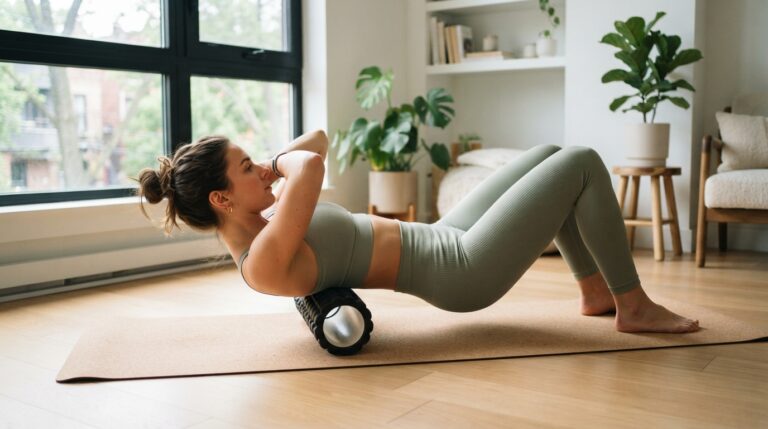
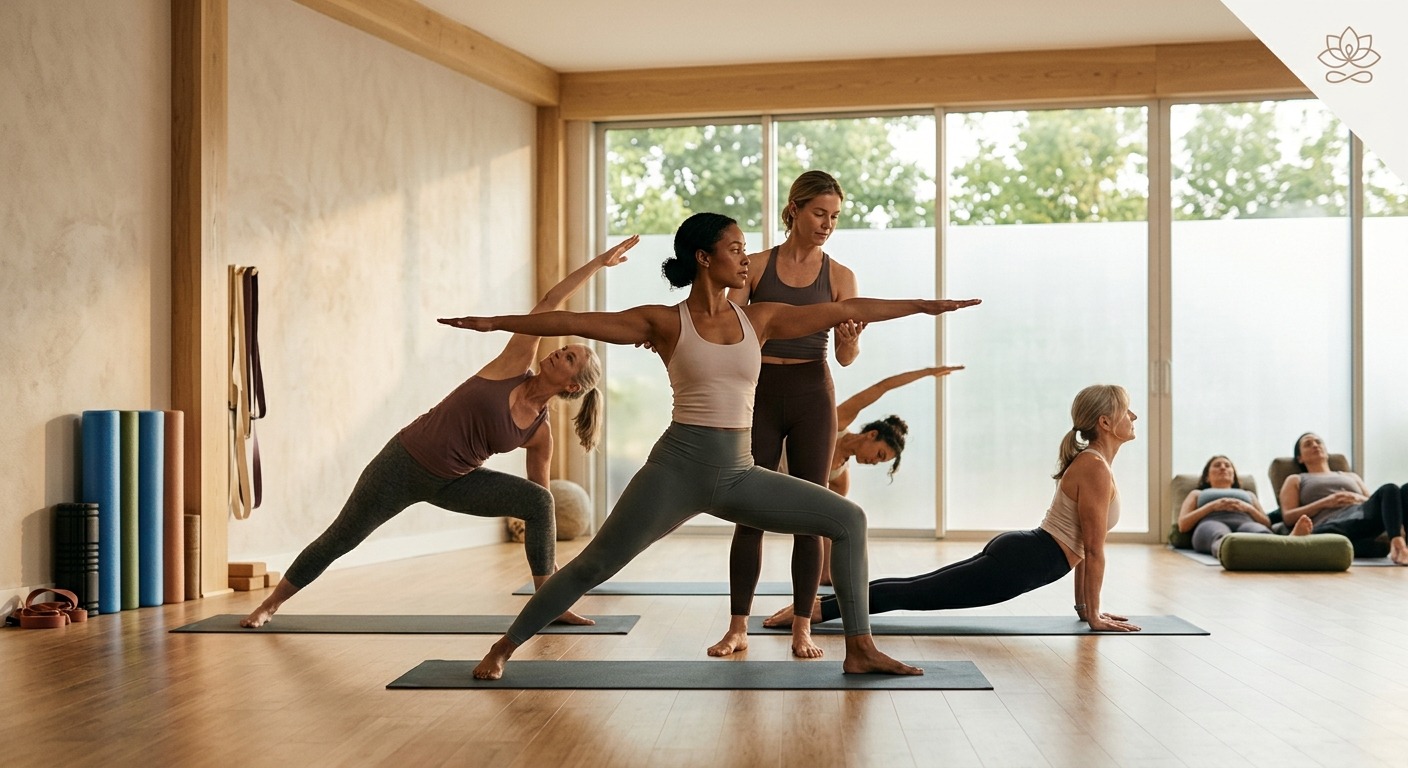
This style pioneered the use of props—such as yoga blocks, foam rollers, straps, chairs, and wall harnesses—allowing students of all physical abilities or physical limitations to achieve proper alignment safely.
Proper alignment in seated meditation poses is central to classical yoga. Source: Sergey7777 / Getty Images
- Key Focus: Micro-alignment, structural stability, and prop support.
- Why Try It: Ideal if you are recovering from an injury or suffer from posture-related chronic pain.
5. Yin Yoga: Reaching the Deep Connective Tissue
While most popular yoga styles focus on active muscles (Yang energy), Yin yoga targets the deeper, passive connective tissues of the body—the fascia, ligaments, tendons, and joint capsules.
In a Yin practice, poses are held passively on the floor for anywhere from 3 to 7 minutes. By relaxing the muscles and allowing gravity to exert soft pressure on joints, Yin releases deep-seated tension and triggers the body’s parasympathetic nervous system.
- Key Focus: Deep connective tissue release, joint mobility, and mental patience.
- Why Try It: Highly effective for releasing stored emotional trauma, improving flexibility, and balancing high-stress lifestyles.
6. Kundalini Yoga: Awakening the Dormant Energy
Kundalini is often described as the most spiritual and esoteric form of physical practice. It aims to awaken the Kundalini energy—a latent spiritual force conceptualized as a coiled serpent residing at the base of the spine.
Classes involve a combination of repetitive physical movements, specific hand gestures (Mudras), intense breath control (Pranayama), chanting (Mantras), and meditation.
- Key Focus: Chakras, nervous system activation, spiritual awakening, and mental resilience.
- Why Try It: Ideal if you are seeking a profound spiritual transformation rather than a basic physical workout.
7. Restorative Yoga: The Art of Doing Nothing
In our modern hyper-productive society, resting is often mistakenly viewed as laziness. Restorative yoga turns this concept upside down, treating rest as an active therapeutic practice.
During a Restorative session, you might only complete 4 to 5 poses over the course of an hour. Your body is entirely supported by blankets, bolsters, and eye pillows so that your muscles do not need to contract at all.
- Key Focus: Parasympathetic nervous system activation, zero-effort relaxation, and stress recovery.
- Why Try It: Crucial for people suffering from severe burnout, insomnia, anxiety, or adrenal fatigue.
8. Hot / Bikram Yoga: Detoxifying Under Heat
Bikram yoga consists of a strict 26-pose sequence performed in a room heated to 105∘F (40.6∘C) with 40% humidity. Broader “Hot Yoga” studios vary the pose sequence but retain the elevated temperature environment.
The intense ambient heat warms the muscles rapidly, allowing deeper stretches while inducing heavy sweating that clears metabolic waste.
- Key Focus: Flexibility under heat, stamina, mental grit, and circulation.
- Why Try It: Recommended for those who enjoy heavy physical challenges and sweat-inducing workouts.
Science-Backed Benefits of a Consistent Yoga Practice
Modern clinical research has validated what yogic scholars have taught for millennia. Regular yoga practice restructures brain pathways and alters biology in measurable ways:
- Neurological Rewiring: Functional MRI scans show that regular yoga increases gray matter density in the hippocampus (memory and emotional regulation) and shrinks the amygdala (the brain’s fear and stress center).
- Cortisol Reduction: Yoga reduces baseline levels of cortisol (the primary stress hormone), reducing systemic inflammation throughout the body.
- Vagus Nerve Stimulation: Deep yogic breathing stimulates the vagus nerve, immediately shifting the nervous system from “fight-or-flight” into “rest-and-digest.”
- Enhanced Joint Longevity: By moving joints through their full range of motion, yoga circulates synovial fluid, keeping cartilage healthy as you age.
How to Choose Your Ideal Yoga Match
If you are unsure where to begin, use this simple quick-reference guide based on your primary goal:
- Goal: Build physical strength and burn calories → Vinyasa Flow or Ashtanga
- Goal: Heal lower back pain or bad posture → Iyengar or Hatha
- Goal: De-stress after an exhausting workweek → Yin or Restorative
- Goal: Explore spirituality and breath control → Kundalini
- Goal: Sweat and push physical limits → Hot / Bikram Yoga
The Secret Key: Consistency Over Intensity
The ultimate secret of yoga is that it does not require you to twist yourself into a pretzel or spend two hours on the mat every day.
A gentle, 15-minute daily practice yields infinitely greater neurological and physical benefits than a grueling two-hour class once a month. Yoga is ultimately a practice of showing up for yourself—listening to your body’s subtle signals, calming your mind, and creating space for inner peace amid a busy world.
Unroll your mat, take a deep breath, and let your journey begin.
Want a personalized 7-day yoga routine based on your goals?Yes
Frequently Asked Questions (FAQs)
Q: Which type of yoga is best for complete beginners?
A: Hatha Yoga is generally considered the best starting point for complete beginners. Its slower pace and focus on static foundational poses allow newcomers to learn proper body alignment, build baseline flexibility, and practice conscious breathing without feeling rushed or overwhelmed.
Q: How often should I practice yoga to see noticeable results?
A: Consistency matters more than session length. Practicing for 15 to 20 minutes daily—or 3 to 4 full 60-minute classes per week—typically produces noticeable improvements in flexibility, stress reduction, and posture within 2 to 4 weeks.
Q: Can you lose weight by practicing yoga?
A: Yes. Dynamic and high-intensity styles like Vinyasa, Ashtanga, and Hot Yoga build muscle mass and burn calories directly. Additionally, gentler practices like Yin or Hatha lower stress hormones (cortisol), which helps reduce stress-induced fat retention and emotional eating.
Q: What is the main difference between Hatha and Vinyasa yoga?
A: The primary difference is the pace and style of movement:
- Hatha: Moves at a slower, deliberate pace where individual poses are held statically for several breath cycles.
- Vinyasa: Features continuous, dynamic movement where postures flow seamlessly into one another in sync with your breathing rhythm.
Q: Is yoga safe if I have an injury or back pain?
A: Yes, but style selection is crucial. Iyengar Yoga is specifically tailored for rehabilitation because it emphasizes precise anatomical alignment using supportive props like blocks and straps. Always consult a healthcare professional before starting, and inform your instructor about your injury before class.