The Dark Side of Puppy Yoga: Pure Therapeutic Bliss or Hidden Animal Exploitation?
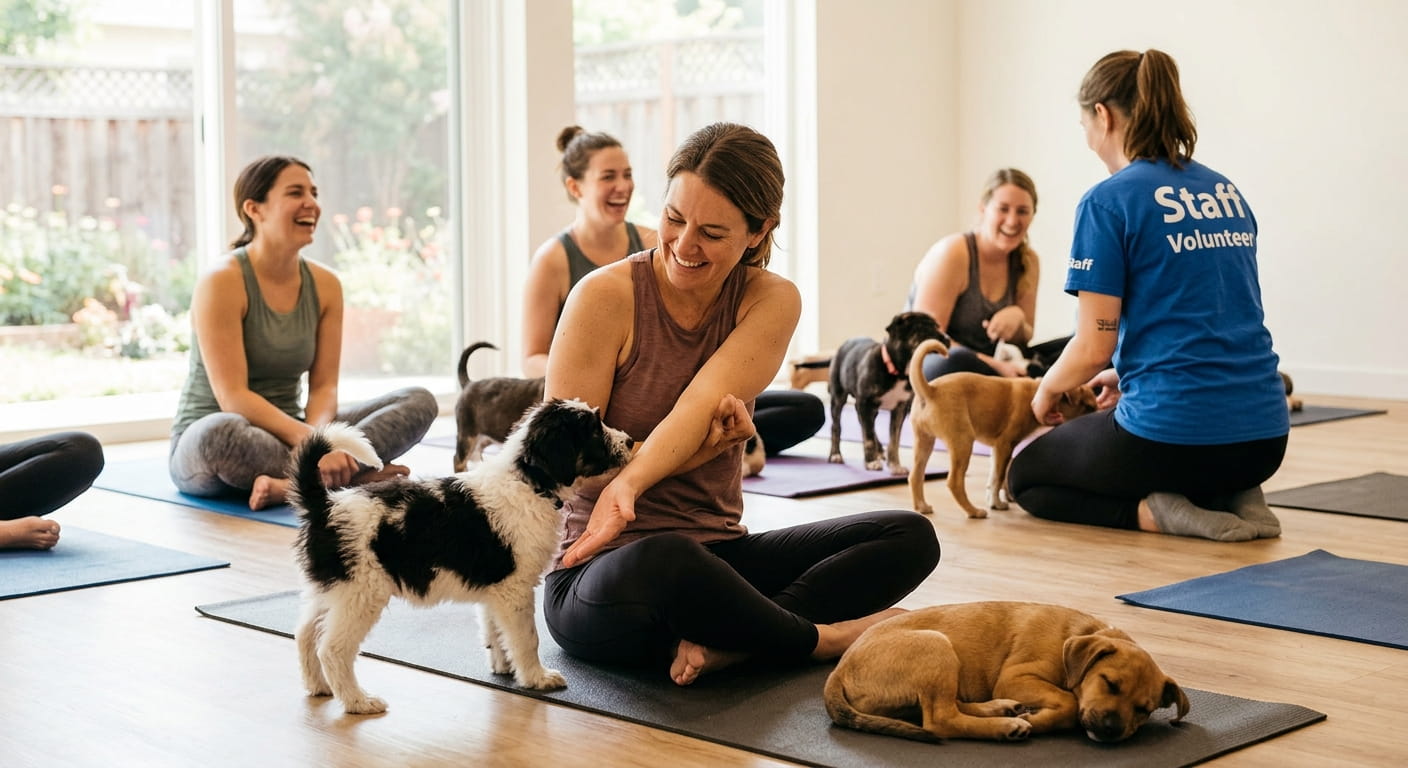
Scroll through any social media feed, and you will inevitably stumble upon viral clips of yoga studios filled with tiny, tumbling Golden Retrievers, French Bulldogs, or shelter litters. Participants laugh in mid-downward dog as a four-legged bundle of fur nibbles on their shoelaces or falls asleep on their yoga mat.
PUPPY YOGA
Puppy yoga has transformed from a niche viral trend into a massive, global wellness phenomenon. Studio sessions routinely sell out weeks in advance, drawing stress-fatigued city dwellers, influencer lifestyle creators, and animal lovers alike. The core promise seems irresistibly wholesome: combine the physical and mental benefits of yoga with the serotonin-boosting joy of playing with baby animals.
Beneath the adorable social media posts and warm fuzzy feelings lies a heated global debate. Is puppy yoga an innovative form of therapy that aids both human health and animal socialization, or is it an unregulated commercial machine profiting off vulnerable young pets?
What Exactly Is Puppy Yoga?
Puppy yoga blends low-intensity, beginner-friendly yoga classes with free-roaming puppies. Typically structured as a 45-to-60-minute session, the setup differs drastically from a traditional, disciplined yoga studio environment.
Rather than focusing strictly on precision, form, or spiritual meditation, instructors lead gentle stretches designed to keep participants close to the floor—in poses like child’s pose, cobra, or seated forward folds—maximizing their proximity to the floor-dwelling puppies.
During the class, a litter of young puppies (usually ranging between 8 and 16 weeks old) moves freely around the room, interacting with participants, climbing over mats, and offering affectionate distractions. Most classes allocate dedicated blocks of time at the end specifically for uninterrupted cuddles, photo opportunities, and play.
The Human Perspective: The Biological Science of Serotonin and Stretches
It is no secret why puppy yoga classes are packed. The combination of physical movement and animal interaction triggers a double-hit of beneficial psychological and physiological responses.
1. Neurochemical Stress Reduction
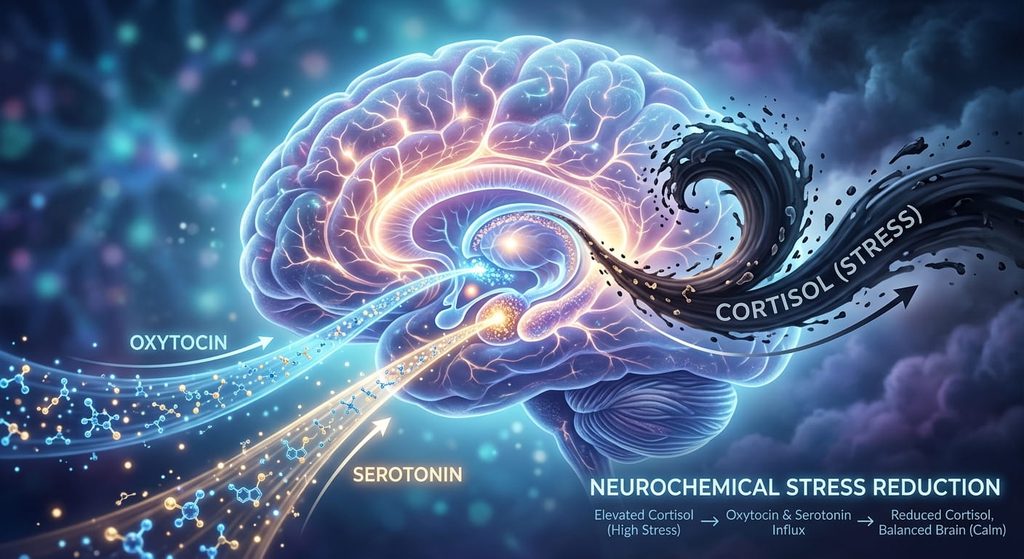
Scientific research into Animal-Assisted Therapy (AAT) consistently demonstrates that interacting with affectionate animals alters human blood chemistry. Spending as little as 15 to 20 minutes with a friendly dog reduces levels of cortisol (the body’s primary stress hormone) while triggering a surge in oxytocin, serotonin, and dopamine—the neurochemicals responsible for feelings of empathy, trust, and happiness.
2. Lowering the Barrier to Entry for Wellness
Traditional yoga studios can feel intimidating for beginners. Concerns over flexibility, proper form, or quiet studio etiquette often prevent people from trying yoga. The playful, unpredictable nature of puppies removes this performance anxiety. When a puppy steals someone’s water bottle or falls asleep mid-pose, the room bursts into laughter, breaking down social barriers and instantly shifting the nervous system into a relaxed state.
3. Relief from Digital Fatigue and Loneliness
In an increasingly digital, isolated society, human beings suffer from touch deprivation and mental fatigue. Puppy yoga offers tactile, grounding joy that forces participants into the present moment—making it nearly impossible to check emails or ruminate on work anxiety when a puppy is actively licking your face.
The Animal Perspective: Mutual Benefit or Unseen Harm?
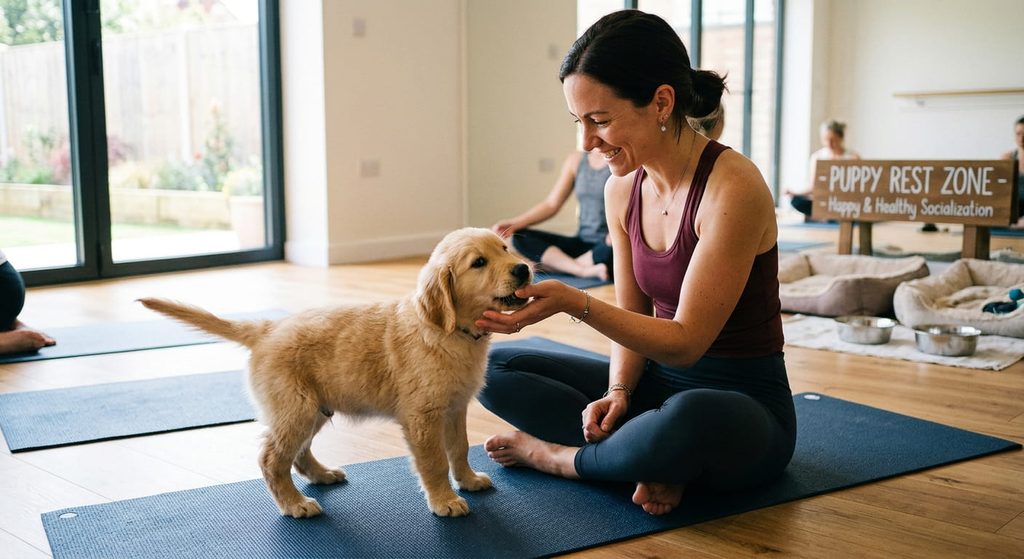
Proponents of puppy yoga argue that the benefits extend equally to the canine participants. Early developmental socialization is critical for young dogs. Between 8 and 16 weeks of age, puppies enter a crucial developmental window where positive exposure to diverse humans, novel scents, and varied environments helps build confidence, preventing fear-based aggression or separation anxiety later in life.
Furthermore, when studios partner directly with local shelters and animal rescues, puppy yoga serves as a powerful adoption platform. It introduces adoptable litters to potential families in a warm, interactive environment, dramatically speeding up adoption rates and raising crucial funding for shelter operations.
However, animal welfare specialists, veterinary organizations, and behavior experts warn that without strict oversight, the reality for the puppies can be far less utopian.
The Hidden Risks to Puppy Health & Behavioral Development
| Risk Factor | Impact on Puppy Health & Behavior |
| Overstimulation & Sleep Deprivation | Puppies require 18 to 20 hours of sleep per day for healthy brain development and immune function. Constant noise, handling, and waking up sleeping puppies causes chronic distress. |
| Incomplete Vaccination Status | Puppies under 12–16 weeks haven’t completed their full core vaccination series (e.g., parvovirus, distemper). Exposing them to unfamiliar studio floors and multiple human shoes creates disease transmission risks. |
| Forced Interaction & Stress | Being picked up repeatedly, passed between strangers, or restrained for selfies without an escape route can teach a puppy that humans are overwhelming, leading to handling aversion or fear-biting. |
| Physical Exhaustion & Overheating | Yoga studios are often heated for human comfort. Young puppies struggle to regulate body temperature and can quickly suffer from dehydration or heat exhaustion in crowded, warm rooms. |
Undercover investigative reports in recent years exposed instances where commercial operators ran back-to-back sessions with the same litters for hours, restricted water access to prevent studio urination, and sourced litters from unethical backyard breeders. Because the wellness industry remains largely unregulated regarding live animal entertainment in many regions, standards vary wildly between operators.
The Ultimate Checklist: How to Identify Ethical Puppy Yoga
If you love animals and want to experience the mental health benefits of puppy yoga, it is essential to vote with your wallet and support only ethical, welfare-first operators. Before booking a spot, use this evaluation framework to separate responsible organizers from commercial exploiters:
1. Transparency on Puppy Sourcing
- Ethical Indicator: The studio openly advertises its official partnership with a registered, verifiable local animal shelter, rescue group, or licensed humane organization.
- Red Flag: The studio is vague about where the puppies come from, sources litters repeatedly from private breeders, or refuses to answer direct questions about puppy ownership.
2. Cap on Class Frequency and Working Hours
- Ethical Indicator: Puppies participate in no more than one short session per day (30–45 minutes max), with strict limits on total weekly involvement.
- Red Flag: The studio hosts back-to-back classes with the same litter throughout the weekend or keeps puppies on site for entire afternoons.
3. Dedicated Rest Zones & Free Will Movement
- Ethical Indicator: The studio features a quiet, fenced-off “playpen zone” equipped with fresh water, bedding, and toys. Puppies are free to retreat to this area at any time, and attendees are strictly forbidden from touching or waking sleeping puppies.
- Red Flag: Puppies are forced to stay in the main room, picked up against their visible discomfort, or repeatedly woken up for photo ops.
4. Trained Welfare Staff on the Floor
- Ethical Indicator: Multiple dedicated animal handlers or shelter volunteers are present in the room solely to monitor puppy body language, manage water needs, and guide human-animal interactions.
- Red Flag: The yoga instructor is the only staff member present, attempting to teach a full class while simultaneously overseeing animal safety.
5. Clear Attendee Rules & Hygiene Protocols
- Ethical Indicator: Attendees are required to sanitize their hands and shoes upon entry, read handling rules, and follow staff directions implicitly.
- Red Flag: No sanitation measures exist, and participants are allowed to lift puppies high off the ground, posing serious fall risks.
What to Expect During Your First Ethical Session
If you choose to attend an ethically run class, knowing what to expect ensures a safe, enjoyable experience for both you and the dogs.
Arrival & Sanitation
You will typically arrive 15 minutes before the start time to remove shoes, sanitize your hands, and review safety guidelines with the animal care staff. You will be asked to sit on provided studio mats rather than bringing personal, high-end gear that could be chewed or scratched.
The Flow
Classes generally open with a short introduction by the rescue partner explaining the background of the puppies, their age, vaccination status, and adoption eligibility. The instructor leads a gentle, grounded stretch routine for 20 to 30 minutes while the puppies explore at their own pace. Expect frequent interruptions: a puppy might wander onto your lap, chew your hair tie, or play-wrestle on the mat next to you.
Socialization & Adoption Focus
The final 15 to 20 minutes shift into unstructured play and socialization. Staff monitor interactions, ensuring puppies are approached gently. If you fall in love with a rescue puppy, staff provide adoption applications on the spot, turning a fun weekend activity into a life-changing moment for a homeless pet.
The Future of Animal-Assisted Wellness
Puppy yoga represents a pivotal moment in the modern wellness landscape. It reflects a growing desire for fitness routines that prioritize mental health, emotional warmth, and authentic joy over rigid physical performance.
However, as consumers, our desire for therapeutic comfort must never outpace our duty of care to the animals involved. By demanding strict ethical standards, supporting transparent shelter partnerships, and prioritizing animal welfare over social media aesthetic value, we can protect the well-being of these vulnerable baby animals while enjoying the therapeutic magic they bring into our lives.
Puppy yoga done right is not a viral commodity—it is a celebration of human-animal connection, joyful movement, and life-saving rescue advocacy.
FAQs
Q1: Is puppy yoga good for puppies?
Yes, but only under strict ethical conditions. Early socialization helps young dogs build confidence around humans and new environments, which prevents fear and aggression later in life. However, sessions must prioritize the animals’ health by limiting working hours, guaranteeing access to fresh water, enforcing mandatory nap breaks, and ensuring complete vaccination protection.
Q2: How old are the dogs used in puppy yoga?
Most studios feature puppies between 8 and 16 weeks old. This coincides with a crucial developmental window for canine socialization, though responsible operators ensure the puppies are healthy and adequately vaccinated before introducing them to public settings.
Q3: Are the puppies in puppy yoga classes up for adoption?
Many ethical studios partner directly with local animal rescues and shelters to feature adoptable litters. In these setups, participants can submit adoption applications on-site, turning the fitness session into an active rehoming opportunity. Always check with the specific studio to confirm if their dogs are from a shelter rescue program.
Q4: What should I wear and bring to a puppy yoga session?
- Clothing: Comfortable, flexible activewear that you do not mind getting slightly dirty, snagged, or drooled on. Avoid expensive, delicate fabrics or loose drawstrings that puppies might chew.
- Gear: Most studios supply their own sanitized yoga mats to protect personal gear and prevent cross-contamination. Bring a reusable water bottle with a secure cap.
Q5: How do I know if a puppy yoga studio is ethical?
Look for these key indicators before booking a class:
- Transparent Sourcing: Clear partnerships with verified, non-profit animal rescues or shelters rather than private or unverified breeders.
- Rest & Water Access: A dedicated, off-limits “Puppy Rest Zone” with water bowls where sleeping or resting puppies are left completely undisturbed.
- Restricted Hours: Strict caps on total working time (typically max 30–45 minutes per day for any single litter).
- Dedicated Welfare Staff: Trained animal handlers or volunteers present on the floor whose sole focus is monitoring puppy stress and safety.