
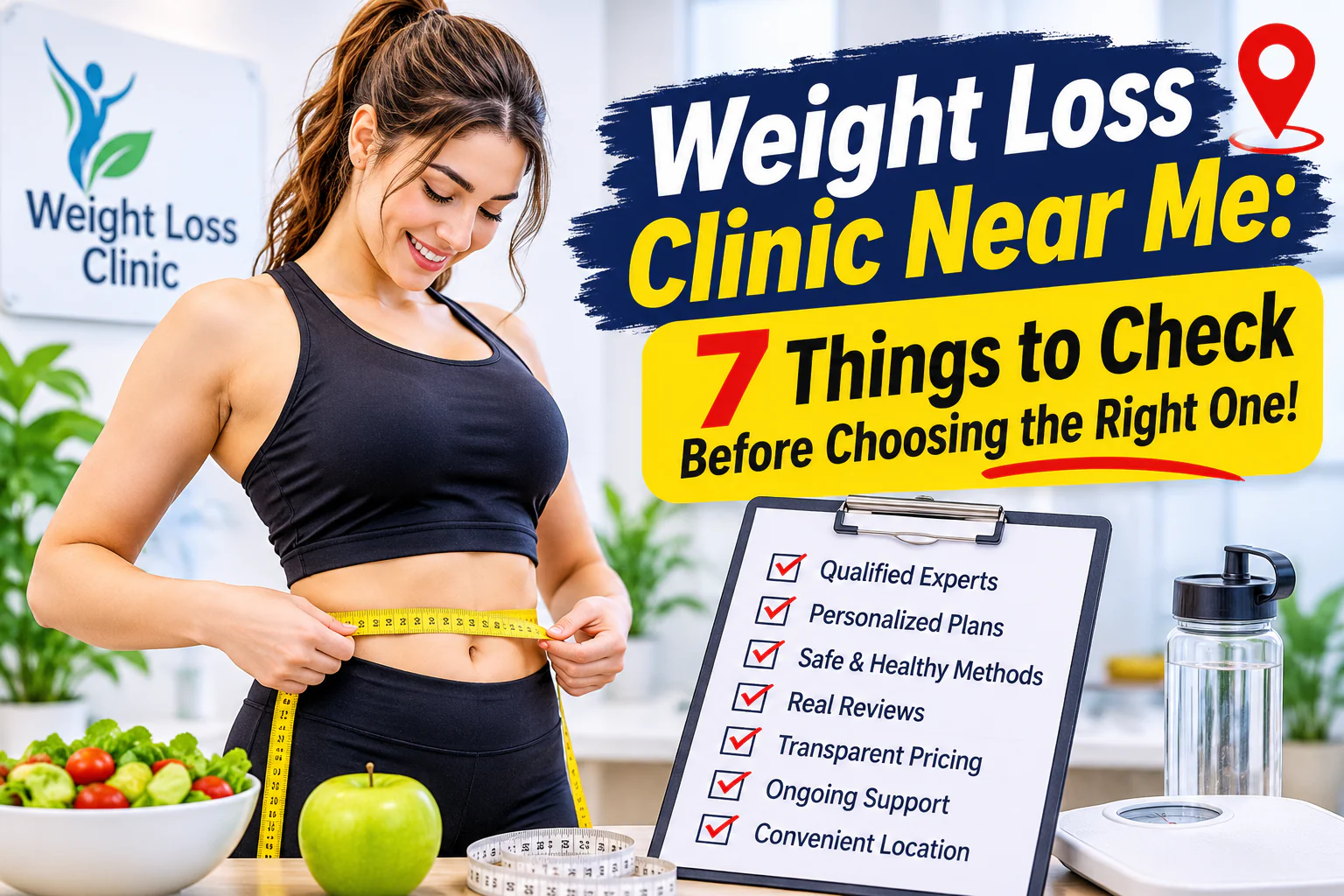
Weight Loss Clinic Near Me: 7 Things to Check Before Choosing the Right One!
Losing weight can feel like a long journey, especially when diets, workout routines, and online weight loss trends don’t deliver the results you expected. You may start with excitement, follow a strict eating plan for a few weeks, and then find it difficult to maintain your progress.
That’s why many people search online for a weight loss clinic near me. A professional weight management clinic may offer something that ordinary diet plans cannot: personalized guidance, medical supervision, and support based on your individual needs.
But here’s something worth knowing: not every weight loss clinic offers the same quality of care. Some focus on nutrition and lifestyle coaching, while others provide medical evaluations and prescription-based treatments when appropriate.
Before booking your first appointment, let’s explore what a good clinic should offer and how to find one that supports your long-term health.
1. What Is a Weight Loss Clinic?
A weight loss clinic is a healthcare or wellness facility that helps people manage their weight through structured programs and professional guidance.
Depending on the clinic, services may include:
- Medical weight management consultations.
- Personalized nutrition and meal planning.
- Fitness and physical activity recommendations.
- Behavioral counseling and lifestyle coaching.
- Medical monitoring and follow-up appointments.
- Evaluation of prescription weight-loss treatments when appropriate.
Some clinics are operated by doctors specializing in obesity medicine, while others work with dietitians, nutritionists, and fitness professionals.
The main purpose is to understand why losing weight may be difficult for you and develop a realistic plan that fits your lifestyle.
A good clinic should focus on your overall health rather than simply promising a smaller number on the scale.
2. How to Find the Best Weight Loss Clinic Near Me

Searching for a weight loss clinic near me can bring up dozens of options. However, choosing the first clinic you see online isn’t always the best decision.
Here are a few practical ways to find a suitable provider.
Check professional qualifications: Look for clinics with qualified healthcare professionals, registered dietitians, or appropriately licensed practitioners.
Read patient reviews: Reviews can help you understand communication, appointment experiences, and the quality of support. Remember that online testimonials do not guarantee medical results.
Compare available services: Some clinics offer nutrition counseling, while others provide medical evaluations and supervised treatment options.
Check location and accessibility: Consider travel time, appointment availability, parking, and whether virtual consultations are available.
Ask about personalized care: Your weight management plan should consider your health history, lifestyle, preferences, and personal goals.
The right clinic should make you feel comfortable asking questions instead of pressuring you into buying an expensive package.
3. What Services Should a Professional Weight Loss Clinic Offer?

Not every person needs the same weight loss treatment. That’s why professional clinics often offer different services depending on individual circumstances.
Some common services include:
Medical Evaluation
A healthcare professional may review your health history, current medications, weight-related concerns, and other relevant health factors.
Nutrition Counseling
A dietitian can help develop a balanced eating plan that includes foods you enjoy and fits your daily routine.
Fitness Guidance
Exercise recommendations may include walking, strength training, cycling, or other activities suited to your fitness level.
Behavioral Support
Stress, emotional eating, sleep habits, and daily routines can influence weight management. Counseling may help you develop healthier habits.
Medical Weight Loss Treatments
Some patients may qualify for prescription weight-management medication or other medical interventions. These options require an individual assessment and professional monitoring.
A comprehensive program should combine appropriate guidance with regular follow-up rather than relying on one treatment alone. NIDDK+1
4. How Much Does a Weight Loss Clinic Cost?

Cost is one of the biggest concerns when searching for a weight loss clinic near me.
Unfortunately, there isn’t one standard price because clinics offer different services and treatment packages.
Your total expenses may depend on:
- Initial consultation fees.
- Follow-up appointments.
- Nutrition and fitness counseling.
- Laboratory tests or health assessments.
- Prescription medications, if prescribed.
- Additional treatments or procedures.
Some clinics offer monthly memberships, while others charge separately for each appointment.
Before signing up, ask for a complete price breakdown. Find out whether follow-up consultations, medical tests, and treatment costs are included.
It is also worth checking whether your health insurance covers any part of the program.
Remember, the most expensive clinic isn’t necessarily the best. Look for qualified professionals, transparent pricing, and a program that prioritizes your health.
5. Are Medical Weight Loss Programs Better Than Regular Diet Plans?

Many people wonder whether visiting a medical weight loss clinic is better than following a diet plan at home.
The answer depends on your circumstances.
A regular diet plan may be suitable for someone who needs basic nutrition guidance and wants to improve everyday eating habits.
However, a medical weight management program may provide additional support for people experiencing obesity, weight-related health concerns, or repeated difficulties maintaining weight loss.
Medical programs can include:
- Individual health assessments.
- Professionally supervised treatment.
- Personalized nutrition recommendations.
- Medication evaluation when appropriate.
- Long-term weight maintenance support.
A major advantage of professional guidance is that your plan can be adjusted as your needs change.
According to the National Institute of Diabetes and Digestive and Kidney Diseases, successful weight-loss programs should include healthy eating guidance, physical activity, behavioral support, and a strategy for maintaining results. NIDDK+1
6. Warning Signs to Watch for Before Joining a Weight Loss Clinic

This is perhaps the most important part of choosing a weight loss clinic.
Some programs advertise unrealistic results to attract customers. Before spending money, watch out for these warning signs.
Guaranteed rapid results: Be cautious of clinics promising dramatic weight loss within a few days or weeks.
Unqualified staff: Check whether medical treatments are supervised by appropriately qualified healthcare professionals.
Hidden charges: Avoid signing agreements without understanding the complete cost.
Pressure to purchase products: A clinic should explain the purpose, benefits, risks, and costs of any recommended products or treatments.
No health assessment: Medical weight management should take your health history and individual needs into account.
No long-term support: Weight maintenance matters just as much as losing weight.
The NIDDK recommends avoiding programs that make unrealistic promises, such as losing large amounts of weight in an unusually short period. NIDDK
7. What Happens During Your First Weight Loss Clinic Appointment?

Although every clinic follows its own process, an initial consultation may include:
- Health history: The provider asks about your medical background, medications, and previous weight-loss attempts.
- Body measurements: Your weight, height, and possibly BMI may be assessed.
- Lifestyle discussion: You may discuss your eating habits, activity levels, sleep, and daily routine.
- Personalized recommendations: The provider explains suitable options based on your individual needs.
- Follow-up planning: You may schedule future appointments to monitor progress and make adjustments.
You should feel comfortable discussing your concerns openly. A professional provider should explain available options, possible risks, and realistic expectations before recommending treatment.
8. How to Maintain Your Weight Loss Results Long-Term

Losing weight is only one part of the journey. Maintaining your progress requires healthy habits that you can continue over time.
Here are some simple habits that can make a difference:
- Choose balanced meals with vegetables, protein, fruits, and whole grains.
- Stay physically active with exercises you enjoy.
- Drink enough water throughout the day.
- Prioritize quality sleep.
- Manage stress through relaxing activities.
- Attend recommended follow-up appointments.
- Avoid extreme diets and unrealistic weight-loss expectations.
A good weight management clinic should help you develop habits that remain practical even after your formal program ends.
The CDC highlights healthy eating, regular physical activity, adequate sleep, and stress management as important parts of healthy weight management. CDC+1
Final Thoughts: Is a Weight Loss Clinic Near Me Worth It?
Finding the right weight loss clinic near me can be an important first step toward improving your health and developing sustainable habits.
However, choosing a clinic requires more than comparing prices or reading attractive advertisements. Look for qualified professionals, personalized treatment plans, transparent costs, and ongoing support.
Remember that healthy weight management is not about achieving overnight results. It is about understanding your body, making realistic changes, and finding an approach that works with your lifestyle.
Before starting any medical weight-loss treatment, consult a qualified healthcare professional to understand which options are appropriate for you.
Your journey should focus on better health, confidence, and long-term well-being—not just the number on the scale.
Frequently Asked Questions (FAQs)
1. How do I find a good weight loss clinic near me?
Search for local clinics, check professional qualifications, read patient reviews, compare services, and ask about personalized treatment plans before booking.
2. How much does a weight loss clinic cost?
Costs vary depending on consultations, medical assessments, nutrition counseling, medications, and treatment options. Always request a complete price breakdown.
3. Do weight loss clinics prescribe medication?
Some medically supervised clinics may prescribe weight-loss medication when a patient meets the appropriate medical criteria. A healthcare professional must evaluate the benefits and risks.
4. How long does a weight loss program take?
It depends on your health, personal goals, and chosen treatment plan. Many programs involve several months of guidance followed by ongoing weight maintenance support.
5. Are weight loss clinics safe?
A clinic with appropriately qualified professionals, individualized assessments, evidence-based treatments, and regular monitoring can provide safer weight management support. Avoid clinics promising guaranteed or extremely rapid results.