GLP-1 Weight Loss: The Secret Behind These Powerful Weight-Loss Medications
Introduction: Why Is Everyone Talking About GLP-1 Weight Loss?
Losing weight is not always as simple as eating less and exercising more. Many people struggle with constant hunger, food cravings, emotional eating, and difficulty maintaining a healthy weight, even when they make consistent lifestyle changes.
In recent years, GLP-1 medications have attracted significant attention because they offer a different approach to weight management. These medications work with the body’s natural hormone signals to help regulate appetite, manage hunger, and support weight loss.
But what makes GLP-1 medications different from traditional weight-loss methods? Are they safe? And can they really help people achieve long-term results?
Understanding how these medications work can help you make informed decisions before considering them.
What Is GLP-1 and How Does It Work?

GLP-1 stands for glucagon-like peptide-1. It is a natural hormone produced in the intestine after eating.
This hormone plays an important role in regulating blood sugar and appetite. It communicates with different parts of the body, including the brain and digestive system.
GLP-1 medications are designed to imitate or activate the effects of this natural hormone. They can help:
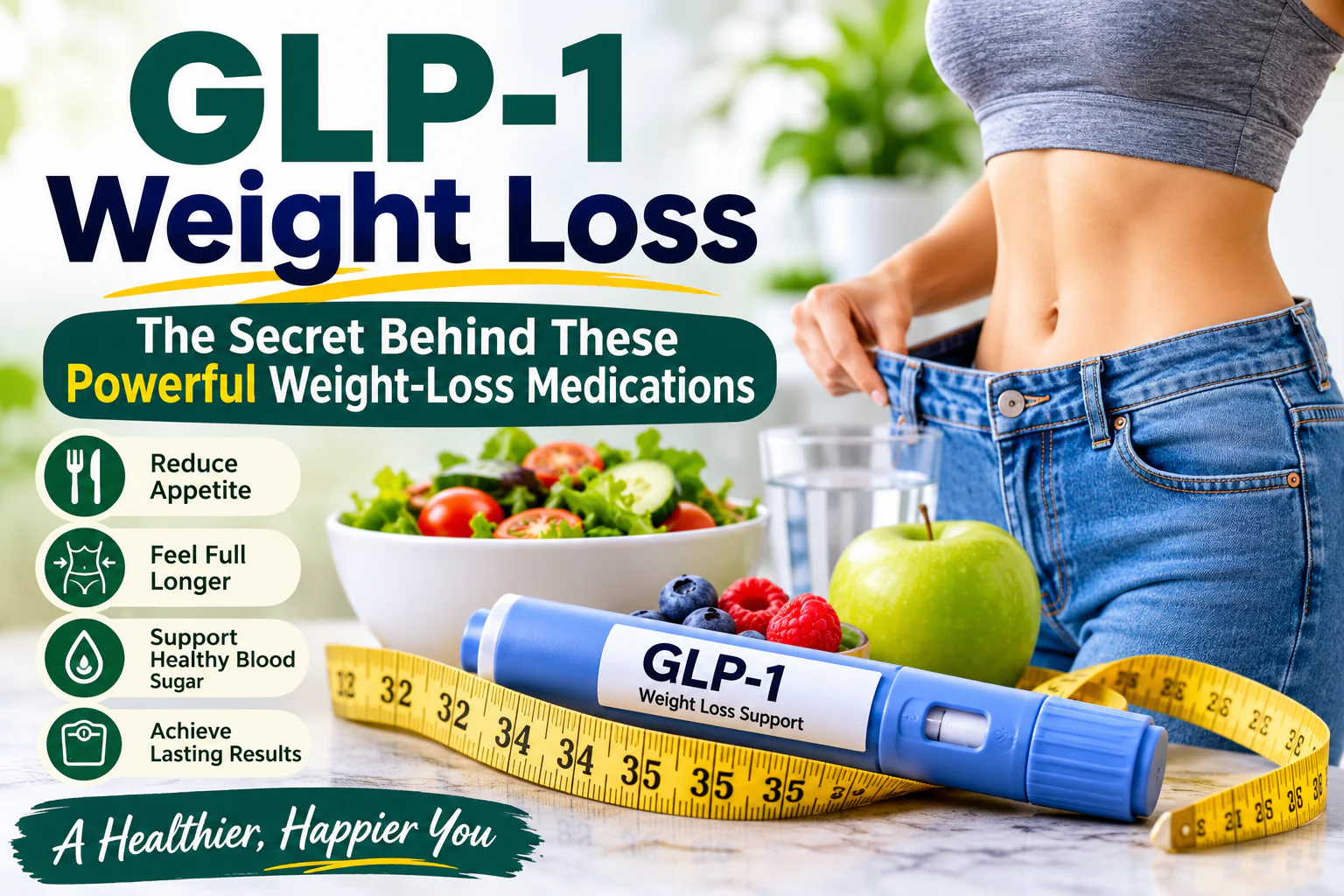
- Reduce appetite and hunger.
- Increase feelings of fullness after meals.
- Slow stomach emptying, particularly with some medications.
- Support blood sugar regulation.
- Make it easier for some people to reduce their calorie intake.
Because these effects influence hunger and fullness, GLP-1 medications can support weight management in eligible individuals.
How Do GLP-1 Medications Help With Weight Los

One of the biggest challenges in losing weight is managing hunger. Some people feel hungry shortly after eating or experience strong cravings throughout the day.
GLP-1 medications target some of these challenges.
1. They Help Control Appetite
GLP-1 medications act on appetite-regulating pathways in the brain. This may reduce the desire to eat and help people feel satisfied with smaller portions.
2. They Increase Fullness
These medications can slow gastric emptying, meaning food may remain in the stomach longer. This can help some people feel full for an extended period.
3. They Support Better Eating Habits
When hunger and cravings become easier to manage, some people find it simpler to follow balanced eating patterns and maintain a calorie deficit.
However, medication alone does not guarantee weight loss. Nutrition, physical activity, sleep, and ongoing medical support remain important.
Popular GLP-1 Medications Used for Weight Loss

Several prescription medications work through GLP-1 pathways. However, they are not all approved for exactly the same purpose.
Here are some commonly discussed options:
| Medication | Main information |
|---|---|
| Wegovy | Semaglutide approved for chronic weight management in eligible patients |
| Ozempic | Semaglutide primarily approved for type 2 diabetes |
| Saxenda | Liraglutide approved for weight management |
| Zepbound | Tirzepatide acts on both GIP and GLP-1 receptors |
An important distinction is that Ozempic and Wegovy contain the same active ingredient, semaglutide, but have different approved uses and dosing. Similarly, Mounjaro and Zepbound contain tirzepatide but have different approved indications.
These medications should not be treated as interchangeable. Their suitability depends on individual health needs and local regulatory approvals. NIDDK+2
Who May Be Eligible for GLP-1 Weight Loss Treatment?

GLP-1 weight-loss medications are generally intended for people who meet specific medical criteria.
For example, US prescribing guidance commonly considers weight-management medication for adults with:
- A BMI of 30 or higher.
- A BMI of 27 or higher with a weight-related health condition, such as high blood pressure or type 2 diabetes.
However, eligibility varies depending on the medication, country, medical history, and individual circumstances.
A healthcare professional may review your BMI, existing health conditions, medications, family history, and previous weight-loss attempts before recommending treatment.
These medications are not designed simply for people who want to lose a few pounds for cosmetic reasons. NIDDK+1
Potential Benefits of GLP-1 Weight Loss Medications
When prescribed appropriately and combined with lifestyle changes, GLP-1 medications may offer several benefits.
1. Reduced Hunger: They can help manage appetite and reduce frequent hunger signals.
2. Improved Blood Sugar Control: Certain GLP-1 medications help regulate blood glucose, particularly in people with type 2 diabetes.
3. Support for Long-Term Weight Management: Some patients achieve meaningful weight reduction and improvements in weight-related health conditions.
4. Better Portion Awareness: Feeling full sooner may make it easier to develop balanced eating habits.
Research shows that prescription weight-management medications can help people lose additional weight compared with lifestyle changes alone. However, individual results differ significantly. NIDDK+1
GLP-1 Side Effects: What Should You Know?

Although GLP-1 medications can be effective, they are not free from side effects.
Some common side effects include:
- Nausea
- Vomiting
- Diarrhea
- Constipation
- Stomach discomfort
- Bloating
- Reduced appetite
These symptoms are often more noticeable when beginning treatment or increasing the dose.
There are also less common but potentially serious risks, including pancreatitis, gallbladder problems, dehydration-related kidney problems, and severe gastrointestinal reactions.
Some medications carry important thyroid tumor warnings and should not be used by people with certain personal or family medical histories.
Severe or persistent abdominal pain, repeated vomiting, or symptoms of an allergic reaction require prompt medical attention.
Never increase your dose or combine weight-loss medications without medical advice. NIDDK+2
What Should You Eat While Taking GLP-1 Medication?

Food choices remain important during GLP-1 treatment. Eating nutritious meals can help support overall health while your appetite changes.
Consider including:
- Protein: Eggs, fish, chicken, beans, and Greek yogurt.
- Fiber: Oats, vegetables, fruits, lentils, and whole grains.
- Healthy Fats: Avocados, olive oil, nuts, and seeds.
- Hydration: Drink enough water throughout the day.
Smaller, balanced meals may be easier to tolerate, especially if you experience nausea or early fullness.
Try to avoid very large meals and foods that trigger digestive discomfort. If you struggle to eat enough or experience ongoing digestive problems, ask a registered dietitian or healthcare professional for guidance.
Can You Maintain Weight Loss After Stopping GLP-1?

This is one of the most important questions people ask before starting GLP-1 treatment.
The answer is that maintaining weight loss after stopping medication can be challenging.
Some people regain weight because appetite and hunger signals may return after treatment ends. The body may also adapt to weight loss by increasing hunger.
That is why healthcare professionals often treat obesity as a long-term health condition rather than a short-term problem.
Building sustainable habits, eating balanced meals, staying physically active, and following up with your healthcare provider can help support long-term weight management.
Do not stop treatment without discussing a plan with your healthcare professional. NIDDK+1
Is GLP-1 Weight Loss Right for Everyone?
No. GLP-1 medications are not suitable for everyone.

People who are pregnant, planning pregnancy, or breastfeeding should discuss appropriate weight-management options with their healthcare provider. Certain medical conditions and medication interactions may also make treatment unsuitable.
It is also important to avoid buying weight-loss injections from unverified online sellers or using products marketed as research chemicals.
A proper medical assessment is essential before starting treatment.
Conclusion: Is GLP-1 the Future of Weight Loss?
GLP-1 weight loss medications have changed the conversation around obesity and weight management. By influencing appetite, fullness, and blood sugar regulation, they offer an additional treatment option for people who meet medical eligibility requirements.
However, they are not magic solutions. Healthy nutrition, physical activity, medical supervision, and sustainable lifestyle changes remain essential.
Before considering GLP-1 treatment, speak with a qualified healthcare professional to understand the potential benefits, risks, and long-term commitment.
The best weight-loss journey is not simply about reaching a lower number on the scale. It is about building healthier habits and improving your overall well-being.
SEO FAQs: GLP-1 Weight Loss
1. How does GLP-1 help with weight loss?
GLP-1 medications mimic natural hormone activity, helping regulate appetite, increase fullness, and reduce food intake.
2. How quickly do GLP-1 medications work?
Results vary between individuals. Some people notice appetite changes early, while meaningful weight changes generally take longer and depend on treatment and lifestyle.
3. Which GLP-1 medication is commonly used for weight loss?
Semaglutide (Wegovy) and liraglutide (Saxenda) are GLP-1 medications approved for weight management in certain patients. Tirzepatide (Zepbound) works on both GIP and GLP-1 receptors.
4. Can you regain weight after stopping GLP-1 medication?
Yes. Weight regain is possible because appetite may increase after stopping treatment. Long-term weight-management support is important.
5. Are GLP-1 weight-loss injections safe?
They can be appropriate for eligible patients when prescribed and monitored by healthcare professionals. However, they have potential side effects and serious risks that should be discussed before treatment.