
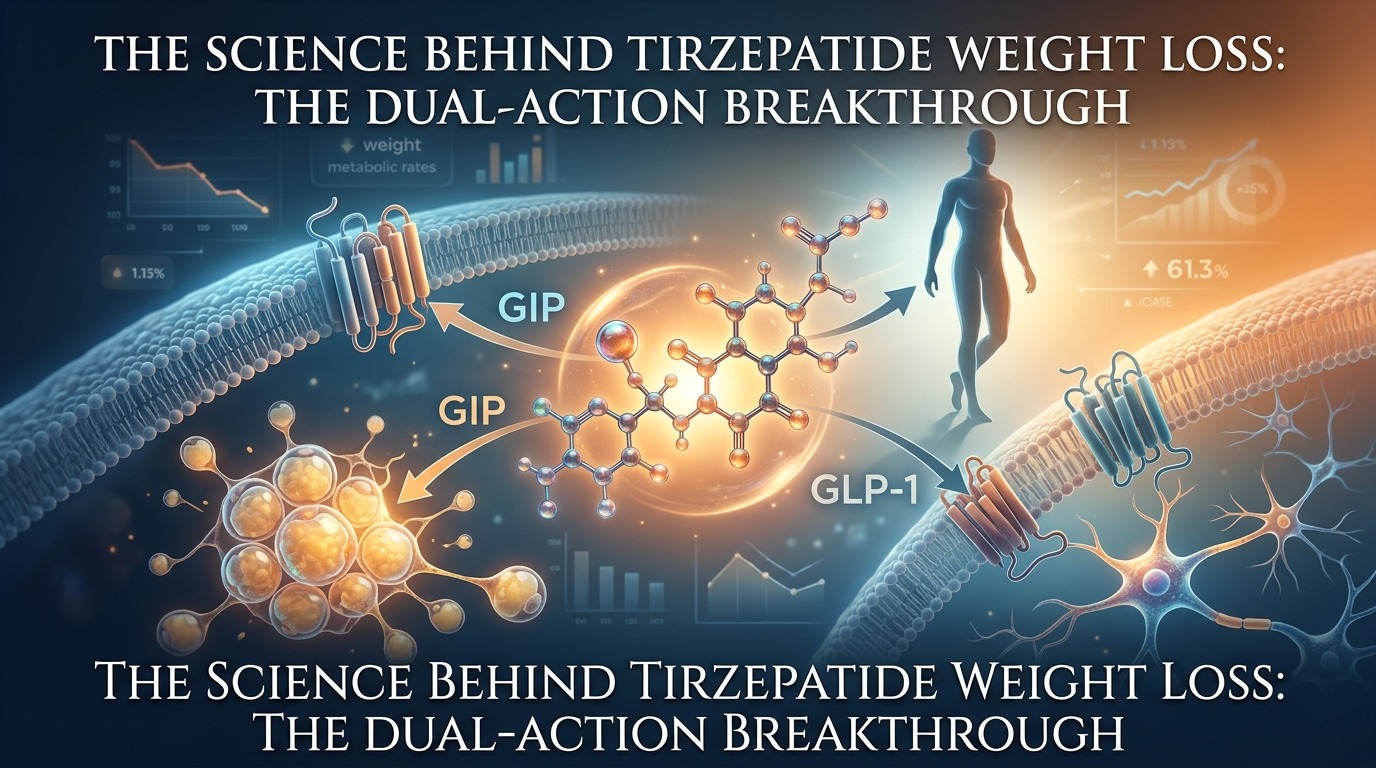
The Science Behind Tirzepatide Weight Loss: Is This Dual-Action Breakthrough the End of Obesity?
For decades, weight loss interventions have relied heavily on willpower, calorie counting, and rigorous exercise routines. While these lifestyle factors remain essential pillars of overall health, clinical research has exposed a deeper reality: obesity is a complex, neurometabolic disease governed by hormonal pathways that actively resist long-term weight reduction. When individuals drop calories, the body responds by surging hunger-inducing hormones and slowing metabolic rate, creating an uphill battle that leaves over 80% of dieters eventually regaining lost weight.
Enter tirzepatide—a pharmaceutical breakthrough that has fundamentally shifted our understanding of medical weight loss. Marketed under the brand names Mounjaro (for Type 2 Diabetes) and Zepbound (specifically approved for chronic weight management), this weekly injectable peptide is delivering clinical results never before seen in anti-obesity pharmacotherapy.
How exactly does tirzepatide achieve body weight reductions exceeding 20% in clinical trials? What makes it different from existing single-hormone medications like semaglutide? And what critical realities must patients understand before starting treatment?
1. What Is Tirzepatide and How Does It Work?
To understand tirzepatide, one must first look at the body’s native gut hormones, known as incretins. Whenever you consume food, your digestive tract secretes specialized hormones that communicate directly with your pancreas, liver, and central nervous system to regulate blood sugar, digestion, and appetite.
Older-generation metabolic medications target a single gut hormone called GLP-1 (Glucagon-Like Peptide-1). Tirzepatide, however, belongs to a novel class of therapeutics known as dual GIP/GLP-1 receptor agonists—often referred to in medical literature as a “twincretin”.
                     ┌────────────────────────┐
                     │      Tirzepatide       │
                     │  (Dual Receptor Agonist)│
                     └───────────┬────────────┘
                                 │
              ┌──────────────────┴──────────────────┐
              ▼                                     ▼
   ┌────────────────────┐                ┌────────────────────┐
   │    GLP-1 Receptor   │                │    GIP Receptor    │
   │     Activation     │                │     Activation     │
   └──────────┬─────────┘                └──────────┬─────────┘
              │                                     │
   • Delays Gastric Emptying             • Enhances Lipid Metabolism
   • Suppresses Central Appetite         • Modulates Adipose Tissue
   • Reduces "Food Noise"                • Synergizes Satiety Signals
By synthetic design, tirzepatide binds to and activates two key incretin receptors simultaneously:
- GLP-1 (Glucagon-Like Peptide-1): Delays gastric emptying (slowing how fast food exits the stomach), enhances glucose-dependent insulin secretion, and acts on receptors in the brain to increase satiety.
- GIP (Glucose-Dependent Insulinotropic Polypeptide): Works synergistically with GLP-1 to enhance metabolic rate, improve lipid (fat) processing in adipose tissue, and directly suppress hunger signaling in the central nervous system.
By engaging both pathways, tirzepatide delivers a dual-action signal that re-engineers the body’s appetite response far more powerfully than single-target agents.
2. The Clinical Data: How Much Weight Can You Lose?
The clinical efficacy of tirzepatide was evaluated in the landmark SURMOUNT clinical trial program, which investigated thousands of non-diabetic adults suffering from obesity or overweight with weight-related comorbidities.
The primary study, SURMOUNT-1, examined the effect of weekly tirzepatide doses (5 mg, 10 mg, and 15 mg) over a 72-week duration alongside lifestyle modifications.
| Dose Tier | Average Percent Weight Loss (72 Weeks) | Average Pounds Lost (Based on ~230 lb Baseline) | Percent of Patients Achieving ≥20% Weight Loss |
| 5 mg | 15.0% | ~34 lbs | 30.0% |
| 10 mg | 19.5% | ~44 lbs | 50.0%+ |
| 15 mg | 20.9% (up to 22.5% in sub-analyses) | 52.0+ lbs | 63.0%+ |
| Placebo | 3.1% | ~7 lbs | 3.1% |
Data derived from the landmark SURMOUNT-1 clinical trial published in the New England Journal of Medicine.
In trial settings, over 1 in 3 adults taking the highest dose (15 mg) achieved a total body weight reduction of 25% or greater—a magnitude of weight loss historically achievable only through invasive bariatric surgeries like gastric sleeve or roux-en-y bypass.
3. Key Mechanisms: What Happens Inside Your Body?
Tirzepatide’s impressive results stem from three primary physiological mechanisms working in tandem:
A. Gastric Slowing & Prolonged Fullness

Tirzepatide slows the rate at which food passes from the stomach into the small intestine. As a result, physical stretch receptors in the stomach wall remain stimulated for hours longer after a meal. Patients report feeling comfortably full on a fraction of their normal portion sizes.
B. Elimination of “Food Noise”

One of the most profound subjective experiences reported by patients is the cessation of “food noise”—the continuous, intrusive thoughts about food, snacking, and cravings that plague many chronic dieters. By acting directly on the hypothalamus and limbic brain centers (which govern reward and impulse control), tirzepatide alters dopamine responses associated with high-calorie foods, making it significantly easier to adhere to healthy eating habits.
C. Enhanced Adipose Tissue Sensitivity
The addition of the GIP receptor pathway is what truly sets tirzepatide apart. GIP receptors are abundant in body fat (adipose tissue). Research indicates that GIP signaling improves the body’s sensitivity to insulin, promotes healthier fat storage dynamics, and reduces chronic, systemic low-grade inflammation within adipose cells.
4. Tirzepatide vs. Semaglutide: Comparing the Heavyweights
As anti-obesity medications surge in popularity, patients frequently ask how tirzepatide compares to semaglutide (prescribed as Wegovy for weight loss and Ozempic for diabetes).
┌─────────────────────────────────────────────────────────────┐
│                       SEMAGLUTIDE                           │
│  • Single Mechanism: GLP-1 Receptor Agonist                 │
│  • Average Weight Reduction: ~15% at 68 Weeks               │
└──────────────────────────────┬──────────────────────────────┘
                               │
                               ▼ VS
┌─────────────────────────────────────────────────────────────┐
│                        TIRZEPATIDE                          │
│  • Dual Mechanism: GIP + GLP-1 Receptor Agonist             │
│  • Average Weight Reduction: ~20.9% to 22.5% at 72 Weeks    │
└─────────────────────────────────────────────────────────────┘
In head-to-head clinical trial comparisons:

- Efficacy: Tirzepatide consistently produces greater average body weight percentage reduction compared to semaglutide.
- Glycemic Control: Tirzepatide yields slightly superior reductions in HbA1c levels for patients managing Type 2 diabetes.
- Mechanism: Semaglutide activates only GLP-1 receptors; tirzepatide activates both GLP-1 and GIP receptors.
5. Dosing Schedule and How Tirzepatide Is Administered
Tirzepatide is delivered as a once-weekly subcutaneous injection using a single-dose pen. It is typically injected into the abdomen, thigh, or upper arm.
To allow the gastrointestinal system to adapt and minimize side effects, prescribing physicians follow a mandatory step-up titration schedule:
Month 1:  2.5 mg / week  (Starter / Adaptation Dose)
Month 2:  5.0 mg / week  (First Therapeutic Dose)
Month 3:  7.5 mg / week  (Step-up Dose)
Month 4:  10.0 mg / week (Therapeutic Dose)
Month 5:  12.5 mg / week (Step-up Dose)
Month 6+: 15.0 mg / week (Maximum Maintenance Dose)
Note: Patients do not always need to escalate to the maximum 15 mg dose. Many remain on 5 mg, 10 mg, or 12.5 mg maintenance doses if they achieve steady weight loss without intolerable side effects.
6. Common Side Effects and Managing Risk
While tirzepatide is widely tolerated, its powerful effect on the digestive tract means gastrointestinal side effects are common, particularly during the initial weeks of titration.
Primary Side Effects:
- Nausea (most common, especially during dose increases)
- Diarrhea or Constipation
- Acid Reflux / Heartburn
- Abdominal Bloating and Burping
- Mild Fatigue
Strategies to Minimize Side Effects:
- Eat Smaller Meals: Stop eating at the first sign of fullness; overeating on tirzepatide will cause severe nausea or discomfort.
- Prioritize Hydration: Drink plenty of water and electrolytes to avoid constipation and kidney strain.
- Limit High-Fat, Fried Foods: Heavy, greasy foods delay stomach emptying further, triggering reflux and cramping.
- Slow Titration: If side effects spike after a dose increase, physicians may maintain the current dose for an extra month before stepping up.
Serious Risks & Contraindications:
Although rare, serious risks exist. Tirzepatide carries a boxed warning regarding thyroid C-cell tumors observed in rodent studies. Consequently, it is strictly contraindicated for individuals with:
- Personal or family history of Medullary Thyroid Carcinoma (MTC).
- Multiple Endocrine Neoplasia syndrome type 2 (MEN 2).
- History of severe pancreatitis.
- Active gallbladder disease.
7. Beyond Weight Loss: Metabolic and Cardiovascular Benefits
The benefits of tirzepatide extend far beyond the bathroom scale. Comprehensive metabolic profiling from clinical trials shows striking secondary health improvements:
- Cardiovascular Risk Reduction: Significant decreases in systolic and diastolic blood pressure, as well as reduced triglycerides and non-HDL cholesterol.
- Insulin Sensitivity: Drastic improvements in insulin responsiveness, reversing prediabetes in up to 95% of clinical trial participants.
- Liver Health: Markedly reduced intra-hepatic liver fat, offering promise for patients with Metabolic Dysfunction-Associated Steatohepatitis (MASH / fatty liver).
- Sleep Apnea: Reduction in the severity of obstructive sleep apnea (OSA) due to upper airway visceral fat reduction.
8. Is Tirzepatide a Lifetime Commitment?
One of the most crucial considerations for anyone considering tirzepatide is treatment duration.
Results from the SURMOUNT-4 trial highlighted what happens when treatment stops: participants who took tirzepatide for 36 weeks and were then switched to a placebo regained approximately half of their lost weight over the subsequent year. Meanwhile, those who continued weekly therapy maintained or increased their weight loss.
Because obesity is a chronic metabolic condition, tirzepatide is designed as a long-term medical therapy, not a short-term quick fix. Discontinuing the drug allows native hunger signals, food noise, and gastric emptying rates to return to their baseline levels.
Summary Checklist: Is Tirzepatide Right for You?
Tirzepatide represents a monumental leap forward in metabolic medicine. If you are evaluating this treatment, consider the following checklist to discuss with your healthcare provider:
- [ ] Do you meet the eligibility criteria (BMI $\ge 30$, or BMI $\ge 27$ with a weight-related condition like hypertension or dyslipidemia)?
- [ ] Are you free of personal/family history of medullary thyroid cancer or MEN 2?
- [ ] Are you prepared for long-term treatment commitment and gradual dose escalation?
- [ ] Are you willing to combine medication with high-protein nutrition, resistance training, and hydration to preserve lean muscle mass?
Tirzepatide is not magic—it is precise biopharmaceutical engineering. When paired with sustainable lifestyle modifications, it offers a transformative tool for reclaiming control over metabolic health and achieving permanent weight wellness.
Frequently Asked Questions (FAQs)
How fast do you lose weight on tirzepatide?
Most individuals begin noticing weight loss within the first 2 to 4 weeks of starting tirzepatide on the initial 2.5 mg starter dose. However, significant clinical weight loss typically occurs as the dose is stepped up to therapeutic levels (5 mg and above) over months 2 through 6. In clinical trials, patients experienced consistent weight loss over 72 weeks, averaging 1 to 2 pounds lost per week.
What is the difference between Zepbound and Mounjaro?
Both Zepbound and Mounjaro contain the exact same active ingredient (tirzepatide), manufactured by Eli Lilly. The primary difference is their FDA-approved indication:
- Mounjaro is FDA-approved for the treatment of Type 2 Diabetes.
- Zepbound is FDA-approved specifically for chronic weight management in adults with obesity or overweight with weight-related medical conditions.
Is tirzepatide more effective than semaglutide (Wegovy/Ozempic)?
Yes, head-to-head clinical data shows that tirzepatide generally produces greater average weight loss than semaglutide. Tirzepatide targets two gut hormone receptors (GIP and GLP-1), whereas semaglutide targets only one (GLP-1). In trials, tirzepatide delivered average weight reductions of up to 20.9% to 22.5%, compared to approximately 15% for semaglutide.
Where is the best place to inject tirzepatide?
Tirzepatide is injected subcutaneously (under the skin) once per week into one of three recommended areas:
- Abdomen (at least 2 inches away from the belly button)
- Front of the thigh
- Outer upper arm (if administered by another person)
Rotating injection sites each week helps minimize localized skin irritation.
What happens if you stop taking tirzepatide?
If you stop taking tirzepatide, gastric emptying rates normalize and “food noise” and native hunger levels return. Clinical trials (such as SURMOUNT-4) demonstrate that patients who discontinue treatment tend to regain a significant portion of their lost weight over time. Obesity is recognized as a chronic metabolic condition, so tirzepatide is intended as a long-term therapy alongside healthy lifestyle habits.
What foods should you avoid while on tirzepatide?
To avoid severe gastrointestinal side effects like nausea, acid reflux, and bloating, it is recommended to avoid or limit:
- High-fat, greasy, or fried foods
- Ultra-processed, sugary snacks
- Carbonated beverages
- Excessive alcohol consumption
- Large, heavy portions close to bedtime
Focusing on lean proteins, fiber, hydrated foods, and smaller meal portions yields the best tolerance and results.
How do you prevent muscle loss while losing weight on tirzepatide?
Rapid weight reduction on any metabolic medication can result in muscle mass loss alongside body fat loss. To preserve lean muscle tissue:
- Prioritize Protein: Consume at least 0.8 to 1.0 grams of protein per pound of ideal body weight daily.
- Resistance Training: Perform strength training exercises 2 to 4 times per week to stimulate muscle protein synthesis.
- Stay Hydrated: Drink plenty of water and maintain adequate electrolyte levels daily.