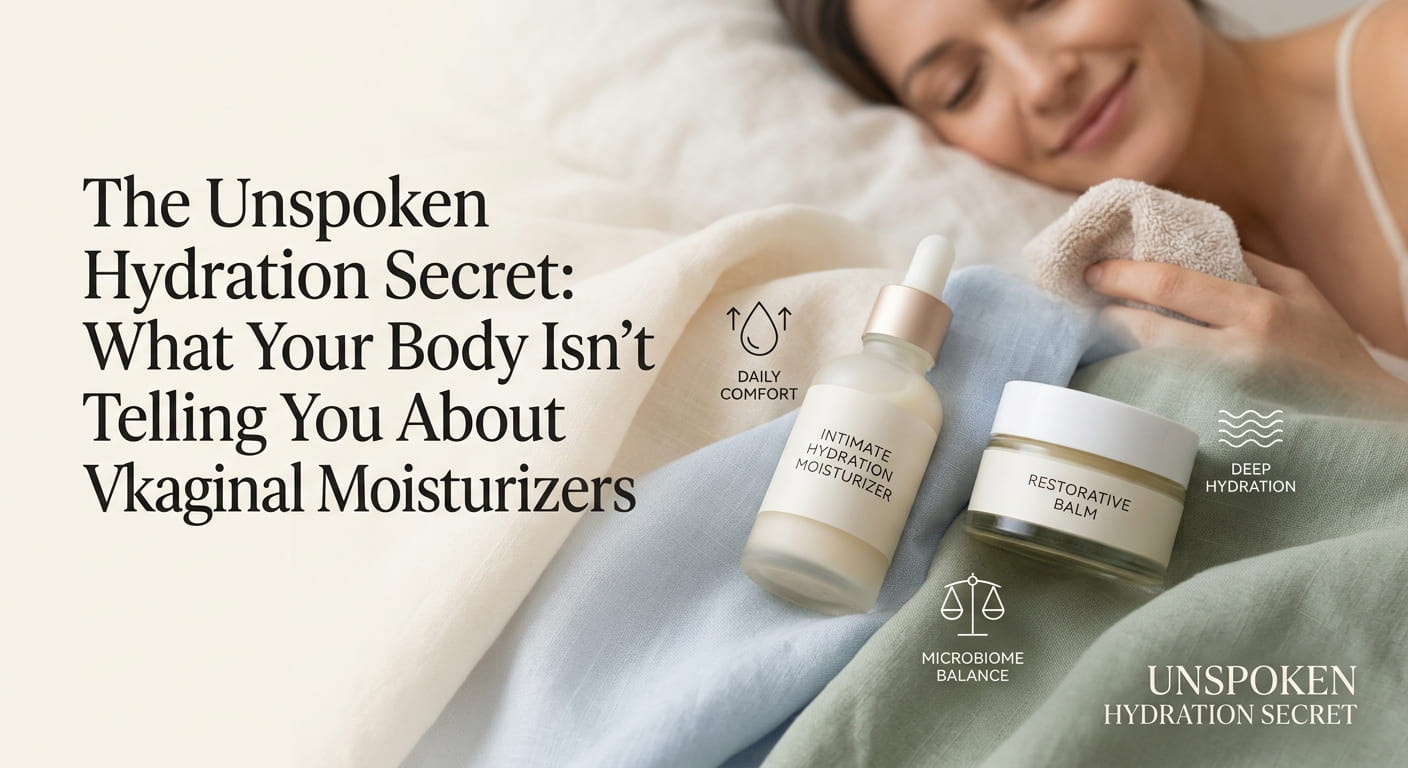
The Unspoken Hydration Secret: What Your Body Isn’t Telling You About Vaginal Moisturizers
Millions of women quietly experience an uncomfortable, persistent symptom that rarely makes it into casual conversation: chronic intimate dryness. It sneaks up during workout routines, makes sitting at a desk feel agonizing, and slowly turns intimacy into a source of anxiety rather than pleasure.
Most people instinctively reach for standard personal lubricants, assuming friction is the only issue. However, relying solely on lube to treat day-to-day dryness is like applying a gloss over chapped lips without ever using lip balm—it offers temporary glide, but does nothing to solve underlying dehydration.
This is where vaginal moisturizers step in. Designed to transform tissue care, these non-hormonal solutions restore cellular moisture, rebuild elasticity, and maintain natural balance.
The Hidden Cause: Why Vaginal Dryness Happens
Vaginal dryness is rarely just an age-related issue. While it is a hallmark symptom of perimenopause and menopause due to declining estrogen levels—a condition known clinically as the Genitourinary Syndrome of Menopause (GSM) or vulvovaginal atrophy—it can affect women at almost any stage of life:
- Hormonal Shifts: Postpartum recovery, breastfeeding, or taking oral contraceptives can alter estrogen levels enough to compromise natural lubrication.
- Medical Treatments: Chemotherapy, radiation therapy, and anti-estrogen medications (frequently used in breast cancer recovery) drastically reduce mucosal moisture.
- Lifestyle & Stress: High cortisol levels, chronic stress, dehydration, and intensive athletic training can impair blood flow and fluid secretion to pelvic tissues.
- Irritants: Harsh soaps, scented body washes, bubble baths, and laundry detergents strip the delicate vulvovaginal barrier, triggering irritation and dryness.
When estrogen drops, the vaginal epithelium (the tissue lining the vaginal walls) thins out, loses elasticity, and struggles to retain water. Over time, this leads to persistent itching, burning, chafing, and pain during intercourse.
Moisturizers vs. Lubricants: The Critical Difference
Understanding the distinction between lubricants and moisturizers is essential for effective intimate care:
| Feature | Vaginal Lubricants | Vaginal Moisturizers |
| Primary Purpose | Immediate friction reduction during sexual activity. | Long-term hydration and tissue maintenance. |
| How It Works | Sits on top of the tissue surface temporarily. | Absorbs into mucosal cells to hold water inside tissues. |
| Frequency | Used on-demand right before or during intercourse. | Used regularly (2–3 times a week or daily). |
| Tissue Impact | Relieves instant contact pain; does not repair tissue. | Rebuilds elasticity, restores pH, and improves cellular moisture. |
While lubricants are temporary facilitators for intercourse, vaginal moisturizers are restorative self-care products built to maintain daily comfort.
How Vaginal Moisturizers Rebuild Cellular Health
When applied internally, a high-quality vaginal moisturizer binds to the mucosal lining. As the product adheres to the tissue walls, it slowly releases water into the surrounding cells, rehydrating dry layers and encouraging the shedding of old, damaged tissue cells.
Key Scientific Ingredients to Look For
- Hyaluronic Acid (HA): A powerhouse molecule capable of holding up to 1,000 times its weight in water. In intimate care, HA draws moisture directly into deep epithelial layers, significantly enhancing tissue thickness and suppleness without relying on hormones.
- Polycarbophil and Bioadhesive Polymers: These hydrophilic compounds stick to the vaginal wall, retaining water and releasing steady hydration over 48 to 72 hours.
- Lactic Acid: Crucial for maintaining optimal vaginal pH levels (between 3.8 and 4.5). A healthy acidic pH fosters beneficial Lactobacillus bacteria while keeping yeast and harmful bacteria at bay.
- Natural Soothing Oils (for external vulvar care): Pure coconut oil, vitamin E, or aloe vera can soothe outer vulvar tissues, though water-based or bioadhesive hydrogels are generally preferred for internal use.
Ingredients to Strictly Avoid
The vaginal mucosa is highly permeable, absorbing substances faster than standard skin. To protect your tissue integrity and microbiome, avoid products containing these potential irritants:
- Parabens (Methylparaben, Propylparaben): Commonly used preservatives that act as weak endocrine disruptors and irritate sensitive membranes.
- Propylene Glycol & Glycerin (in high concentrations): High-osmolality ingredients that draw water out of vaginal cells rather than hydrating them, leading to cellular dehydration and epithelial tearing.
- Fragrances and Artificial Flavors: A leading cause of contact dermatitis, burning, and allergic reactions in the pelvic region.
- Petroleum Jelly (Vaseline): Petrolatum products trap bacteria, alter normal discharge, and increase the risk of bacterial vaginosis or yeast infections.
How to Apply Vaginal Moisturizers for Optimal Results
Incorporating a moisturizer into your self-care routine is simple, but consistency is key.
                                    REHYDRATION TIMELINE

  [ Week 1 ]                      [ Weeks 2–3 ]                   [ Weeks 4–12 ]
  Shedding & Transition           Discomfort Fades                Optimal Elasticity
  • Cell turnover begins          • Reduced itching & burning     • Rebalanced microflora
  • Mild discharge is normal      • Improved daily comfort        • Restored tissue integrity
- Choose the Right Delivery Method: Moisturizers come as internal gels with single-use applicators, pre-filled insertable suppositories, or external balms.
- Apply at Bedtime: Inserting the moisturizer right before lying down prevents gravity from causing early leakage, giving the product time to absorb fully overnight.
- Maintain a Regular Schedule: Apply 2 to 3 times per week, or up to daily for severe dryness. Consistency allows cells to continually hold water.
- Don’t Panic Over Early Discharge: During the first 1–2 weeks, you may notice a slight increase in clear or milky discharge. This is a normal sign that the vaginal wall is shedding dead cells to make way for healthier, hydrated tissue.
- Protect Your Bedding: Wearing a breathable cotton panty liner during the first few uses can help catch any minor overnight residue.
When to See a Healthcare Professional
Over-the-counter vaginal moisturizers are safe, effective, non-hormonal solutions for mild-to-moderate dryness. However, they may not solve every underlying condition. Consult a gynecologist or healthcare provider if you experience:
- Persistent burning, severe pain, or bleeding during or after intercourse.
- Abnormal, foul-smelling discharge or unusual yellow/green discoloration.
- Unexplained pelvic pain or severe itching that doesn’t improve after two weeks of consistent moisturizer use.
- Recurrent urinary tract infections (UTIs).
In cases of pronounced hormonal depletion, your doctor may recommend combining non-hormonal moisturizers with low-dose localized vaginal estrogen therapy.
Addressing intimate health with the same care given to skincare routines brings transformational comfort. By choosing safe, iso-osmolar, hyaluronic acid-based formulations and maintaining consistent application, you can protect your tissue integrity, prevent irritation, and restore everyday confidence.
1. What is the difference between a vaginal moisturizer and a lubricant?
A vaginal moisturizer is a daily or regular care product designed to absorb into mucosal tissue to restore continuous hydrations, repair elasticity, and maintain long-term comfort. A personal lubricant is used on-demand specifically during sexual activity to reduce immediate surface friction and does not alter tissue hydration levels over time.
2. How often should you use a vaginal moisturizer?
Vaginal moisturizers should generally be used 2 to 3 times per week, though severe dryness may require daily application until tissue hydration is restored. For maximum absorption and to prevent product leakage, apply the moisturizer internally right before bedtime.
3. Can vaginal moisturizers help with menopause-related dryness?
Yes. Vaginal moisturizers are highly effective non-hormonal treatments for the Genitourinary Syndrome of Menopause (GSM). Formulations containing hyaluronic acid or polycarbophil restore moisture and elasticity to thinned vaginal tissue without systemic or localized estrogen.
4. What key ingredients should you look for in a vaginal moisturizer?
Look for these key beneficial ingredients:
- Hyaluronic Acid: Binds water deep within mucosal cells to restore tissue thickness.
- Polycarbophil / Bioadhesive Polymers: Adheres to vaginal tissue walls for long-lasting, time-released hydration.
- Lactic Acid: Helps maintain an optimal acidic pH (3.8–4.5) to support healthy vaginal microflora.
5. Which ingredients should be avoided in intimate moisturizers?
Avoid products containing:
- Parabens (Methylparaben, Propylparaben): Potential endocrine disruptors and irritants.
- High Concentrations of Glycerin or Propylene Glycol: Can cause osmotic stress that pulls water out of tissues, leading to cell dehydration.
- Added Fragrances and Flavors: Major triggers for allergic reactions and contact dermatitis.
- Petroleum Jelly: Traps harmful bacteria and disrupts natural vaginal flora.
6. Are vaginal moisturizers safe to use during pregnancy or postpartum?
Yes, most non-hormonal, water-based vaginal moisturizers are safe for postpartum and breastfeeding individuals experiencing hormonal dryness. However, during pregnancy or immediate postpartum recovery, always consult your OB-GYN or midwife before introducing internal applicators or new pelvic products.