Guide to Tinted Moisturizers: Glowy Skin, Benefits, & Best Formulas
The Ultimate Guide to Tinted Moisturizer: Achieve Effortless, Radiant Skin Every Day
In an era where heavy, full-coverage foundation is increasingly taking a backseat to fresh-faced minimalism, hybrid cosmetics have officially taken center stage. Leading this beauty revolution is the humble yet transformative tinted moisturizer.
Combining skin-nourishing ingredients with light-reflecting color pigments, tinted moisturizers bridge the gap between dedicated skincare and subtle cosmetic enhancement. Whether you are aiming for a minimalist “no-makeup makeup” aesthetic or simply seeking a quick routine to even out your complexion before heading out the door, understanding how to choose and apply this beauty staple can transform your daily skin ritual.
What Is a Tinted Moisturizer?
A tinted moisturizer is a dual-action hybrid product designed to deliver essential hydration while dispersing a sheer wash of pigment over the skin. Unlike classic liquid foundations, which are formulated primarily with heavy pigments to obscure blemishes and even out severe discoloration, a tinted moisturizer prioritizes skin health first and cosmetic coverage second.
Most modern formulations feature key skincare ingredients—such as hyaluronic acid, glycerin, squalane, and botanical oils—that actively work to improve moisture retention and plump the skin throughout the day. The subtle pigment acts as a soft-focus filter, blurring mild redness, minor hyperpigmentation, and enlarged pores without creating a cakey or masked appearance.
                     [ HYBRID COVERAGE SPECTRUM ]

 Sheer/Dewy                                              Full/Matte
     |----------------------|-----------------------|--------|
 Tinted Moisturizer     BB/CC Creams           Liquid Foundation
Tinted Moisturizer vs. BB Cream vs. CC Cream vs. Foundation
With so many complexion products available, distinguishing between them is crucial for building an effective routine:
| Feature | Tinted Moisturizer | BB Cream (Blemish Balm) | CC Cream (Color Correcting) | Traditional Foundation |
| Primary Goal | Deep Hydration + Sheer Wash | Skin Repair + Light Coverage | Tone Correction + Medium Coverage | Full Pigment & Blemish Concealment |
| Coverage Level | Sheer to Light | Light to Medium | Medium | Medium to Full |
| Finish | Dewy / Natural / Glowy | Natural / Satin | Satin / Semi-Matte | Matte, Satin, or Radiant |
| Skincare Focus | High (Emollients, Humectants) | High (Antioxidants, SPF) | High (Brightening Actives) | Low to Moderate |
| Best For | Everyday wear, dry to normal skin | Daily protective wear | Redness or dark spots | Formal events, heavy discoloration |
Top Benefits of Incorporating Tinted Moisturizer Into Your Routine
1. Streamlines Your Morning Routine
By combining moisture, mild color correction, and frequently built-in sun protection into a single tube, tinted moisturizers cut down application time significantly.
2. Enhances Natural Texture Rather Than Hiding It
Heavy foundation can often accentuate fine lines, dry patches, or textural irregularities. A quality tinted moisturizer fuses with your natural skin oils, letting your skin breathe and shine through with an authentic glow.
3. Delivers All-Day Moisture Retention
Packed with humectants and emollients, these formulas prevent transepidermal water loss (TEWL), leaving your face feeling comfortable and flexible rather than tight or dry.
4. Lightweight & Non-Comedogenic Options
Most formulas are lighter in density than tradition foundations, reducing the likelihood of clogged pores, congestion, or breakouts.
Key Skincare Ingredients to Look For
To maximize the benefits of your skin tinthttps://bbabysuleman.com/products/glass-skin-tinted-moisturiser?srsltid=AfmBOorwIc6kw5DDuzlNcO4KQFhIOJnSS4rlPda-eaeryKmgyVlvbMAe, inspect the ingredient list for key actives that address your skin’s specific needs:
- Hyaluronic Acid & Glycerin: Essential humectants that draw atmospheric moisture directly into the stratum corneum for plump, supple skinhttps://glowingcave.com/2026/07/19/guide-to-retinol-serum-benefits-side-effects-and-how-to-use-it-for-flawless-skin/.
- Niacinamide (Vitamin B3): Helps soothe inflammation, regulate sebum production, and brighten post-inflammatory hyperpigmentation.
- Squalane & Jojoba Oil: Lightweight, non-comedogenic emollients that mimic natural sebum to lock in moisture and reinforce the skin barrier.
- Non-Nano Zinc Oxide or Titanium Dioxide: Mineral SPF filters that reflect UVA/UVB rays without irritating sensitive skin.
- Antioxidants (Vitamin C, Green Tea, Vitamin E): Neutralize free radicals caused by environmental pollution and UV exposure.
How to Choose the Right Tinted Moisturizer for Your Skin Type
Selecting the right formula requires matching your skin’s biological profile with the correct base vehicle:
For Dry or Mature Skin
Look for creamy, oil-infused formulas rich in ceramides, hyaluronic acid, and squalane. Opt for finishes described as “dewy,” “luminous,” or “radiant” to combat dullness and smooth over fine lines without settling.
For Oily or Acne-Prone Skin
Seek out oil-free, non-comedogenic formulations with a “satin” or “natural matte” finish. Formulations containing niacinamide or silica will help absorb excessive sebum throughout the day while maintaining hydration.
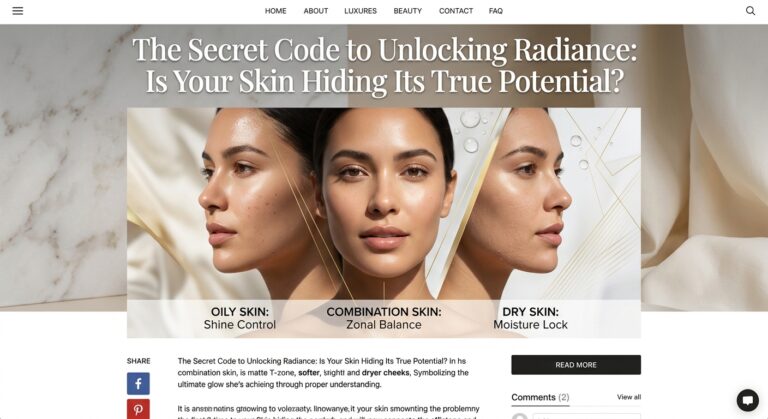
For Combination Skin
Balance is key. Choose gel-cream or water-based formulas that hydrate dry areas (cheeks) without overloading the oilier T-zone (forehead, nose, chin).
For Sensitive or Reactive Skin
Prioritize fragrance-free, hypoallergenic, and mineral-based formulas (using zinc oxide or titanium dioxide). Avoid heavy synthetic dyes, essential oils, or chemical sunscreen filters like oxybenzone that might induce contact dermatitis.
How to Apply Tinted Moisturizer for a Second-Skin Finish
Achieving an airbrushed, glowy finish requires simple prep and correct technique:
1.Cleanse and Prep the Canvas:Essential baseline hydration.
Start with a clean face. Apply your lightweight serum and routine face moisturizer first. Allow 2–3 minutes for skincare products to absorb fully into the skin before applying makeup to prevent pilling.
2.Layer Dedicated SPF:Sun safety first.
While many tinted moisturizers contain SPF, you rarely apply enough product to achieve the full SPF rating printed on the label. Apply a quarter-teaspoon of dedicated broad-spectrum SPF 30+ underneath for guaranteed protection.
3.Dispense and Warm Product:Temperature aids blending.
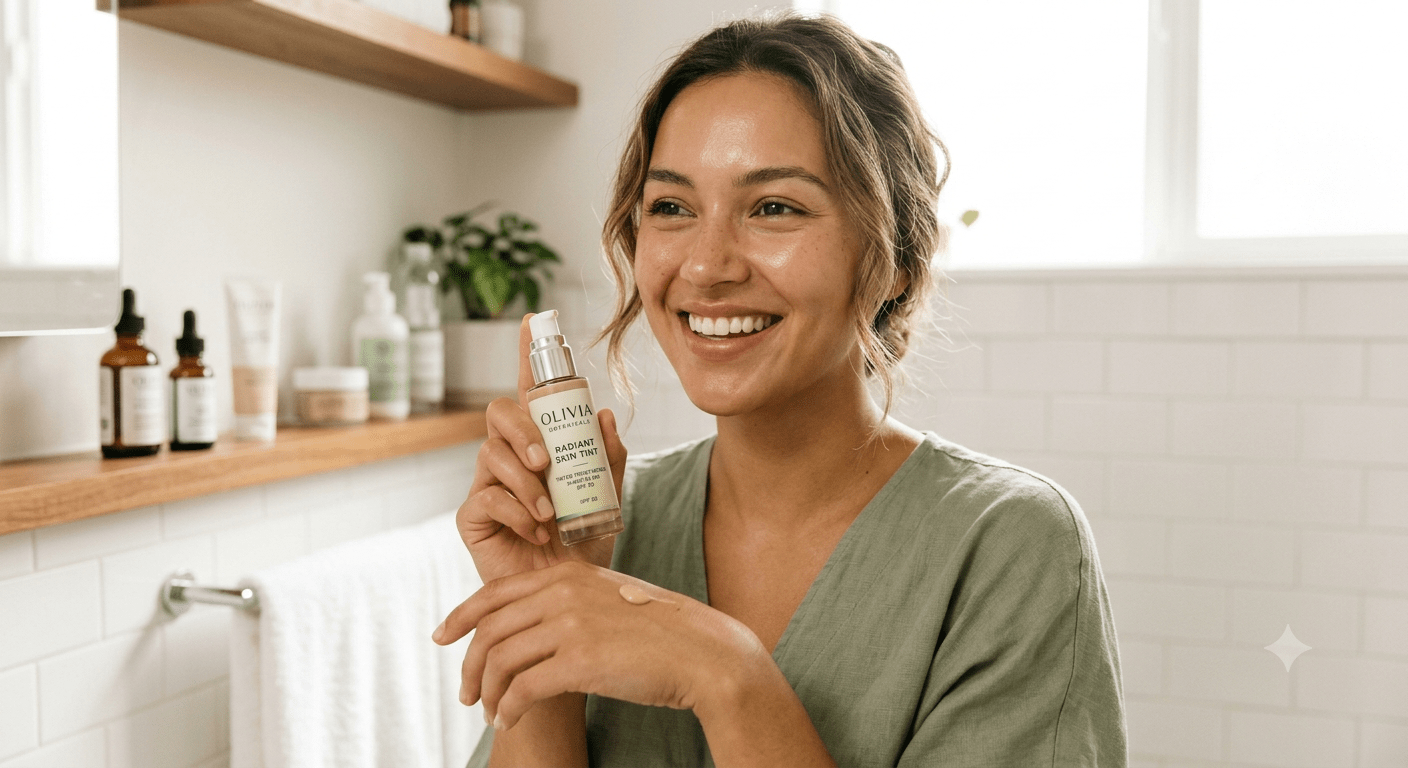
Dispense a pea-sized amount onto the back of your hand. Gently warm the product between your fingertips; this breaks down the emulsion slightly, allowing the pigments to blend seamlessly into your skin tone.
4.Dot and Blend Outward:Focus on the center of the face.
Dot the tinted moisturizer onto the center of your face—forehead, nose, cheeks, and chin—where redness is usually most prominent. Blend outward toward your hairline and jawline using clean fingertips for the most natural, melted-in finish.
5.Spot-Conceal & Set (Optional):Targeted coverage.
If you have persistent blemishes or dark under-eye circles, apply a creamy concealer directly to those targeted areas rather than layering more skin tint all over. Dust a translucent setting powder lightly over the T-zone only, keeping the cheeks luminous.
Pro Application Tips & Tricks
- Ditch the Sponge for Fingers or Brushes: Wet beauty sponges tend to absorb sheer products, stripping away both moisture and coverage. The warmth of clean fingers provides the best seamless blend, while a dense, synthetic buffing brush gives slightly higher coverage.
- Avoid the Dreaded Line: Always feather the product down your neck and across your earlobes to maintain color uniformity across your neck and chest.
- Pair with Cream Formulas: Maintain a dewy aesthetic by pairing your tinted moisturizer with cream blushes, liquid highlighters, and bronzers. Powders applied on top of dewy skin tints can sometimes look patchy or heavy.
Frequently Asked Questions
Can tinted moisturizer replace my daily skincare moisturizer?
For most skin types, no. While tinted moisturizers contain hydrating ingredients, their primary function is complexion balance. Skipping your base moisturizer can cause dry patches to absorb the pigments, resulting in an uneven, patchy finish.
Is tinted moisturizer suitable for acne-prone skin?
Yes, provided you choose an oil-free, non-comedogenic formula labeled as breathable or targeted for breakout-prone skin. Look for ingredients like salicylic acid or niacinamide to keep pores clear while evening out redness.
How do I pick the right shade?
Because tinted moisturizers offer sheer, buildable coverage, shade matching is far more forgiving than with full-coverage foundation. Choose a shade based on your skin’s undertone (Cool, Warm, or Neutral). When in doubt, match the tint to your neck and chest area for seamless cohesion.