The Post-Workout Mistake Crushing Your Gains (And What to Eat Instead)
You rack the final barbell, wipe the sweat from your brow, and step out of the gym floor feeling victorious. You pushed your limits, hit your target reps, and triggered the physical stress required to grow stronger.
However, your body is not building muscle during that intense workout. In fact, exercise is inherently destructive. Lifting weights creates microscopic tears in your muscle fibers, depletes your glycogen reserves, and spikes your stress hormones.
The actual transformation—where muscle fibers repair, grow thicker, and adapt—happens hours later. But here is the catch: your body cannot rebuild itself out of thin air.
If you leave the gym and wait hours to eat, or worse, grab a low-nutrient option, you actively sabotage your progress. You risk leaving your body in a prolonged catabolic (muscle-wasting) state, leading to lingering soreness, sluggish workouts, and disappointing results.
Feeding your body the precise nutrients it demands immediately after training dictates whether your hard work translates into rapid muscle growth or total physical burnout.
The Anatomy of Recovery: What Happens After You Lift
To optimize your post-workout meal, you must understand what happens inside your muscle tissue the moment your workout ends:
- Micro-Tears: Resistance training causes micro-trauma to myofibrils (muscle proteins). Repairing these fibers requires dietary amino acids.
- Glycogen Depletion: Carbohydrates stored in your muscles and liver serve as primary fuel during exercise. Hard sessions leave those fuel tanks empty.
- Elevated Cortisol: Intensive exercise spikes cortisol, a catabolic hormone that breaks down tissue unless countered by an anabolic signal (like insulin and amino acids).
- Increased Blood Flow: Post-exercise hyperemia increases blood flow to worked muscles, creating an optimal window for nutrient delivery.
Recovery requires shifting your metabolic environment from catabolic (breaking down tissue) to anabolic (building tissue). The foods you choose dictate how fast this shift happens.
The Three Pillars of Post-Workout Nutrition
Optimal post-workout nutrition relies on three specific macronutrient components: Protein, Carbohydrates, and Hydration.
       ┌──────────────────────────────────────────────┐
       │     THE TRIAD OF POST-WORKOUT RECOVERY       │
       └──────────────────────┬───────────────────────┘
                              │
         ┌────────────────────┼────────────────────┐
         ▼                    ▼                    ▼
  ┌─────────────┐      ┌─────────────┐      ┌─────────────┐
  │   PROTEIN   │      │CARBOHYDRATES│      │ HYDRATION & │
  │ (30-40g)    │      │  (2:1 Ratio)│      │ ELECTROLYTES│
  └──────┬──────┘      └──────┬──────┘      └──────┬──────┘
         │                    │                    │
         ▼                    ▼                    ▼
    Triggers Muscle       Restores Depleted     Rehydrates Cells
  Protein Synthesis       Muscle Glycogen       & Aids Blood Flow
1. Protein: The Building Blocks
When you consume protein, your digestive system breaks it down into individual amino acids. These amino acids travel through your bloodstream to repair micro-tears in your muscle fibers—a process called Muscle Protein Synthesis (MPS).
To maximize MPS, aim for 30 to 40 grams of high-quality protein containing at least 2.5 to 3 grams of Leucine. Leucine is an essential branched-chain amino acid (BCAA) that acts as the molecular “light switch” to activate muscle repair.
2. Carbohydrates: The Energy Refuel
Protein repairs tissue, but carbohydrates drive the recovery engine. Consuming fast-digesting carbs raises insulin levels.
While insulin often gets a bad reputation in casual diet talk, post-workout insulin is your secret weapon. It shuttles glucose back into depleted muscle cells to restore glycogen and helps drive amino acids directly into muscle tissue.
- Strength & Hypertrophy Training: Aim for a 2:1 ratio of carbohydrates to protein (e.g., 60g carbs to 30g protein).
- Endurance & High-Volume Cardio: Aim for a 3:1 or 4:1 ratio (e.g., 90g carbs to 30g protein).
3. Hydration and Electrolytes
Muscle cells are roughly 75% water. Exercising while dehydrated reduces protein synthesis and slows recovery. Rehydrating requires both fluid intake and replacing lost electrolytes—specifically sodium and potassium—to restore cellular fluid balance.
Debunking the Myth: The Truth About the “Anabolic Window”
Fitness lore suggests that if you do not swallow a protein shake within 30 minutes of dropping your last dumbbell, your workout is wasted.
Modern exercise physiology paints a more practical picture. The anabolic window is not a rigid 30-minute deadline; it acts more like a multi-hour recovery window.
           [ PRE-WORKOUT MEAL ] ──► (2 - 3 Hours Before)
                                         │
                                   [ WORKOUT ]
                                         │
    Anabolic Window Window ◄─────────────┴─────────────► Optimal Period
     (Immediate Shake)                                    (1 - 2 Hours Post)
If you ate a balanced meal containing protein and carbs 1–2 hours before training, those nutrients are still circulating in your system post-workout. You have a relaxed 1 to 2-hour window after your session to consume your recovery meal.
However, if you train in a fasted state (e.g., early morning workouts), consuming your post-workout meal as soon as possible becomes far more critical to prevent ongoing muscle breakdown.
7 Essential Post-Workout Meals for Fast Recovery
Here are seven nutrient-dense, practical post-workout meal options structured around optimal recovery ratios.
| Meal Option | Best For | Key Macronutrients (Approx.) | Recovery Benefit |
|---|---|---|---|
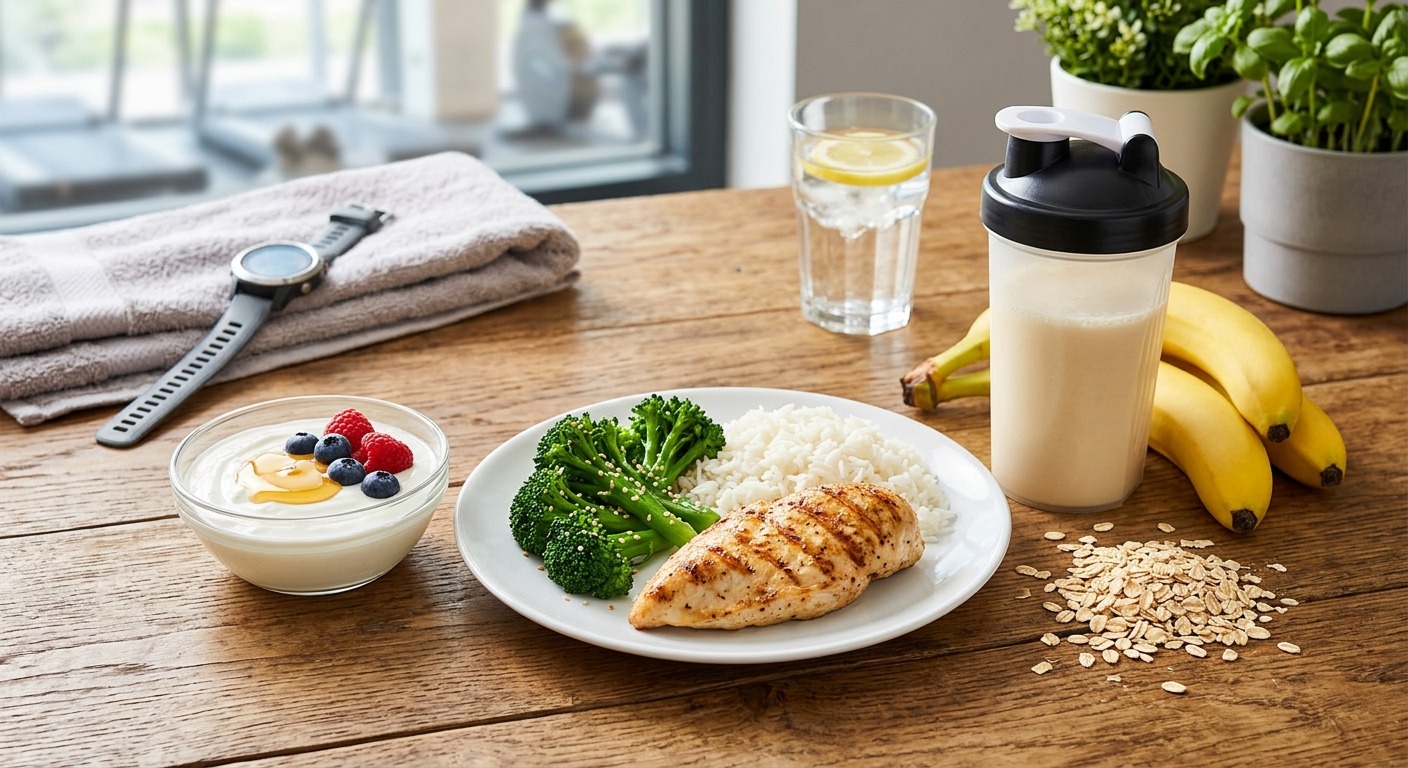
| 1. Grilled Chicken, Jasmine Rice & Steam Veggies | Lean Muscle Building | 40g Protein / 50g Carbs / 5g Fat | High leucine content; fast-digesting glucose from jasmine rice to replenish glycogen quickly. |
| 2. Whey Isolate, Banana & Oats Shake | Immediate Post-Workout Refuel | 35g Protein / 60g Carbs / 3g Fat | Ultra-fast absorption rate; easy on sensitive stomachs immediately post-exercise. |
| 3. Flank Steak, Sweet Potato & Asparagus | Evening Strength Training | 42g Protein / 45g Carbs / 12g Fat | Natural creatine and iron in beef support cell volume and oxygen delivery overnight. |
| 4. Greek Yogurt, Honey & Mixed Berries Bowl | Quick & Easy Preparation | 30g Protein / 45g Carbs / 2g Fat | Combines fast-acting whey with slow-release casein protein to support recovery over several hours. |
| 5. Canned Tuna, Rice Cakes & Avocado | On-the-Go / Budget Friendly | 32g Protein / 40g Carbs / 8g Fat | High-protein source requiring zero cooking; rice cakes offer rapid glycemic delivery. |
| 6. Salmon, Quinoa & Sautéed Spinach | Active Recovery & Anti-Inflammation | 35g Protein / 40g Carbs / 14g Fat | Rich in Omega-3 fatty acids, which reduce Delayed Onset Muscle Soreness (DOMS). |
| 7. Tofu/Tempeh Stir-Fry with White Rice & Edamame | Plant-Based Athletes | 32g Protein / 55g Carbs / 10g Fat | Combines complementary plant proteins to yield a complete amino acid profile rich in leucine. |
What About Fats Post-Workout?
A common fitness misconception is that dietary fat should be completely avoided after a workout. The logic goes: Fat slows down digestion, which delays protein and carbohydrate absorption.
While high-fat meals (e.g., greasy fast food or heavy oils) slow gastric emptying, adding moderate, healthy fats (5–10g) to your recovery meal will not hinder your gains. Studies show that whole eggs (which contain fat) stimulate muscle protein synthesis more effectively than egg whites alone, despite the slower digestion speed.
Keep fats moderate—enough to maintain meal taste and nutrient density, but low enough to prioritize rapid carb and protein uptake.
Recommended Micronutrients for Accelerated Recovery
Macronutrients build the structure, but micronutrients regulate the chemical reactions that make muscle repair possible.
- Tart Cherry Juice: High in anthocyanins, which help reduce muscle soreness and oxidative stress after heavy workouts.
- Magnesium: Relaxes muscles, supports protein synthesis, and improves sleep quality (when recovery actually occurs).
- Omega-3 Fatty Acids: Reduces systemic inflammation, increases muscle cell sensitivity to amino acids, and improves joint health.
- Vitamin C: Aids in collagen synthesis, helping repair the tendons and ligaments supporting your muscles.
3 Common Post-Workout Mistakes to Avoid
1. Relying Exclusively on Protein Shakes
While whey protein shakes are convenient, relying entirely on liquid nutrition means missing out on the essential vitamins, minerals, and digestive enzymes found in whole foods. Use supplements to complement your diet, not replace real meals.
2. Skipping Carbohydrates to “Burn Fat”
Skipping post-workout carbohydrates to prolong fat burning is counterproductive if your goal is lean muscle tissue. Low glycogen levels raise cortisol and slow down recovery, leading to poor performance in your next workout and potential muscle loss over time.
3. Alcohol Consumption Post-Workout
Drinking alcohol shortly after a workout impairs muscle protein synthesis, interferes with glycogen re-synthesis, and causes dehydration. If you choose to drink, consume a nutrient-dense recovery meal and plenty of water first.
A Simple Framework for Post-Workout Success
Optimizing your recovery meal does not require complex cooking or rigid meal prep. Follow this simple assembly strategy every time you step off the gym floor:
- Pick Your Protein (30–40g): Chicken breast, whey protein, white fish, lean beef, Greek yogurt, or tofu.
- Pick Your Fast Carb (40–60g): White rice, potatoes, bananas, oats, or rice cakes.
- Hydrate: Drink at least 20–24 ounces of water with a pinch of unrefined salt or an electrolyte powder.
By consistently refueling your body with the raw materials it needs, you ensure every ounce of effort in the gym yields visible, long-lasting results.
Frequently Asked Questions (FAQs)
1. What should I eat within 30 minutes after a workout?
If you are looking for rapid absorption, consume a fast-digesting protein source paired with simple carbohydrates. A whey protein isolate shake blended with a banana, or non-fat Greek yogurt topped with honey and berries, provides an optimal mix of leucine-rich amino acids and quick-acting glucose to kickstart muscle repair immediately.
2. Can I gain muscle if I don’t eat immediately after working out?
Yes. While timing matters, your total daily protein and carbohydrate intake plays a larger role in overall muscle growth. As long as you consumed a balanced meal 1 to 2 hours before your workout, your body still has circulating nutrients. You have a flexible window of 1 to 2 hours post-workout to eat without losing progress.
3. Is it bad to eat fats after a workout?
No, small to moderate amounts of healthy fats will not ruin your recovery. While heavy, high-fat meals slow down digestion and delay nutrient absorption, eating moderate healthy fats (such as whole eggs or a small serving of avocado) provides essential nutrients and will not hinder muscle protein synthesis.
4. Should I eat carbs after lifting weights if my goal is fat loss?
Yes. Consuming carbohydrates post-workout replenishes depleted muscle glycogen without turning into body fat, because your muscle cells are uniquely sensitive to glucose right after exercise. Skipping post-workout carbs can elevate cortisol levels, prolong muscle soreness, and reduce performance in future workouts.
5. How much protein do I actually need post-workout?
For optimal muscle protein synthesis, target 30 to 40 grams of high-quality protein per recovery meal. This amount ensures you hit the threshold of roughly 2.5 to 3 grams of leucine, the essential amino acid required to trigger muscle repair and growth mechanisms.
6. What are the best plant-based post-workout options for recovery?
Plant-based athletes can achieve high rates of muscle recovery by combining complementary protein sources rich in amino acids. Great options include a tofu or tempeh stir-fry with white rice, a pea-and-rice protein blend shake with oats, or edamame served alongside quinoa and roasted vegetables.