
The Quiet Kitchen Habit That Changes Everything (And the Drink You Should Have Tonight)
There is a quiet, almost forgotten ritual that can completely reset your body before you even sit down to plan a single meal. Long before you start counting calories, measuring macros, or filling your fridge with leafy greens, your journey toward vibrant health can begin with something remarkably simple: a warm cup of cinnamon tea. Steeped from the rich, aromatic bark of Cinnamomum trees, cinnamon teahttps://glowingcave.com/2026/07/24/7-amazing-health-benefits-of-cinnamon-tea-plus-4-easy-recipes/ is far more than a soothing bedtime drink. It is a powerful metabolic engine. Naturally packed with potent antioxidants—specifically polyphenols—and active compounds like cinnamaldehyde, this fragrant infusion acts as a gentle stabilizer for your system. Drinking a cup of Ceylon cinnamon tea, particularly after your last meal of the day or right before bed, works quietly behind the scenes to enhance insulin sensitivity, stabilize blood sugar levels, and blunt the late-night glucose spikes that often lead to brain fog, restless sleep, and stubborn fat storage. Furthermore, its natural thermogenic properties give your metabolism a subtle nudge while calming digestively active muscles, effectively putting an end to those nagging midnight snack cravings.
Once you have established that quiet moment of restoration, the rest of your daily diet naturally begins to align. Healthy eating is rarely about strict deprivation; rather, it is about shifting your perspective from “what do I have to give up?” to “how can I best fuel my body?” When you approach your plate with curiosity and care, building a healthy meal stops feeling like a chore and transforms into a rewarding daily practice.
The Architecture of a Truly Nourishing Meal
To build a meal that delivers sustained energy, mental clarity, and long-term health, you do not need a degree in nutritional science. You simply need to understand how different food groups interact with your physiology. A genuinely healthy meal relies on a harmonious balance of four primary pillars: quality protein, complex carbohydrates, healthy fats, and color-rich fiber.
- Quality Protein: Protein is the baseline of cellular repair, muscle maintenance, and satiety. When you consume adequate protein, your digestive system releases hormones like peptide YY and GLP-1, which signal to your brain that you are full and satisfied. Excellent sources include wild-caught fish, organic poultry, grass-fed beef, eggs, lentils, chickpeas, and organic tofu.
- Complex Carbohydrates: Carbohydrates are not the enemy; refined, stripped carbohydrates are. Complex carbs provide the steady, slow-burning glucose your brain and muscles need to function efficiently. Focus on whole grains like quinoa, wild rice, farro, oats, and starchy root vegetables like sweet potatoes and beets.
- Healthy Fats: For decades, dietary fat was mistakenly villainized. In reality, high-quality fats are essential for hormone production, brain health, and the absorption of fat-soluble vitamins (A, D, E, and K). Incorporate extra virgin olive oil, avocados, nuts, seeds, and fatty fish like salmon or sardines.
- Fiber and Color: The darker and more vibrant the color of your produce, the higher the density of phytonutrients and antioxidants. Fiber acts as the ultimate food source for your gut microbiome, promoting smooth digestion and supporting immune function. Aim to fill at least half your plate with non-starchy vegetables like kale, spinach, broccoli, bell peppers, and zucchini.
Understanding the Plate Method

A practical way to visualize a balanced meal without pulling out a food scale is the classic Plate Method. Imagine your dinner plate divided into distinct quadrants:
| Plate Division | Food Category | Primary Benefits | Examples |
| 50% (Half) | Non-Starchy Vegetables & Greens | High fiber, rich in micronutrients, low caloric density | Roasted broccoli, mixed greens, bell peppers, asparagus |
| 25% (Quarter) | Lean or Plant Proteins | Cellular repair, long-lasting satiety, muscle preservation | Grilled chicken breast, baked salmon, lentils, tempeh |
| 25% (Quarter) | Complex Carbohydrates | Sustained energy release, glycogen replenishment | Quinoa, brown rice, roasted sweet potato, barley |
| Garnish/Drizzle | Healthy Fats | Nutrient absorption, hormone synthesis, flavor enhancement | Drizzle of olive oil, sliced avocado, toasted pumpkin seeds |
Morning to Night: Blueprint for a Day of Healthy Eating
Creating a sustainable healthy lifestyle means building a routine that flows naturally from sunrise to sunset. Here is what a fully optimized day of wholesome, vibranthttps://www.vibrantsoulful.com/post/kitchen-habits-101 eating can look like in practice.
Morning: Grounding and Sustained Energy
Skip the sugary cereals and pastry traps that cause mid-morning energy crashes. Instead, start your day with a combination of protein, fiber, and healthy fats to establish steady blood sugar right out of the gate.
- Option A: A warm bowl of rolled oats cooked in almond milk, topped with a spoonful of almond butter, chia seeds, fresh blueberries, and a dash of ground cinnamon.
- Option B: Scrambled eggs or tofu sauted with baby spinach and cherry tomatoes, served alongside a quarter of an avocado and a slice of toasted sourdough.
Midday: Recharging the Engine
Lunch should feel light enough to prevent the dreaded afternoon slump, yet substantial enough to power you through the rest of your workday.
- The Power Bowl: Start with a leafy base of arugula or kale. Layer in half a cup of cooked quinoa, a palm-sized portion of grilled chicken or roasted chickpeas, shredded carrots, cucumbers, and pumpkin seeds. Toss with a simple dressing made of cold-pressed extra virgin olive oil, fresh lemon juice, sea salt, and a touch of Dijon mustard.
Evening: Restoration and Digestibility
Dinner should focus on nutrient-dense foods that digest smoothly, preparing your body for repair during sleep. Keep heavy, ultra-processed foods away from your evening table.
- The Balanced Plate: A fillet of wild-caught salmon baked with lemon and herbs, served alongside a generous portion of roasted asparagus and half a roasted sweet potato.
Nightfall: The Cinnamon Tea Reset
An hour after dinner, close the kitchen for the night. Brew a fresh cup of cinnamon tea. As you sip the warm, spicy brew, you signal to your nervous system that the day’s intake is complete, letting your digestive tract rest while the active cinnamon compounds work to smooth out your blood sugar curve overnight.
The Hidden Trap: Ultra-Processed Foods vs. Whole Foods
When assembling healthy meals, the single most impactful choice you can make is prioritizing whole kitchen foods over ultra-processed products. Whole foods are ingredients in their natural, unrefined state—or as close to it as possible. An apple, an egg, a handful of walnuts, or a piece of broccoli requires no ingredient label.
Ultra-processed foods, on the other hand kitchen, are engineered for hyper-palatability. They combine refined sugar, industrial seed oils, and artificial additives designed to bypass your brain’s natural fullness cues. Over time, a diet heavy in processed foods can lead to chronic, low-grade inflammation, gut dysbiosis, and metabolic fatigue.
Whole Ingredients  ---> Minimal Processing ---> Maximum Cellular Energy
Processed Additives ---> High Blood Sugar Spikes ---> Energy Crash & Inflammation
Replacing processed items with whole kitchen food alternatives does not mean sacrificing flavor. In fact, real food offers rich, complex flavors that processed items attempt to mimic with artificial chemicals. Use fresh garlic, ginger, turmeric, smoked paprika, sea salt, and citrus zest to transform basic ingredients into culinary highlights.
Practical Strategies for Effortless Meal Prep
Consistency is the real secret to maintaining a healthy diet. When life gets busy, having a system in place prevents you from resorting to emergency takeout.
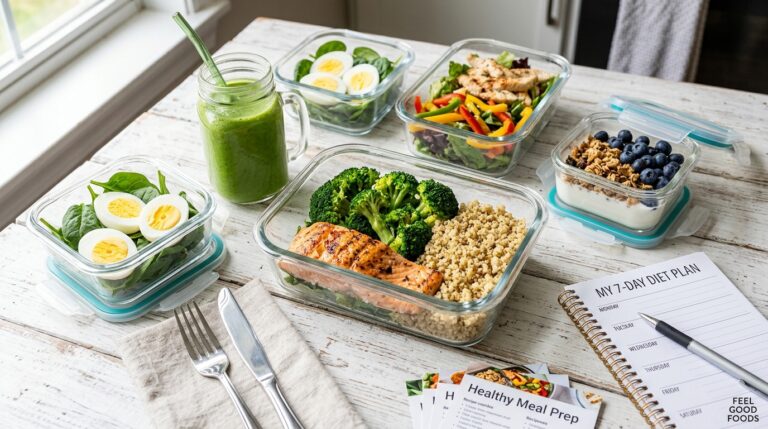
- Batch Cook Staples: Spend 90 minutes on a Sunday roasting two large pans of mixed vegetables (such as zucchini, red onion, and cauliflower) and cooking a large pot of quinoa or brown rice. Store them in airtight glass containers.
- Pre-Portion Proteins: Marinate chicken breasts, tofu blocks, or fish fillets in advance so they are ready to cook in under fifteen minutes during busy weeknights.
- Master 3-Ingredient Dressings: Store-bought salad dressings are frequently loaded with hidden sugars and poor-quality oils. Whisk together extra virgin olive oil, an acid (lemon juice or apple cider vinegar), and a pinch of salt and pepper for a fresh dressing that elevates any meal.
- Keep Emergency Pantry Essentials: Stock your pantry with canned wild tuna, canned black beans, organic lentils, raw nuts, and frozen berries. These items allow you to put together a nutritious meal in minutes even when your fresh groceries run low.
The Mindful Connection: How You Eat Matters
Healthy eating extends beyond the specific foods on your plate; the environment and mindset in which you consume your food play an equally critical role. Eating while stressed, rushing through lunch at your desk, or scrolling through your phone puts your body into a sympathetic (“fight or flight”) state. This impairs the secretion of digestive enzymes and can cause bloating, acid reflux, and poor nutrient absorption.
To practice mindful eating:
- Sit down at a table without digital distractions.
- Take two deep breaths before your first bite to transition into a parasympathetic (“rest and digest”) state.
- Chew your food thoroughly—aiming for 20 to 30 chews per bite—to ease the workload on your stomach.
- Pay attention to the textures, aromas, and flavors of your food.
By pairing mindful habits with whole, nutrient-dense foods—and concluding your days with grounding rituals like a quiet cup of cinnamon tea—you build a sustainable lifestyle rooted in kitchen self-care, energy, and lasting health.