The Ultimate Guide to Finding Your Perfect Nude Lipstick for Every Skin Tone
The Ultimate Guide to Finding Your Perfect Nude Lipstick for Every Skin Tone
Nude lipstick is the ultimate staple in modern beauty. It is versatile, effortlessly chic, and capable of pulling together a full glam look or enhancing a “no-makeup” makeup routine. Yet, despite its universal appeal, finding the ideal nude shade remains one of the most common challenges in beautyhttps://glowingcave.com/2026/07/23/sheetmask-guide-benefits-and-how-to-use-them-right/.
A shade that looks like a subtle, sophisticated MLBB (“My Lips But Better”) on one person can easily look washed out, chalky, or overly brown on another. That is because “nude” is not a single color—it is a personal spectrum defined by your skin tone, undertones, and natural lip pigmentation.
This comprehensive guide breaks down everything you need to know about nude lipstick, from decoding skin undertones to choosing finishes and mastering application techniques.
What Is Nude Lipstick?
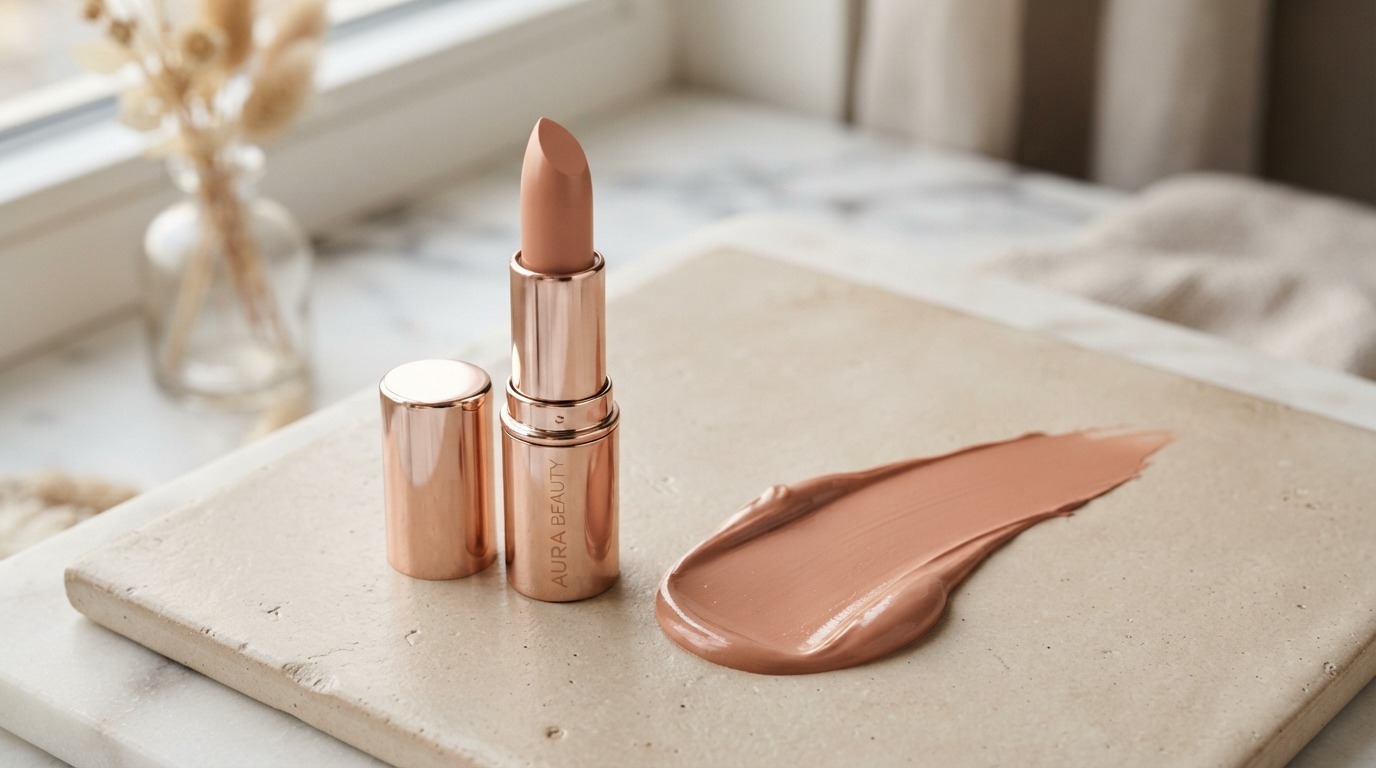
At its core, a nude lipstick is designed to mimic, complement, or subtly enhance the natural pigmentation of your lips rather than overpower it with vibrant hue. Unlike bold red or berry lipsticks, a true nude creates balance across your facial features.
Historically, the beauty industry defined “nude” through a narrow lens, offering limited beige options that worked almost exclusively for light complexions. Today, the landscape has expanded. Modern nude shades range from soft peach, rose, and mauve to warm caramel, rich chocolate, and deep espresso tones, ensuring every skin tone has a flattering match.
Step 1: Decode Your Skin Tone and Undertone
Finding your best nude shade begins with two key factors: your skin tone (how light or dark your complexions is) and your undertone (the subtle warm, cool, or neutral hue beneath the skin surface).
   SKIN UNDERTONES
   ├── Warm (Yellow, Golden, Olive)   ──> Peachy nudes, warm caramels, terracotta
   ├── Cool (Pink, Red, Blue)         ──> Rose nudes, mauves, soft berries
   └── Neutral (Mix of Warm & Cool)   ──> Dusty rose, muted beige, balanced nude-pink
Determining Your Undertone
- The Vein Test: Look at the veins on your inner wrist in natural light.
- Greenish veins indicate warm undertones.
- Blue or purple veins signal cool undertones.
- A mixture of both suggests neutral undertones.
- The Jewelry Test: Do you look better in silver or gold jewelry?
- Gold flattering your complexion usually points to warm.
- Silver complementing your skin points to cool.
- If both look equally flattering, you likely have neutral undertones.
- Sun Reaction: If you burn easily, you likely have cool undertones. If you tan easily without burning, your undertones are typically warm.
Step 2: Matching Nude Shades to Your Complexion
Once you understand your undertone, match it with your skin depth to find shades that harmonize naturally.
| Complexions | Warm Undertones | Cool Undertones | Neutral Undertones |
| Fair / Light | Peachy beige, warm sand | Soft rosy-pink, cool mauve | Balanced nude-pink, pale beige |
| Medium / Light-Medium | Warm caramel, soft terracotta | Dusty rose, berry-nude | Cinnamon, nude-beige |
| Tan / Olive | Golden caramel, honey nude | Warm brown, rosy mauve | Warm cocoa, rose-taupe |
| Deep / Rich | Chocolate brown, warm bronze | Deep plum-brown, cool espresso | Rich mahogany, chestnut |
Fair to Light Skin Tones
For fair skin, avoid shades that are lighter than your natural skin tone, as they can cause a washed-out, ghostly effect. Look for nudes with soft pink, rose, or peach bases that add life to your face.
- Best tones: Soft dusty pink, peach-beige, and muted rose.
- Pro Tip: Look for formulas with a touch of brightness to keep your complexion glowing.
Medium Skin Tones
Medium skin tones have flexibility, as they can carry both pink-based and brown-based nudeshttps://missrose.com.pk/collections/lipstick?srsltid=AfmBOophYtZmZ8QH2HcrXxIN0kIw47sjG_wFVvJZTriP4YMc7xRSRQPp comfortably.
- Best tones: Mauve-nudes, warm cinnamon, peach, and soft cocoa.
- Pro Tip: Berry-infused or mauve nudes create contrast against warm or golden medium skin tones.
Tan and Olive Skin Tones
Olive complexions carry green and golden undertones, meaning pink nudes can sometimes look ash-toned or gray.
- Best tones: Rich caramel, terracotta, warm bronze, and chocolate-leaning nudes.
- Pro Tip: Steer clear of gray-leaning cool taupes, which can dull olive complexions.
Dark and Deep Skin Tones
Deep complexions require rich, saturated pigments that offer depth and warmth. Pale nude formulas often look chalky or gray on deeper skin.
- Best tones: Espresso, deep chocolate brown, dark mahogany, warm bronze, and plum-nude.
- Pro Tip: Pairing a deeper lip liner with a lighter nude center creates dimension without washing out the lips.
Step 3: Select the Right Lipstick Finish
The finish of your nude lipstick plays a significant role in how the color wears and looks throughout the day.
1. Matte Finish
- Characteristics: High pigment, zero shine, long-lasting.
- Best For: Modern, defined looks and all-day wear.
- Consideration: Can emphasize lip lines or dryness. Ensure lips are well-exfoliated and hydrated before application.
2. Satin / Cream Finish
- Characteristics: Moderate shine, rich hydration, comfortable wear.
- Best For: Daily wear and mature skin, as cream formulas glide smoothly over fine lines.
- Consideration: May require reapplication after eating or drinking.
3. Sheer / Glossy Finish
- Characteristics: Subtle pigment, high shine, plumping visual effect.
- Best For: Beginners, low-maintenance routines, and creating fuller-looking lips.
- Consideration: Lower longevity, requiring touch-ups throughout the day.
How to Apply Nude Lipstick Like a Pro
Applying nude lipstick requires slightly more precision than bold colors because nude shades sit close to your natural skin color, making uneven texture or dry patches more visible.
Rule of Thumb: A nude lipstick should be one to two shades darker or richer than your natural lip color to maintain definition.
- Exfoliate and Prep: Use a gentle lip scrub or damp cloth to smooth away dry skin. Apply a hydrating lip balm, let it absorb for 3–5 minutes, then blot away any excess oil.
- Define with Lip Liner: Choose a lip liner that matches your natural lip color or is one shade darker than your chosen nude lipstick. Outline your lips to establish shape, prevent feathering, and add depth.
- Apply the Lipstick: Apply your nude lipstick from the center of your lips outward.
- Blend the Border: Gently press your lips together or use a lip brush to blend the border between the lip liner and lipstick for a seamless transition.
- Add Dimension (Optional): Dab a touch of gloss or a slightly lighter nude shade to the center of your bottom lip to create the illusion of fuller lips.
3 Common Nude Lipstick Mistakes to Avoid
- Choosing a shade that matches your foundation: A lipstick that matches your exact skin tone erases the natural boundary of your lips, giving a flat, washed-out appearance.
- Ignoring natural lip pigmentation: Your natural lip color bleeds through sheer or cream formulas. If your lips have natural purple or pink tones, factor that in when picking a shade.
- Skipping lip liner on deeper skin tones: On deeper skin tones, using a chocolate or espresso lip liner bridges the gap between a lighter nude center and the natural lip edge, preventing an overly stark contrast.
Summary Checklist for Finding Your Nude
- [ ] Determine if your undertone is Warm, Cool, or Neutral.
- [ ] Pick a shade that is 1–2 shades darker than your natural lip color.
- [ ] Choose a formula (Matte, Satin, or Gloss) based on your comfort preference.
- [ ] Pair with a slightly deeper lip liner for added structure and depth