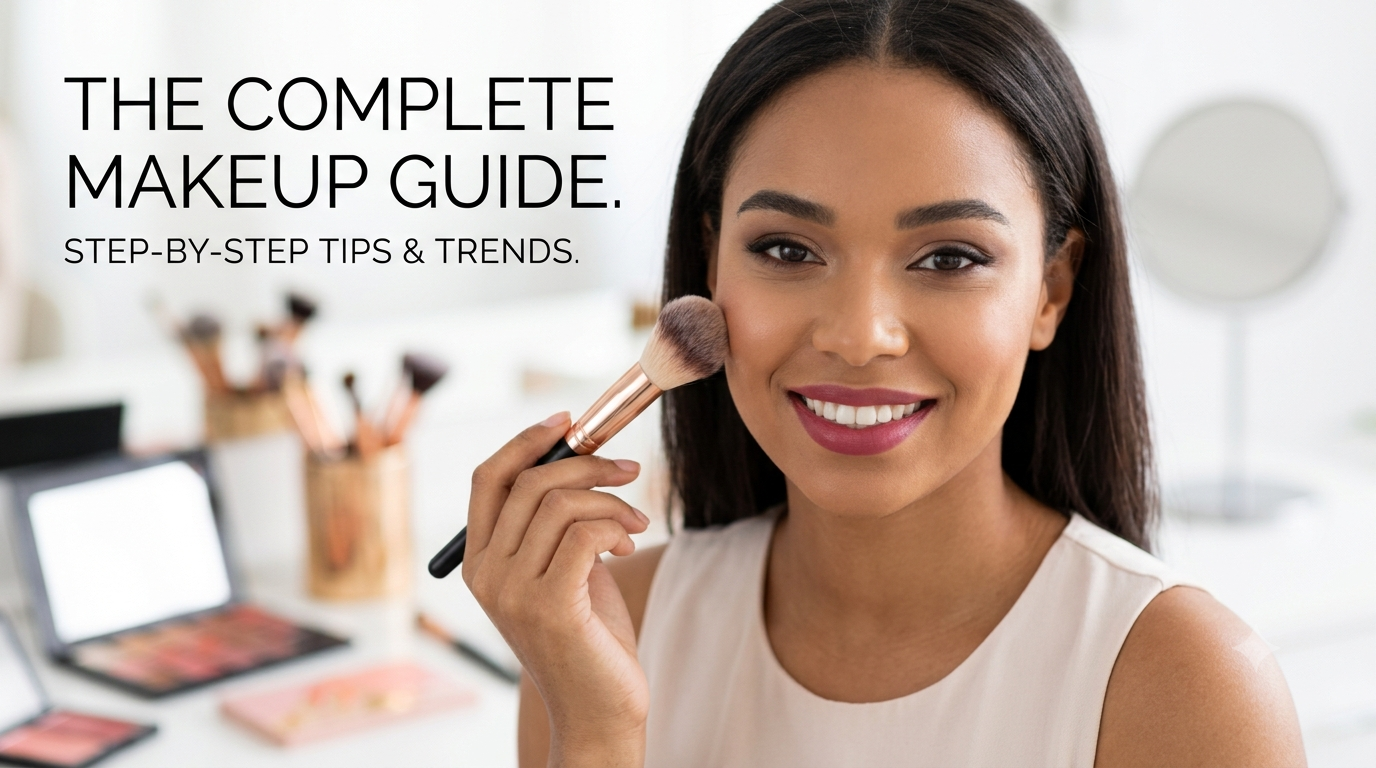
The Complete Guide to Makeup: Step-by-Step Application
Makeup is far more than a superficial daily routine; it is a transformative art form, a historical staple, and a powerful medium for self-expression. From the kohl-lined eyes of ancient Egyptian pharaohs to the hyper-creative, avant-garde looks dominating today’s social media algorithms, makeup has evolved dramatically. Today, the beauty industry is not just about concealing perceived flaws; it is about empowerment, creativity, and celebrating individuality.
Whether you are a complete beginner staring overwhelmed at the aisles of a beauty supply store, or an experienced enthusiast looking to refine your techniques, understanding the fundamentals of makeup is essential. This comprehensive guide will walk you through everything you need to know—from meticulously preparing your skin to mastering the latest trendshttps://www.google.com/—ensuring your makeup looks flawless, lasts all day, and makes you feel exceptionally confident.
The Foundation of Flawless Makeup: Skincare Preparation
The most closely guarded secret of professional https://glowingcave.com/2026/07/12/the-ultimate-guide-to-a-holistic-beauty-routine-clean-skincare-wellness/makeup artists is surprisingly simple: flawless makeup begins with flawless skincare. Applying makeup to unwashed, dry, or textured skin is akin to painting on an uneven, dusty canvas. To achieve a smooth, long-lasting finish, a strategic skincare regimen is non-negotiable.
1. Cleansing and Exfoliating
Before a single drop of makeup touches your face, your skin must be entirely clean. A gentle, pH-balanced cleanser removes excess sebum, environmental pollutants, and remnants of yesterday’s skincare. Two to three times a week, incorporate a chemical exfoliant (such as an AHA or BHA) to slough away dead skin cells. This prevents foundation from clinging to dry patches and reduces the likelihood of product pilling (when makeup rolls up into tiny balls on the skin).
2. Hydration is Key
Regardless of your skin type—yes, even if you are incredibly oily—moisturizer is mandatory. For dry skin, opt for rich, ceramide-heavy creams that provide a plump, deeply hydrated base. For oily or acne-prone skin, lightweight, oil-free gel moisturizers provide necessary hydration without clogging pores or exacerbating shine. Allow your moisturizer to absorb fully into the skin for at least three to five minutes before proceeding.
3. The Power of Primer
Primer acts as the crucial barrier between your skincare and your makeup. It smooths the skin’s texture, blurs the appearance of enlarged pores, and gives your foundation something to grip onto.
- Mattifying Primers: Ideal for oily skin, these contain ingredients like silica or salicylic acid to control sebum production.
- Hydrating Primers: Perfect for dry skin, usually formulated with hyaluronic acid or glycerin to impart a dewy glow.
- Color-Correcting Primers: Green-tinted primers neutralize redness, while peach or orange-tinted primers cancel out dark circles and hyperpigmentation.
Decoding Face Makeup: Building the Base
The “base” refers to the products that even out your skin tone and provide structure to your face. The goal is to enhance your natural complexion, not to mask it entirely.
Understanding Undertones
Before purchasing a foundation or concealer, you must identify your skin’s undertone. Your surface skin color can change with sun exposure, but your undertone remains constant.
- Cool Undertones: Skin has hints of pink, red, or blue. (Veins on your wrist appear blue/purple).
- Warm Undertones: Skin has hints of yellow, peach, or golden. (Veins appear green).
- Neutral Undertones: A balance of both cool and warm. (Veins appear a mix of blue and green).
Foundation
Foundation is the cornerstone of your makeup routine. It comes in various formulas: liquid, cream, powder, and serum. If you prefer a natural, breathable look, skin tints or BB/CC creams offer sheer to light coverage. For formal events or photography, a medium-to-full coverage liquid foundation is ideal. Apply foundation using a damp beauty sponge for a seamless, airbrushed finish, or a dense synthetic brush for maximum coverage. Always blend down your neck to avoid a harsh line of demarcation.
Concealer
Concealer serves a dual purpose: hiding blemishes and brightening specific areas. Use a concealer that matches your foundation exactly to cover acne scars or redness. To brighten the under-eye area and bring light to the center of your face, use a concealer one to two shades lighter than your skin tone. Apply it in an inverted triangle shape under the eyes, down the bridge of the nose, and on the center of the forehead.
Setting the Base
To ensure your cream and liquid products do not crease or melt away, they must be set with powder. Translucent setting powder is universally flattering. Use a fluffy brush for a light dusting over the entire face, or a powder puff to press the product into areas prone to creasing, such as the under-eyes and smile lines (a technique known as “baking”).
Sculpting and Warming: Bronzer, Contour, and Blush
Once your base is even, your face can look somewhat flat. The next step is reintroducing dimension, shadow, and a healthy flush of color.
Contour vs. Bronzer
Many people confuse contour and bronzer, but they serve entirely different cosmetic purposes.
- Contour mimics the natural shadows of your face. It should be a cool-toned, matte product applied to the hollows of the cheeks, the jawline, and the sides of the nose to sculpt and define bone structure.
- Bronzer mimics where the sun naturally hits your face. It is typically warm-toned and can contain subtle shimmer. Apply it to the high points of your cheeks, your temples, and across the bridge of your nose for a sun-kissed glow.
Blush and Highlighter
Blush breathes life and youthfulness back into the complexion. Cream and liquid blushes melt beautifully into the skin for a natural, “lit-from-within” look, while powder blushes offer longevity. Placement matters: applying blush to the apples of your cheeks creates a youthful, rounded look, whereas applying it higher up on the cheekbones lifts the face.
Highlighter catches the light to give your skin a radiant finish. Apply a champagne, gold, or pearlescent highlighter to the very tops of your cheekbones, the tip of your nose, the inner corners of your eyes, and your Cupid’s bow.
The Eyes: Windows to the Soul
Eye makeup is where artistry and creativity truly shine. Depending on your mood, you can opt for a subtle, natural enhancement or a dramatic, smoky focal point.
Eyeshadow Basics
A basic, foolproof eyeshadow look requires three shades:
- The Transition Shade: A matte shade slightly darker than your natural skin tone, swept back and forth in the crease of your eye using a fluffy blending brush. This creates a seamless gradient.
- The Lid Shade: A lighter, often shimmery shade patted onto the center of the eyelid to make the eyes pop.
- The Depth Shade: A darker matte shade applied to the outer “V” of the eye to add dimension and drama.
Eyeliner and Mascara
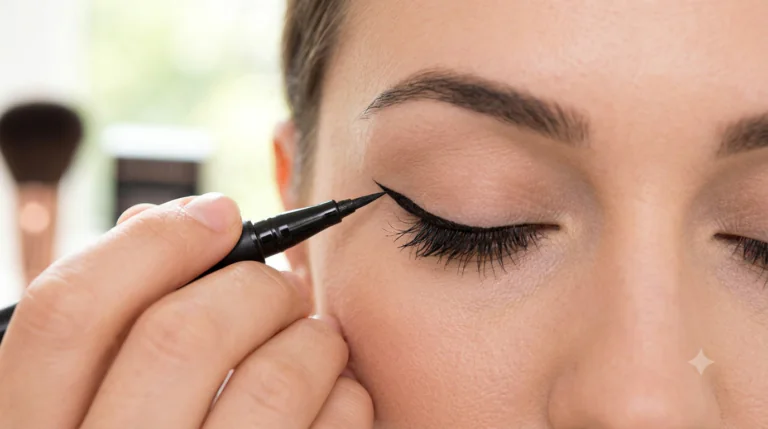
Eyeliner defines the lash line and can alter the perceived shape of your eyes. A sharp, black liquid winged eyeliner elongates the eye for a classic cat-eye effect. Smudged brown or plum pencil liner offers a softer, more romantic look.
Mascara is the finishing touch that ties an eye look together. Always curl your lashes before applying mascara to open up the eyes. Wiggle the mascara wand at the base of your lashes and pull upward to ensure maximum volume and separation.
Eyebrows
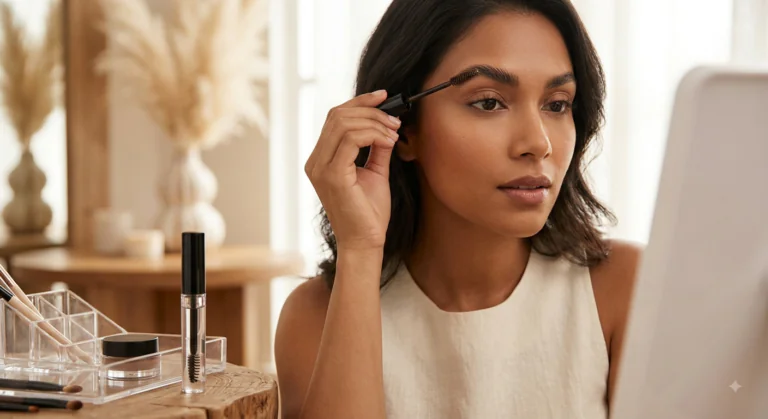
Eyebrows frame the entire face and can completely change your expression. For sparse brows, use a micro-fine brow pencil to draw hair-like strokes. For naturally thick brows, a tinted brow gel is often enough to brush the hairs into place and add subtle definition. The current trend favors fluffy, natural-looking brows over the harsh, blocky brows of the 2010s.
The Lips: Perfecting the Pout
Lip makeup can range from a simple swipe of clear gloss to an intricate, multi-step contouring process.
- Lip Liner: Lip liner is essential for preventing lipstick from feathering or bleeding outside the lip lines. It can also be used to subtly over-line the lips for a fuller appearance. Always match your liner to your natural lip color or to the lipstick you are using.
- Lipstick Formulas: Matte lipsticks offer incredible staying power but can be drying; always exfoliate and moisturize your lips beforehand. Satin and cream lipsticks provide comfortable, pigmented wear with a slight sheen.
- Lip Gloss: Gloss can be worn alone for a juicy, hydrated look, or layered over lipstick to add volume and dimension to the center of the lips.
Essential Makeup Tools You Need
The best makeup in the world will look subpar if applied with poor tools. Building a high-quality, curated toolkit is essential for a flawless application.
- The Beauty Sponge: An absolute must-have for blending liquid foundations and concealers seamlessly. It must be used damp; when wet, the sponge expands and bounces softly against the skin, pressing the product in without absorbing too much of it.
- Fluffy Blending Brush: The most important eye brush you can own. It has soft, dispersed bristles designed to diffuse eyeshadow in the crease so there are no harsh lines.
- Flat Shader Brush: A dense, flat brush used to pack shimmer or metallic eyeshadow directly onto the lid.
- Angled Brush: Essential for filling in eyebrows with powder or pomade, or for applying gel eyeliner.
- Tapered Face Brush: Perfect for applying bronzer, blush, and targeted setting powder.
Top Makeup Trends Shaping the Industry
The beauty landscape is constantly shifting, influenced by pop culture, fashion weeks, and social media platforms.
- The “Clean Girl” Aesthetic: This trend emphasizes minimalism. It focuses on highly prepped, glowing skin, brushed-up feathery brows, subtle cream blush, and glossy lips. It is makeup designed to look like you are barely wearing any makeup at all.
- Skincare-Makeup Hybrids: Consumers are demanding more from their products. Foundations now feature serums, hyaluronic acid, and SPF. Makeup is no longer just cosmetic; it is an extension of skincare.
- Bold Graphic Liner: Moving away from the traditional cat-eye, people are experimenting with floating creases, neon colors, and abstract shapes drawn with precision liquid liners.
- Sustainability: As environmental awareness grows, consumers are gravitating toward brands that offer refillable packaging, cruelty-free testing, and ethically sourced, vegan ingredients.
The Crucial Final Step: Proper Removal
The true test of a beauty enthusiast is not just how they apply makeup, but how they remove it. Sleeping in makeup is one of the most damaging things you can do to your skin. It traps dirt and dead skin cells, leading to clogged pores, acne breakouts, and premature aging due to collagen breakdown.
The gold standard for removal is the Double Cleanse Method.
- Step One: Use an oil-based cleansing balm or cleansing oil. Oil dissolves oil, effectively breaking down waterproof mascara, long-wear foundation, and sunscreen without requiring aggressive scrubbing. Massage it onto dry skin, then rinse with warm water.
- Step Two: Follow up with a traditional water-based facial cleanser to wash away any remaining residue and cleanse the actual skin beneath.
In conclusion, makeup is an incredibly versatile tool. It can act as a shield of armor on days you need extra confidence, or as a vibrant palette for your innermost creativity. By understanding your skin type, mastering the foundational techniques, and investing in the right tools, you can navigate the beauty world with ease. Remember, there are no strict rules in makeup—only techniques. Once you learn the rules, you have every right to break them and create a style that is distinctly and beautifully your own.