

Semaglutide Weight Loss: The Secret Behind the Buzz—and What You Need to Know Before Trying It
The Weight-Loss Drug Everyone Is Talking About
What if controlling hunger—not simply exercising harder—could change the way you approach weight loss?
That question has helped make semaglutide weight loss one of the most discussed topics in modern obesity treatment. Semaglutide belongs to a class of medicines called GLP-1 receptor agonists. One FDA-approved version, Wegovy, is indicated for chronic weight management in certain adults and adolescents with obesity, alongside a reduced-calorie diet and increased physical activity.
But there is an important detail behind the headlines: semaglutide is a prescription medication, not a shortcut or ordinary diet supplement.
So how does semaglutide actually work? How much weight can people lose? And what are the risks hiding behind the impressive numbers?
Let’s take a closer look.
What Is Semaglutide?
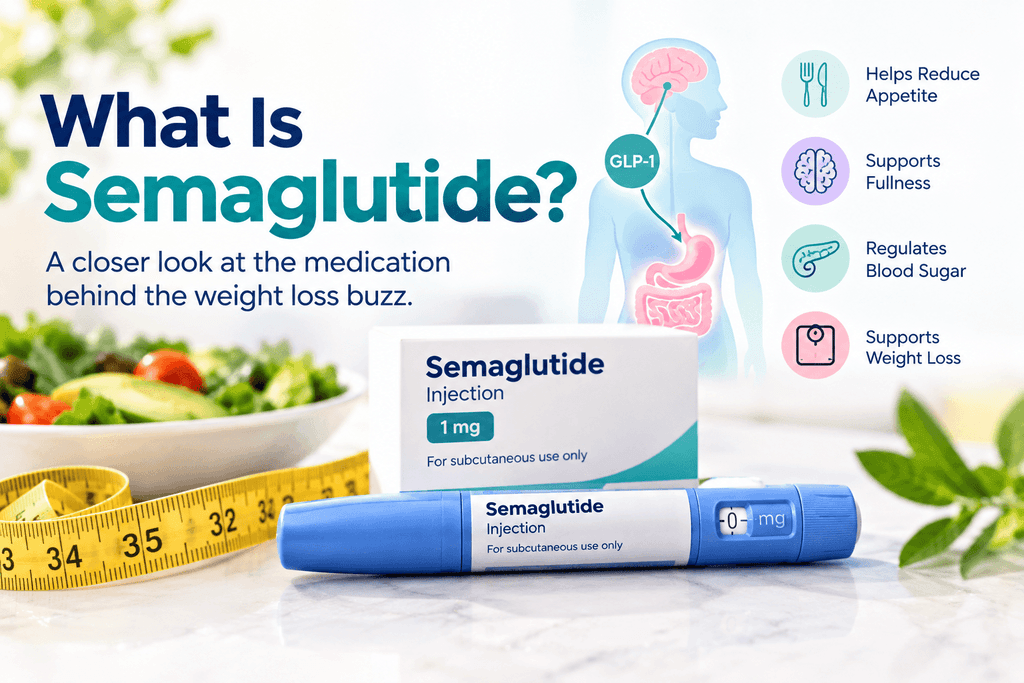
Semaglutide is a medication that acts on pathways associated with glucagon-like peptide-1 (GLP-1), a hormone involved in appetite and food intake.
The medication can influence appetite-regulating areas of the brain, helping some people feel less hungry and fuller sooner. This can make it easier to reduce food intake while following a structured weight-management plan.
Semaglutide is used under different brand names and formulations for different medical purposes. For weight management, Wegovy is an FDA-approved semaglutide product. Other semaglutide products have different approved indications, so they should not automatically be considered interchangeable for weight loss.
This distinction matters because social media often makes all GLP-1 medications sound identical when their approved uses, formulations and dosing instructions can differ.
How Does Semaglutide Help With Weight Loss?
The interesting part of semaglutide isn’t simply that it is a medication. It’s how it can affect appetite and eating behavior.
Many people trying to lose weight struggle with persistent hunger, cravings or difficulty feeling satisfied after eating. Because GLP-1 pathways are involved in appetite regulation, semaglutide can help reduce appetite and food intake in some patients.
When combined with healthy eating and physical activity, that reduction in appetite can contribute to meaningful weight loss.
However, semaglutide does not magically burn away body fat overnight. Weight loss generally occurs over time, and individual results vary.
That is one reason medical supervision is important. A healthcare professional can consider your health history, medications, weight-related conditions and potential risks before determining whether treatment is appropriate.
How Much Weight Can You Lose With Semaglutide?
This is where the research gets particularly interesting.
In the large STEP 1 clinical trial, 1,961 adults with obesity or overweight plus a weight-related condition, but without diabetes, were randomly assigned to once-weekly semaglutide 2.4 mg or placebo for 68 weeks. Both groups also received lifestyle intervention.
The average body-weight change was approximately 14.9% with semaglutide compared with 2.4% with placebo at week 68.
The study also found that 86.4% of participants receiving semaglutide achieved at least 5% weight loss, while 69.1% achieved at least 10% and 50.5% achieved at least 15% weight loss.
Those numbers explain much of the excitement surrounding semaglutide.
But they should not be interpreted as a guarantee. Clinical-trial averages describe groups of people, not what every individual will experience.
Your results may differ because weight loss is influenced by factors such as genetics, eating patterns, physical activity, underlying health conditions, medications and treatment adherence.
Who May Be Considered for Semaglutide Weight Management?
Prescription weight-management medications are generally considered for people who have overweight or obesity and may have health problems related to excess weight.
The National Institute of Diabetes and Digestive and Kidney Diseases notes that healthcare professionals may consider weight-management medication for adults with a BMI of 30 or greater, or a BMI of 27 or greater when weight-related health problems are present.
That does not mean everyone meeting a BMI threshold should automatically take semaglutide.
BMI is only one factor. A healthcare professional may also consider your medical history, current medications, potential benefits, possible side effects, family history and other circumstances.
Semaglutide Is Not a Replacement for Healthy Habits
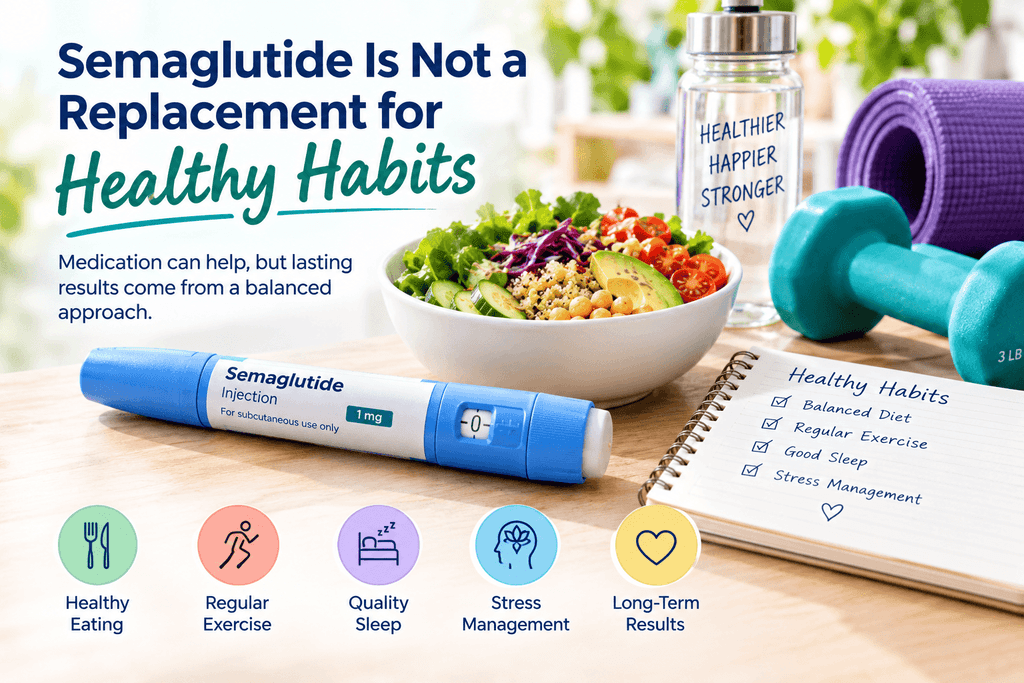
One of the biggest misconceptions about semaglutide weight loss is that medication makes diet and exercise unnecessary.
It doesn’t.
NIDDK explains that weight-management medications work best when combined with lifestyle interventions, including healthy eating and physical activity.
Think of medication as one part of a broader treatment strategy rather than the entire strategy.
A sustainable plan may include:
- Nutrient-dense meals
- Appropriate portion sizes
- Adequate protein and fiber
- Regular physical activity
- Strength training
- Sufficient sleep
- Stress management
- Ongoing medical follow-up
These habits can remain important even if medication is prescribed.
What Are the Common Side Effects?
The impressive weight-loss results come with an important trade-off: semaglutide can cause side effects.
According to the FDA prescribing information for Wegovy, commonly reported adverse reactions include nausea, diarrhea, vomiting, constipation and abdominal pain. Other reported reactions include headache, fatigue, dizziness, indigestion, abdominal distension, belching, flatulence and gastroesophageal reflux disease.
Digestive symptoms are particularly important because they can affect how comfortable someone feels during treatment.
Some people may experience relatively mild symptoms, while others may experience more significant reactions.
That is why following the prescribing instructions and communicating with a healthcare professional about troublesome symptoms is important.
What Are the More Serious Risks?
Semaglutide is not appropriate for everyone.
The FDA prescribing information carries a boxed warning concerning thyroid C-cell tumors observed in rodents. It states that it is unknown whether semaglutide causes these tumors in humans. Wegovy is contraindicated in people with a personal or family history of medullary thyroid carcinoma (MTC) or in people with Multiple Endocrine Neoplasia syndrome type 2 (MEN 2).
The prescribing information also contains warnings concerning conditions including pancreatitis, gallbladder disease, hypoglycemia when used with certain diabetes medications, acute kidney injury associated with volume depletion, severe gastrointestinal reactions and hypersensitivity reactions.
People with severe gastroparesis are another group for whom Wegovy is not recommended.
These risks are precisely why semaglutide should be used under appropriate medical supervision rather than obtained from an unreliable source.
What Happens When You Stop Semaglutide?
Here’s another part of the story that often gets overlooked.
Weight management is not necessarily finished when the scale reaches a particular number.
NIDDK notes that people will probably regain some weight after stopping weight-management medication. Maintaining healthy eating patterns and physical activity may help reduce the amount of weight regained.
This doesn’t mean medication has failed.
Instead, it highlights an important fact about obesity and weight management: maintaining weight loss can require long-term strategies.
For some people, a healthcare professional may recommend continuing medication when the treatment is beneficial and tolerated. Treatment decisions should be individualized rather than based on a predetermined timeline.
What About Compounded Semaglutide?
This is an especially important issue because compounded semaglutide has received significant attention.
The FDA has reported dosing errors associated with compounded injectable semaglutide, including cases where patients required medical attention or hospitalization. Problems have included confusion involving different concentrations and measurement units.
In 2026, the FDA also reported concerns about fraudulent compounded GLP-1 products and stated that it had received reports of adverse events associated with compounded semaglutide.
For consumers, the lesson is simple: don’t assume that a product marketed online as “semaglutide” is equivalent to an FDA-approved medication.
Discuss the source and formulation with a qualified healthcare professional and obtain prescription medication through legitimate channels.
Is Semaglutide a Miracle Weight-Loss Solution?
The research shows that semaglutide can produce substantial weight loss for many people when used as part of an appropriate treatment program.
But calling it a “miracle” misses the bigger picture.
Semaglutide is a prescription drug with potential benefits, side effects, contraindications and ongoing treatment considerations.
It may be an important option for eligible people with obesity or overweight and related health concerns. It is not designed simply as a cosmetic shortcut for anyone who wants to lose a few pounds.
The goal of medical weight management is not merely to make the number on a scale smaller. It is to improve health, reduce weight-related risks and support sustainable changes.
The Bottom Line on Semaglutide Weight Loss
Semaglutide has changed the conversation around medical weight management because clinical research has demonstrated substantial average weight loss in appropriately selected patients.
Its effects are connected largely to appetite regulation and reduced food intake, and the medication is intended to be used alongside lifestyle measures rather than instead of them.
At the same time, semaglutide isn’t suitable for everyone. Side effects and serious warnings need to be considered, and people with certain medical histories should not use Wegovy.
If you’re considering semaglutide for weight loss, the most important first step isn’t ordering a product online or copying someone else’s dose.
It’s having a conversation with a qualified healthcare professional who can determine whether this type of treatment is appropriate for you.
The real secret behind semaglutide weight loss isn’t a magic injection—it is the combination of evidence-based treatment, medical supervision and sustainable lifestyle changes.
Frequently Asked Questions About Semaglutide Weight Loss
1. What is semaglutide used for weight loss?
Semaglutide is a prescription medication that can be used as part of a comprehensive weight-management plan for eligible people with obesity or overweight and certain weight-related health conditions. It works through GLP-1 pathways that influence appetite and food intake. FDA-approved semaglutide products have specific indications, so the product and formulation matter.
2. How does semaglutide help you lose weight?
Semaglutide can reduce appetite and food intake, which may help people consume fewer calories. In a major clinical trial, semaglutide 2.4 mg combined with lifestyle intervention produced greater average weight loss than placebo over 68 weeks.
3. How much weight can you lose with semaglutide?
Weight loss varies from person to person. In the STEP 1 clinical trial, adults receiving once-weekly semaglutide 2.4 mg alongside lifestyle intervention experienced an average weight reduction of 14.9% after 68 weeks, compared with 2.4% with placebo. This study result should not be interpreted as a guarantee for an individual.
4. How quickly does semaglutide start working for weight loss?
Weight loss can begin during treatment, but meaningful results generally develop over time rather than immediately. In the STEP 1 trial, weight loss was observed from the first post-randomization assessment at week 4 and continued over the study period.
5. What are the most common side effects of semaglutide?
Common side effects associated with Wegovy include nausea, diarrhea, vomiting, constipation and abdominal pain. Other reported effects include headache, fatigue, dizziness, indigestion, bloating, belching, gas and acid reflux.
6. Is semaglutide safe for everyone?
No. Semaglutide is not appropriate for everyone. For example, Wegovy is contraindicated in people with a personal or family history of medullary thyroid carcinoma (MTC), people with Multiple Endocrine Neoplasia syndrome type 2 (MEN 2), and people with a known serious hypersensitivity to semaglutide or its ingredients. It also carries warnings for several other medical conditions and adverse reactions.
7. Can you take semaglutide without diet and exercise?
Semaglutide for chronic weight management is intended to be used alongside lifestyle measures such as a reduced-calorie diet and increased physical activity. Clinical research demonstrating weight loss has evaluated semaglutide together with lifestyle intervention.
8. Does semaglutide burn fat?
Semaglutide does not work simply as a direct “fat-burning” drug. Its weight-loss effects are strongly associated with reduced appetite and energy intake. Clinical studies have demonstrated significant reductions in body weight when semaglutide is used as part of a weight-management program.
9. Can you regain weight after stopping semaglutide?
Weight management can require ongoing treatment and lifestyle strategies. People considering stopping semaglutide should discuss the decision with their healthcare professional rather than stopping or changing treatment independently. Individual weight changes after discontinuation can vary.
10. Is semaglutide the same as Ozempic?
Ozempic and Wegovy both contain semaglutide, but they are FDA-approved for different indications and have different labeling. Ozempic is approved for certain adults with type 2 diabetes, while Wegovy has specific indications that include chronic weight management in eligible patients. They should not be treated as interchangeable simply because they contain the same active ingredient.
11. Can you buy semaglutide online without a prescription?
Consumers should be cautious about websites selling semaglutide without appropriate medical oversight. The FDA warns about unapproved GLP-1 products and recommends obtaining a prescription from a healthcare professional and filling it through a state-licensed pharmacy.
12. Is compounded semaglutide the same as FDA-approved semaglutide?
Not necessarily. Compounded medications are not FDA-approved in the same way as FDA-approved products, and the FDA has raised concerns about unapproved GLP-1 products. Patients should discuss whether a compounded medication is appropriate with a healthcare professional and obtain it through a legitimate pharmacy.
13. Who should talk to a doctor before using semaglutide for weight loss?
Anyone considering prescription semaglutide should discuss their medical history, current medications and weight-management goals with a qualified healthcare professional. Extra caution is important for people with certain gastrointestinal, pancreatic, gallbladder, kidney, eye or other medical conditions because the prescribing information includes specific warnings and precautions.
14. Is semaglutide a permanent weight-loss solution?
Semaglutide should be viewed as part of a medical weight-management strategy rather than a guaranteed permanent solution. Long-term weight management can involve medication, nutrition, physical activity and ongoing medical care. Treatment duration should be determined with a healthcare professional.
15. What is the most important thing to know about semaglutide weight loss?
Semaglutide can produce substantial weight loss in appropriately selected patients, but results vary and the medication has important safety considerations. It should be used according to its prescribing information and under appropriate medical supervision rather than as a self-directed weight-loss shortcut.