Liver Detox Tea: The Hidden Truth About Cleansing Your Liver Naturally
Liver Detox Tea: The Hidden Truth About Cleansing Your Liver Naturally
Have you ever wondered whether a simple cup of herbal tea can help your liver stay healthy—or whether popular detox drinks promise more than they deliver? Liver detox tea has become a popular wellness trend, with many people turning to herbal blends in the hope of supporting digestion, improving daily habits, and protecting their liver.
But there is an important fact that many detox tea advertisements leave out: your liver already has its own natural detoxification system. Before choosing a liver cleansing tea, it helps to understand what these drinks contain, what science actually supports, and which ingredients may carry unexpected risks.
In this guide, we explore liver detox tea, its potential benefits, common ingredients, preparation methods, safety concerns, and practical ways to support long-term liver health.
What Is Liver Detox Tea?
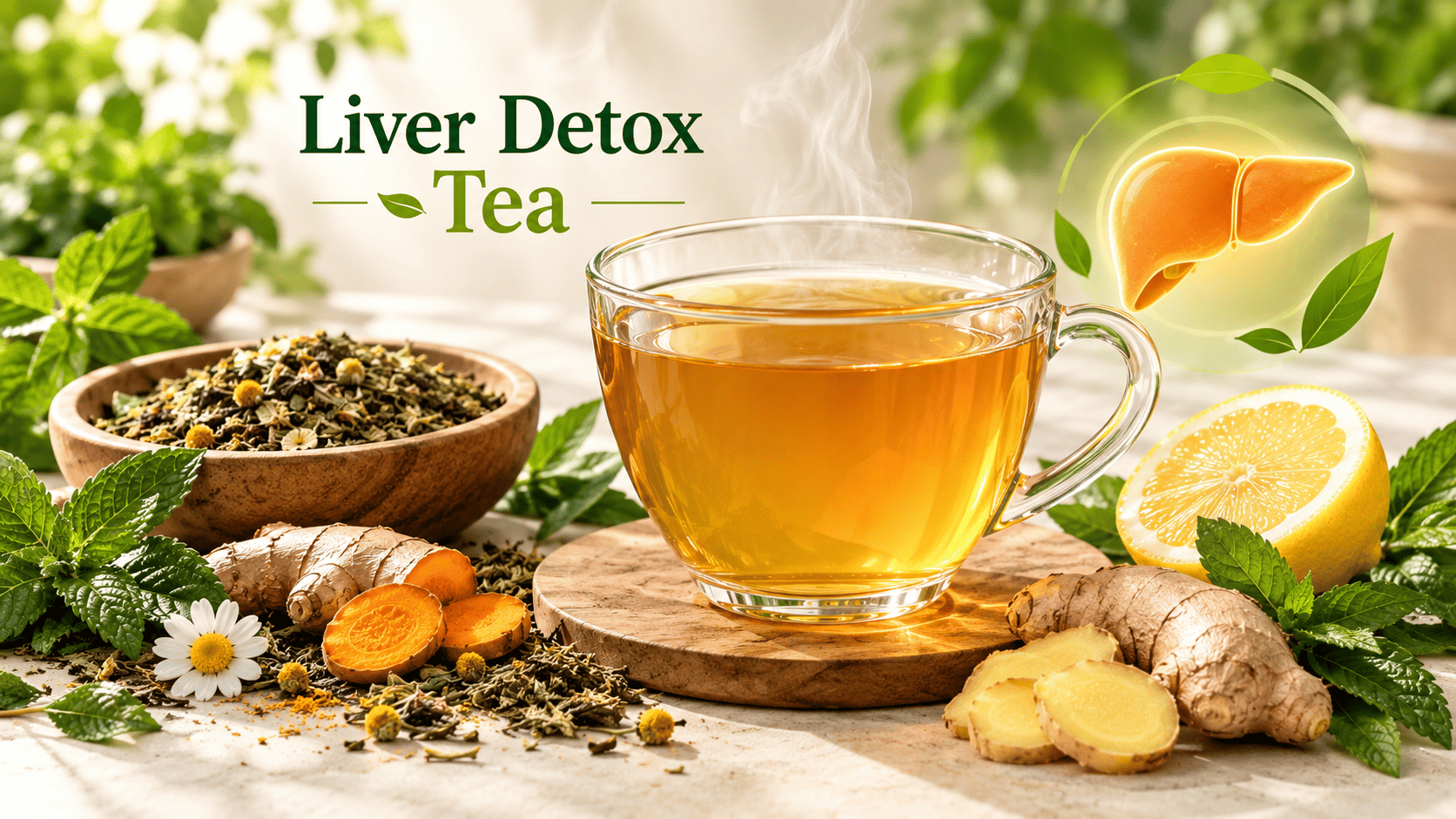
Liver detox tea is a beverage made from herbs, leaves, spices, or plant extracts marketed for liver cleansing or general wellness. Depending on the product, it may contain green tea, ginger, turmeric, dandelion root, peppermint, milk thistle, or other botanical ingredients.
These teas are available as loose-leaf blends, tea bags, powders, and concentrated supplements. Some are marketed as everyday herbal drinks, while others promise to flush toxins, reduce bloating, or help with weight loss.
However, the term “liver detox tea” is primarily a marketing label. There is no single standardized formula, and products can differ considerably in their ingredients, strength, and safety.
Research has not established that detox teas can remove unspecified toxins from the liver or reverse liver damage. According to the National Center for Complementary and Integrative Health, evidence supporting commercial detox and cleansing programs is limited, and some products can be harmful.
How Does Your Liver Naturally Detoxify the Body?
Your liver performs hundreds of essential functions. It processes nutrients, breaks down many medications and other substances, produces bile to help digest fats, and transforms certain waste products so the body can eliminate them.
The liver works alongside other organs, including the kidneys and digestive system, to maintain the body’s normal internal balance.
This is why a special cleansing drink is not generally necessary for a healthy liver. Instead of relying on a short detox program, people can focus on everyday habits that support overall health.
If you have an underlying liver condition, such as fatty liver disease or hepatitis, a tea cannot replace appropriate medical evaluation and treatment.
Potential Benefits of Liver Detox Tea
Although liver cleansing claims are often exaggerated, some ordinary herbal teas may be enjoyable additions to a balanced lifestyle.
1. Helps You Stay Hydrated
Drinking unsweetened herbal tea can contribute to your daily fluid intake. Staying hydrated supports normal bodily functions, including digestion and kidney function.
However, hydration should not be confused with removing toxins from the liver. There is no evidence that drinking large quantities of detox tea cleanses the liver more effectively than drinking adequate fluids.
2. May Replace Sugary Drinks
Replacing sugar-sweetened beverages with unsweetened tea can reduce added sugar and calorie intake.
This may be a useful lifestyle change for people working toward a healthy weight. Maintaining a healthy weight and limiting excess sugar can be particularly important for people at risk of metabolic dysfunction-associated steatotic liver disease, commonly known as MASLD.
The benefit comes mainly from the healthier overall dietary pattern, not from a special cleansing effect.
3. Provides Plant Compounds
Some teas contain naturally occurring plant compounds called polyphenols. Green tea, for example, contains catechins that have been studied for their antioxidant and metabolic effects.
Nevertheless, findings from laboratory studies do not automatically mean that drinking a particular tea will prevent or treat liver disease. Human research on specific products, doses, and long-term outcomes remains limited.
4. Encourages a Relaxing Routine
A warm cup of tea can be a pleasant part of a daily wellness routine. Taking time to relax, eat regular balanced meals, and establish consistent sleep habits may support general well-being.
This is a reasonable lifestyle benefit, but it should not be presented as proof that tea repairs liver cells or removes harmful substances.
Popular Ingredients Found in Liver Detox Tea
Understanding the ingredients is more useful than trusting the word “detox” on a package.
Green Tea

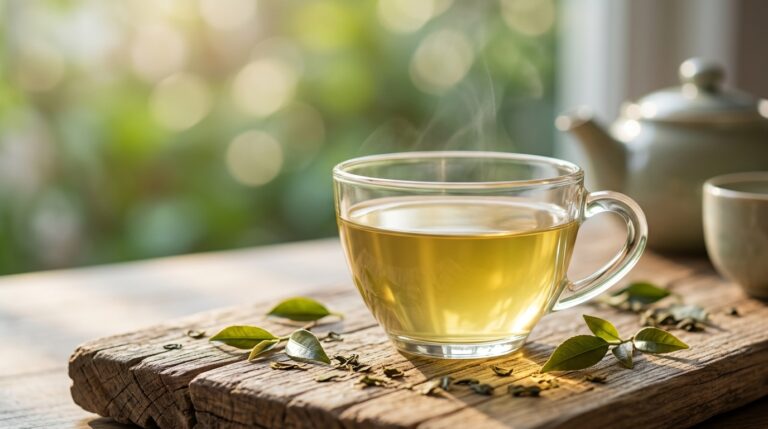
Green tea contains catechins and other plant compounds that researchers have studied for their potential health effects. Unsweetened brewed green tea can be part of a balanced diet.
There is an important distinction between drinking traditionally brewed tea and taking concentrated green tea extract. Concentrated extracts have been associated with liver injury in some people, so they should not be treated as automatically safe simply because they come from tea leaves.
Ginger
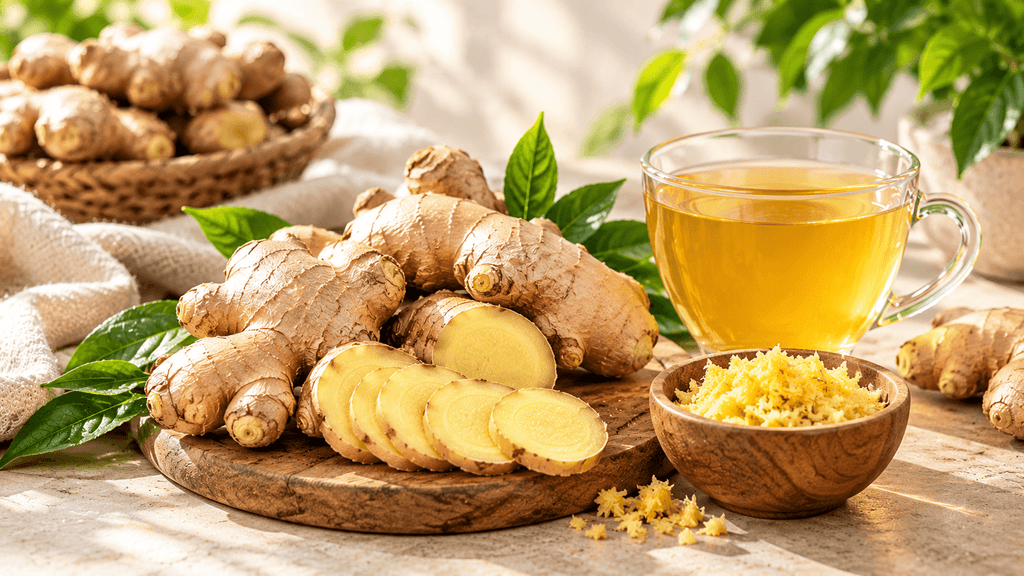
Ginger is commonly used in food and herbal beverages. It gives tea a warming flavor and may help some people with certain types of nausea.
However, evidence does not establish that ginger tea cleanses the liver or treats liver disease. People taking medications should also consider possible interactions, especially when using concentrated ginger supplements rather than ordinary culinary amounts.
Turmeric
Turmeric contains curcumin, a compound studied for its biological effects. Turmeric can be used as a culinary spice, but evidence is insufficient to recommend turmeric tea as a treatment for liver problems.
Some concentrated turmeric or curcumin supplements, particularly certain enhanced-absorption formulations, have been linked to liver injury. People with liver disease should discuss these products with a healthcare professional.
Milk Thistle
Milk thistle is a popular ingredient in products marketed for liver support. Its main studied compounds are collectively known as silymarin.
Despite its popularity, reliable clinical evidence has not established that milk thistle supplements consistently treat liver diseases. Product quality, formulation, and dosage also vary.
Milk thistle tea should not be assumed to provide the same compounds or effects as a standardized extract used in research.
Dandelion Root

Dandelion root is traditionally used in herbal drinks and is sometimes promoted for digestion or fluid balance. However, strong human evidence supporting its use for liver detoxification is lacking.
Dandelion products may interact with certain medicines or be unsuitable for some medical conditions. Ask a healthcare professional before using concentrated herbal products if you take prescription medication.
A Simple Homemade Herbal Tea Recipe
If you enjoy herbal tea, you can prepare a simple beverage without treating it as a medical detox.
Ingredients:
- 1 cup of hot water
- 2–3 thin slices of fresh ginger
- A small squeeze of lemon, if desired
- A little honey, if desired
Instructions:
- Heat the water until hot.
- Add the ginger slices and allow them to steep for approximately 5–10 minutes.
- Strain the tea into a cup.
- Add lemon or a small amount of honey for flavor.
- Allow it to cool to a comfortable drinking temperature.
Enjoy it as an ordinary beverage if the ingredients are appropriate for you. You do not need to drink it on an empty stomach, follow a restrictive diet, or consume several cups daily to obtain a supposed cleansing effect.
This recipe has not been proven to detoxify the liver. If you have a liver condition, take medications, or have been advised to limit particular ingredients, ask your healthcare professional whether this drink is appropriate.
The Hidden Risks of Liver Detox Tea
The biggest misconception about herbal products is that natural automatically means safe. Some detox products contain multiple herbs, concentrated extracts, laxatives, or ingredients whose amounts may be unclear.
1. Possible Liver Injury
Certain herbal and dietary supplements have been associated with liver damage. A product marketed for liver support may therefore pose a risk to the very organ it claims to protect.
The risk depends on the ingredient, dose, formulation, product quality, and individual circumstances.
2. Dehydration and Digestive Problems
Some detox teas contain laxative ingredients intended to increase bowel movements. These can cause diarrhea, abdominal cramps, dehydration, and electrolyte disturbances.
Losing water through bowel movements is not the same as losing body fat or cleansing the liver.
3. Medication Interactions
Herbal ingredients can change how certain medicines work or increase the risk of side effects. This is especially important for people taking prescription medications or managing chronic conditions.
Ask a doctor or pharmacist to review a product’s full ingredient list before using it.
4. Risks During Pregnancy and Breastfeeding
Many herbal products have not been adequately studied during pregnancy or breastfeeding. Concentrated extracts and multi-ingredient detox formulas may have uncertain safety profiles.
Avoid starting a liver detox supplement during these periods without professional guidance.
5. Delayed Medical Treatment
Perhaps the most serious risk is using tea instead of investigating symptoms or treating an underlying disease. Liver problems can sometimes develop without obvious early symptoms, so a detox drink should never be used as a substitute for appropriate medical care.
What Actually Supports Long-Term Liver Health?
Instead of depending on a cleansing product, focus on habits supported by established liver-health guidance.
Eat a Balanced Diet
Include vegetables, fruits, whole grains, legumes, and appropriate sources of protein. Limit excess added sugars, sugary drinks, and foods high in saturated fat.
If you have fatty liver disease, your healthcare professional may recommend individualized dietary changes and gradual weight loss if appropriate.
Maintain a Healthy Weight
Excess body weight and metabolic conditions can increase the risk of fat accumulation in the liver. If weight management is recommended, gradual, sustainable changes are generally preferable to restrictive detox diets.
Limit or Avoid Alcohol
Alcohol can contribute to liver injury. The safest advice depends on your health and drinking history, but people with liver disease should follow their clinician’s recommendations and may need to avoid alcohol completely.
Be Careful With Supplements
Do not assume that a product is safe because it is described as herbal, organic, natural, or liver-friendly. Check ingredients and consult a healthcare professional before taking concentrated extracts.
Get Appropriate Medical Care
If you have risk factors for liver disease, a clinician can determine whether blood tests, imaging, screening, or other evaluation is appropriate. Vaccination against hepatitis A or B may also be recommended for eligible people, depending on their circumstances.
These steps have a stronger basis in established health guidance than unproven detox regimens.
When Should You Seek Medical Advice?
Speak with a healthcare professional if you have concerns about liver health, abnormal liver blood tests, a history of hepatitis, or a diagnosed liver condition.
Seek prompt medical evaluation if you develop yellowing of the eyes or skin, dark urine, pale stools, persistent abdominal swelling, or unexplained ongoing symptoms. Severe abdominal pain, confusion, vomiting blood, or black tarry stools may require emergency care.
Do not attempt to manage these symptoms with herbal tea.
Frequently Asked Questions
1. Does liver detox tea really cleanse the liver?
There is no convincing evidence that commercial detox teas remove unspecified toxins or cleanse a healthy liver. Your liver already performs its own processing and detoxification functions.
2. What is the best tea for liver health?
No tea has been proven to detoxify the liver or cure liver disease. Unsweetened brewed green tea or a simple herbal infusion may be enjoyed as part of a balanced diet, provided the ingredients are suitable for you.
3. Can I drink liver detox tea every day?
Safety depends on the ingredients, concentration, your health, and any medications you take. Ordinary brewed tea differs from concentrated extracts and laxative-containing detox blends. Check with a healthcare professional if you have a medical condition or use medication.
4. Does liver detox tea help with weight loss?
Any short-term reduction on a detox program may reflect changes in fluid balance or calorie intake rather than lasting fat loss. Laxative-containing teas can cause dehydration and are not a safe weight-management strategy.
5. How long does it take to detox the liver?
There is no established detox-tea schedule because these products have not been shown to cleanse the liver. If you have liver disease, recovery depends on the cause, severity, and appropriate treatment.
6. Is homemade liver detox tea safer than commercial tea?
A simple drink made from familiar culinary ingredients may avoid some risks associated with complex commercial formulas, but it is not automatically safe for everyone. Allergies, medication interactions, and individual medical conditions still matter.
7. Can liver detox tea treat fatty liver disease?
No tea has been established as a treatment for fatty liver disease. Evidence-based management may include dietary changes, physical activity, weight management when appropriate, and medical care tailored to the individual.
Final Thoughts
Liver detox tea may sound like a simple shortcut to better health, but the truth is more nuanced. Some unsweetened teas can be enjoyable additions to a balanced lifestyle, yet claims that they flush toxins, repair liver damage, or rapidly burn fat are not supported by convincing evidence.
The smarter approach is to protect your liver through balanced nutrition, healthy weight management, appropriate alcohol limits, careful supplement use, and timely medical care.
Before buying a product advertised as a liver cleanse, read the ingredient list carefully and question promises that sound too good to be true. Your liver needs consistent care—not a quick detox.
Medical disclaimer: This article is for educational purposes only and is not a substitute for individualized medical advice, diagnosis, or treatment.
References
- National Center for Complementary and Integrative Health (NCCIH): “Detoxes” and “Cleanses”—What You Need to Know.
- National Institute of Diabetes and Digestive and Kidney Diseases (NIDDK): Eating, Diet, and Nutrition for NAFLD/NASH.
- Johns Hopkins Medicine: Detoxing Your Liver—Fact Versus Fiction.