
Blue Toner for Orange Hair: The Secret to Fixing Brassy Tones at Home
Introduction
Have you ever lightened your hair, expecting a beautiful blonde or cool brown shade, only to discover unwanted orange tones in the mirror? You’re not alone. Orange and brassy hair are common concerns, especially after bleaching, highlighting, or coloring naturally dark hair.
The good news is that the right blue toner can help neutralize unwanted warmth and create a cooler-looking finish. However, choosing the correct product and using it properly are important for getting the results you want.
In this guide, you’ll discover why hair turns orange, how blue toner works, how to apply it, and how to maintain your hair color for longer.
1. Why Does Hair Turn Orange?

Orange hair usually appears when dark hair is lightened. Natural brown and black hair contain underlying warm pigments that become visible during bleaching or chemical coloring.
When you lighten your hair, these pigments don’t always disappear completely. Instead, your hair may pass through reddish, orange, and yellow stages before reaching a lighter shade.
Several factors can contribute to brassy hair:
- Bleaching dark hair: Dark hair often reveals orange undertones during the lightening process.
- Color fading: As hair dye fades, warm underlying pigments may become more noticeable.
- Hard water: Mineral buildup can affect how your hair looks and feels.
- Sun exposure and heat styling: These may contribute to color fading.
- Incorrect toner selection: The wrong toner may not neutralize the underlying warmth effectively.
Understanding the cause of your orange tones helps you choose a suitable solution instead of repeatedly coloring your hair.
2. What Is Blue Toner for Orange Hair?

Blue toner is a hair-coloring product designed to reduce the appearance of unwanted orange tones. It works according to color theory: blue and orange sit opposite each other on the color wheel, so blue pigments can visually neutralize orange warmth.
Blue toning products are available in several forms, including shampoos, conditioners, masks, and professional salon toners.
However, these products aren’t interchangeable. Blue shampoo usually deposits a small amount of pigment during washing, while a professional toner may create a more noticeable color adjustment.
The right choice depends on your hair’s current shade, condition, and desired result. Blue toner generally works best on orange or coppery brown hair, while purple toner is typically used to neutralize yellow tones in blonde hair.
Remember that blue toner does not bleach your hair or make it naturally lighter. It adjusts the appearance of your existing color.
3. Who Should Use a Blue Toner?

Blue toner may be helpful if your hair looks warmer or more orange than you intended.
It’s particularly useful for:
- Brunettes experiencing unwanted copper or orange tones.
- Light brown hair that looks brassy after coloring.
- Highlighted hair with orange undertones.
- Color-treated hair that needs occasional toning between salon visits.
If your hair is very dark, a blue shampoo may create only a subtle difference. If your hair is pale blonde with mainly yellow tones, a purple-based product may be more appropriate.
Hair condition matters, too. Bleached or chemically treated hair can be more porous, which sometimes causes it to absorb pigment unevenly. If your hair is severely damaged, stretchy when wet, or breaking, consult a professional before attempting another chemical treatment.
4. How to Use Blue Toner for Orange Hair at Home
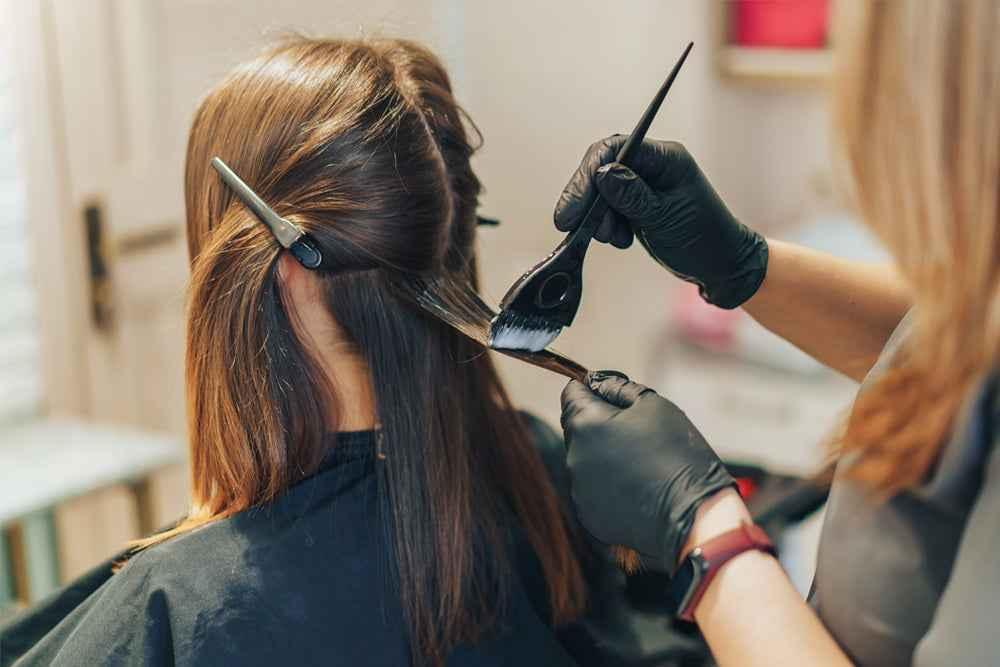
Using blue toner correctly can make a difference in the final result. Always read the instructions for your particular product because application methods and processing times vary.
Step 1: Identify your hair’s undertone
Look at your hair in natural daylight. If it appears distinctly orange or coppery, a blue-based product may help. If it looks mostly yellow, consider a purple-based toner instead.
Step 2: Choose the right product
For mild brassiness, consider a blue toning shampoo or conditioner formulated for your hair type. For stronger orange tones, ask a qualified colorist whether a professional toner is appropriate.
Step 3: Perform a strand test
Apply the product to a small, hidden section of hair according to its directions. This helps you see how the pigment develops before treating your entire head.
Step 4: Apply evenly
Use the product as directed, paying attention to areas with unwanted orange tones. Avoid applying extra product or extending the processing time in an attempt to speed up the results.
Step 5: Rinse thoroughly
Rinse according to the instructions. Follow with a suitable conditioner if recommended to help maintain softness and manageability.
Step 6: Evaluate the results
Allow your hair to dry and check the color in natural light. If orange tones remain strong, don’t immediately repeat the process. Your hair may need a different formulation or professional color correction.
5. Best Blue Toner Products for Orange Hair
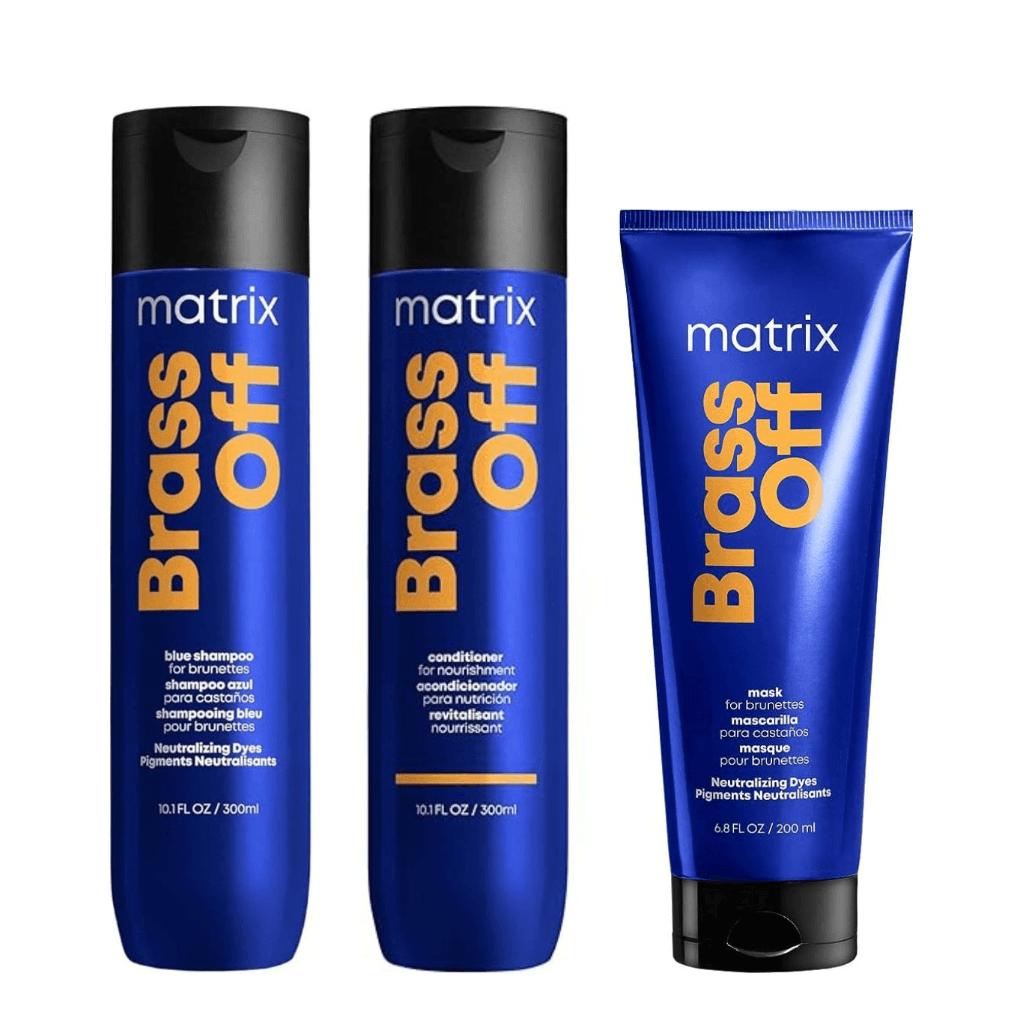
The best blue toner depends on your starting color and the intensity of the brassiness. Rather than choosing a product based only on popularity, look for one formulated for your particular hair concern.
Blue toning shampoo: Suitable for maintaining brunette or brown shades that develop unwanted orange warmth. It is generally a maintenance product rather than a substitute for significant color correction.
Blue toning conditioner or mask: A useful option for people who want toning and conditioning in one routine. Check the pigment strength and recommended frequency before use.
Professional salon toner: A colorist can select a formula based on your current shade, underlying pigment, and desired result. This may be a better option when the orange is intense or uneven.
Color-safe haircare: A gentle shampoo and conditioner designed for color-treated hair can help maintain the appearance of your color between toning sessions.
Results vary depending on hair porosity, starting color, previous treatments, and product formulation. No single blue toner will produce identical results for everyone.
6. Tips to Maintain Cool-Toned Hair for Longer
After reducing orange tones, the next challenge is keeping your color looking fresh. A simple, consistent haircare routine can help.
- Avoid over-toning: Excessive use of pigmented products may leave unwanted blue or muddy-looking areas.
- Use a gentle shampoo: Choose a formula suitable for color-treated hair and your scalp.
- Condition regularly: Hair masks and conditioners can improve softness and manageability.
- Limit excessive heat: Use a heat protectant and avoid unnecessary high-temperature styling.
- Protect hair from the sun: Cover your hair when spending extended periods outdoors.
- Follow a suitable washing routine: Frequent washing may contribute to color fading, so adjust your routine to your hair and scalp needs.
If the orange tones return quickly or your hair has several different shades, a professional colorist can determine whether the issue requires toning, additional lightening, or a different color formula.
Final Thoughts
Blue toner for orange hair can be a useful solution when unwanted warmth makes your color look brassier than expected. By using blue pigments to neutralize orange tones, the right product may help brown and highlighted hair look cooler and more balanced.
The secret is choosing the correct toner for your underlying shade, following the product instructions, and avoiding excessive application. If your hair is badly damaged or the orange color is uneven, professional advice is often the safest next step.
With the right approach and a consistent haircare routine, you can maintain a cooler-looking shade without putting unnecessary stress on your hair.
6 SEO-Friendly FAQs About Blue Toner for Orange Hair

1. Can blue toner remove orange hair?
Blue toner can neutralize or reduce the appearance of orange tones. The result depends on your starting color, the product’s pigment strength, and your hair’s condition. Strong orange tones may require professional color correction.
2. Is blue shampoo or blue toner better for orange hair?
Blue shampoo is generally useful for maintaining color and managing mild brassiness. A professional toner can provide a more targeted color adjustment. The best choice depends on the intensity of the orange tones and your desired result.

3. How long should I leave blue toner in my hair?
There is no universal processing time. Follow the specific product’s instructions and perform a strand test before applying it throughout your hair. Leaving a product on longer than recommended can lead to unwanted color or irritation.

4. Does blue toner work on dark brown hair?
Yes, blue toning products can help reduce orange or coppery warmth in dark brown and medium brown hair. The visible effect may be subtle, particularly when the hair is very dark.

5. Can I use blue toner on orange hair after bleaching?
It may help if your bleached hair has orange undertones. However, if your hair is very light and mainly yellow, purple toner may be more suitable. If your hair is damaged or the color is uneven, consult a professional.