
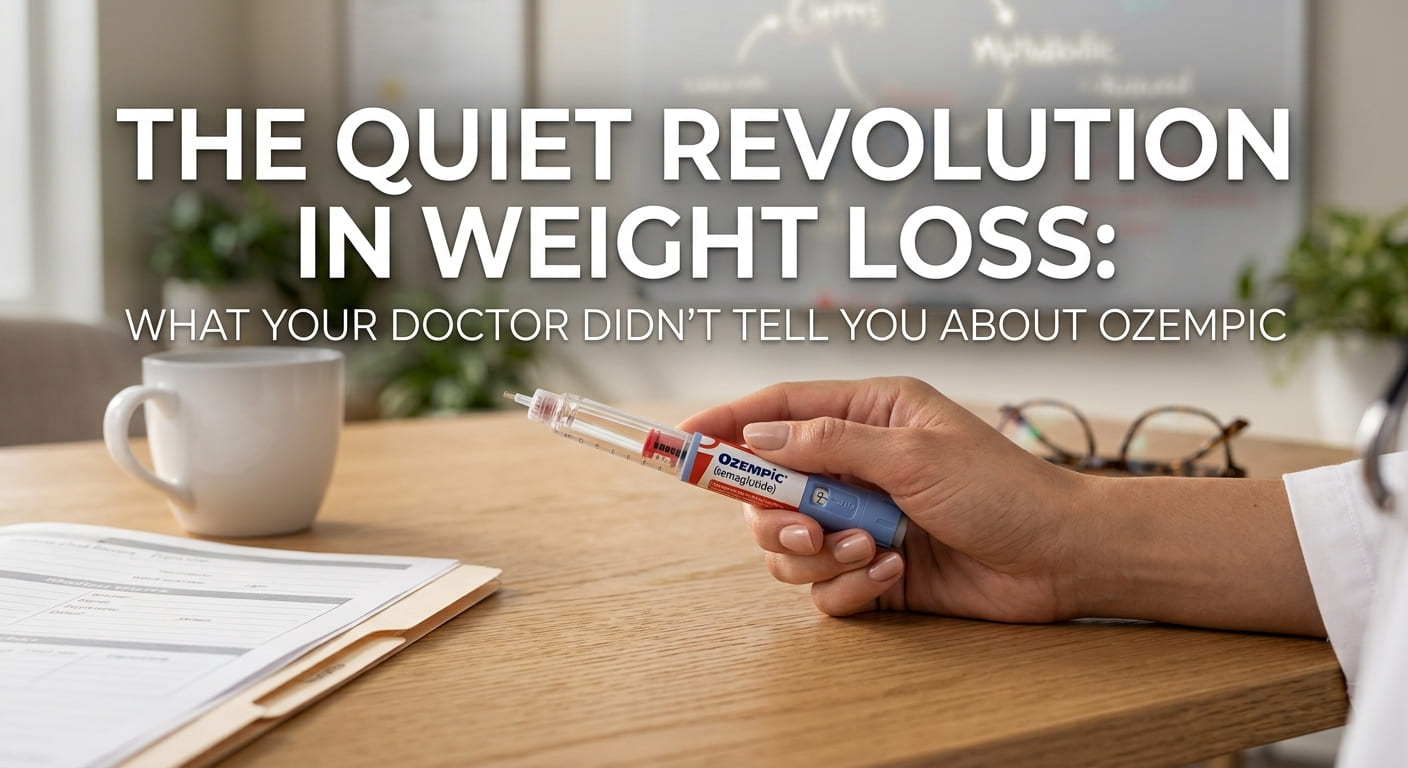
The Quiet Revolution in Weight Loss: What Your Doctor Didn’t Tell You About Ozempic
Introduction: The Breakthrough That Changed Medicine
Weight loss has historically been treated as a simple equation: calories in, calories out. Yet for millions of people, this simple formula feels impossible to maintain. The constant mental battle against hunger, cravings, and slowing metabolic rates often leads to cycles of weight loss followed by inevitable weight regain.
Enter Ozempic (semaglutide)—a medication originally designed to manage Type 2 diabetes that inadvertently triggered one of the largest transformations in modern obesity medicine. Over the last few years, Ozempic has dominated medical journals, cultural discussions, and social media platforms.
What makes Ozempic different from past appetite suppressants or quick-fix diet pills? How does a once-weekly injection alter human physiology, and what happens when you stop taking it? Understanding the true mechanism, benefits, side effects, and long-term implications of Ozempic requires stepping past the social media hype and looking directly at the clinical evidence.
What Is Ozempic? Defining the Drug Behind the Hype

To understand Ozempic, it is essential to distinguish between the drug’s brand name and its active pharmaceutical ingredient. Ozempic is a brand name manufactured by Novo Nordisk, containing the active molecule semaglutide.
Semaglutide belongs to a class of medications called GLP-1 receptor agonists. GLP-1 (Glucagon-Like Peptide-1) is a naturally occurring hormone produced in the intestines in response to food intake. It serves as a biological signal communicating to the rest of the body that nutrients have arrived.
While Ozempic is officially approved by regulatory bodies like the FDA to lower blood sugar in adults with Type 2 diabetes, physicians frequently prescribe it off-label for chronic weight management. (A higher-dose formulation of semaglutide, marketed as Wegovy, holds formal regulatory approval specifically for weight loss).
The Biological Engine: How Ozempic Forces Weight Loss
Ozempic does not directly “burn” body fat. Instead, it acts as a synthetic hormone mimic that alters how your brain, stomach, and pancreas process energy.
         +-------------------------------------------------+
         |             Ozempic (Semaglutide)               |
         +-------------------------------------------------+
                                 |
        +------------------------+------------------------+
        |                        |                        |
        v                        v                        v
+---------------+        +---------------+        +---------------+
|     Brain     |        |    Stomach    |        |   Pancreas    |
| (Hypothalamus)|        | (Delayed      |        | (Insulin &    |
|               |        |  Gastric      |        |  Glucose      |
| Suppresses    |        |  Emptying)    |        |  Control)     |
| Appetite &    |        |               |        |               |
| Cravings      |        | Extends Full  |        | Stabilizes    |
| ("Food Noise")|        | Sensation     |        | Blood Sugar   |
+---------------+        +---------------+        +---------------+
1. Muting “Food Noise” in the Brain
The most significant effect reported by patients taking Ozempic is the quiet mystery of disappearing “food noise.” The central nervous system—specifically the hypothalamus—contains receptors for GLP-1. By binding to these receptors, semaglutide reduces signals of hunger and obsessive thoughts about food, enabling individuals to effortlessly maintain a caloric deficit.
2. Delaying Gastric Emptying
Ozempic slows down the rate at which food leaves the stomach, a process known as delayed gastric emptying. Because food remains in the stomach for significantly longer periods, physical feelings of fullness (satiety) last long after a meal has ended.
3. Blood Sugar Regulation and Insulin Sensitivity
For individuals with insulin resistance or metabolic dysfunction, weight loss is often hindered by high circulating insulin levels, which encourage energy storage as fat. Semaglutide stimulates insulin release only when blood sugar rises and reduces the liver’s production of excess glucose. This stabilization prevents sharp glucose spikes and crashes, eliminating energy slumps that trigger sugar cravings.
What Does the Clinical Data Show?
Clinical trials evaluating semaglutide demonstrate results previously only achievable through bariatric surgery.
In major clinical research programs (such as the STEP trials assessing semaglutide), participants taking therapeutic doses alongside lifestyle modifications lost an average of 15% of their total body weight over 68 weeks. In contrast, lifestyle intervention groups alone typically lost only 2% to 3% of their body weight over the same timeframe.
| Outcome Metric | Standard Diet & Lifestyle | Semaglutide (2.4 mg/week) |
| Average Weight Loss | ~2% to 3% | ~15% |
| Waistline Reduction | Minimal | Significant reduction |
| Blood Pressure / Lipids | Mild improvement | Marked cardiometabolic improvement |
| Sustained Satiety | Low (High biological pushback) | High (Hormonally maintained) |
Beyond basic scale weight, participants showed marked improvements in cardiometabolic markers, including lower blood pressure, reduced systemic inflammation (C-reactive protein), lower triglycerides, and improved insulin sensitivity.
The Unspoken Side Effects and Health Risks
While Ozempic offers powerful metabolic interventions, it is not without physiological side effects. These can range from mild gastrointestinal discomfort to rare, serious medical conditions.
Gastrointestinal Effects (Most Common)
Because GLP-1 receptors line the digestive system, altering gut motility naturally leads to gastrointestinal side effects, particularly during dose escalation:
- Nausea and Vomiting: Occurs in a large percentage of patients upon starting or increasing the dose.
- Constipation or Diarrhea: Delayed emptying can cause sluggish bowel movements or sudden shifts in motility.
- Acid Reflux and Belching: Food sitting longer in the digestive tract leads to sulfur-like belching and indigestion.
Muscle Loss and “Ozempic Face”
When weight loss occurs rapidly, the body sheds both fat and lean muscle tissue. Studies indicate that up to 20–40% of the weight lost on GLP-1 medications can be lean body mass if protein intake and resistance training are neglected. This loss of facial fat tissue and facial structural volume gives rise to the aesthetic term “Ozempic face,” where the skin can appear saggy or prematurely aged due to rapid volume depletion.
Rare but Serious Medical Risks
- Pancreatitis: Inflammation of the pancreas requires immediate medical intervention.
- Gallbladder Disease: Rapid weight loss increases the formation of gallstones.
- Gastroparesis: Excessive slowing of the digestive tract can result in stomach paralysis.
- Thyroid C-Cell Tumors: In rodent studies, semaglutide caused thyroid tumors. While human risk remains low, it is contraindicated for individuals with a personal or family history of Medullary Thyroid Carcinoma (MTC) or Multiple Endocrine Neoplasia syndrome type 2 (MEN 2).
The Rebound Effect: What Happens When You Stop?
Perhaps the most critical, under-discussed aspect of Ozempic is its requirement for long-term management. Obesity is increasingly recognized by medical authorities as a chronic, progressive biological condition rather than a temporary state.
When a patient discontinues Ozempic, several biological changes occur rapidly:
+-------------------------------------------------------+
|                Discontinuing Ozempic                  |
+-------------------------------------------------------+
                           |
                           v
+-------------------------------------------------------+
|  1. Synthetic GLP-1 Clears Body (Over ~4-5 weeks)      |
+-------------------------------------------------------+
                           |
                           v
+-------------------------------------------------------+
|  2. "Food Noise" & Normal Gastric Speed Return        |
+-------------------------------------------------------+
                           |
                           v
+-------------------------------------------------------+
|  3. Appetite Spikes (Compensatory Biological Drive)   |
+-------------------------------------------------------+
                           |
                           v
+-------------------------------------------------------+
|  4. Weight Regain Occurs (Often 2/3 of Lost Weight)   |
+-------------------------------------------------------+
Data from STEP-1 extension trials demonstrated that participants who stopped taking semaglutide regained approximately two-thirds of their lost weight within one year. Because the body’s native hormone production remains baseline while the drug’s influence vanishes, hunger signals rebound sharply, driving increased caloric intake.
Ozempic vs. Alternatives: The Evolving Landscape
Ozempic is not the only GLP-1 option available today. The therapeutic landscape for metabolic medicine continues to advance rapidly.
+-------------------------------------------------------------------+
|                  GLP-1 & Metabolic Options                        |
+----------------------------------+--------------------------------+
                                   |
         +-------------------------+-------------------------+
         |                                                   |
         v                                                   v
+------------------+                               +------------------+
| Single-Agonist   |                               | Dual-Agonist     |
| (GLP-1 Only)     |                               | (GLP-1 + GIP)    |
+------------------+                               +------------------+
| - Ozempic        |                               | - Mounjaro       |
| - Wegovy         |                               | - Zepbound       |
| - Rybelsus (Oral)|                               |                  |
+------------------+                               +------------------+
- Wegovy (Semaglutide): Contains the same active ingredient as Ozempic but is FDA-approved specifically for weight loss at a higher target dose (2.4 mg).
- Mounjaro / Zepbound (Tirzepatide): A dual GIP/GLP-1 receptor agonist. By targeting two metabolic pathways, tirzepatide has shown even higher average weight loss in clinical trials (approaching 20–22%).
- Saxenda (Liraglutide): An older, daily-injection GLP-1 agonist. While effective, it generally results in less total weight loss than once-weekly semaglutide.
How to Maximize Success on Ozempic: A Practical Framework
Taking Ozempic effectively requires viewing the drug as a supportive tool rather than a complete cure-all. To achieve sustainable weight loss and preserve health while taking GLP-1 medications, prioritize these foundational habits:
1. Prioritize Protein Intake
Because appetite is suppressed, total caloric intake drops drastically. To prevent muscle wasting, aim for 1.2 to 1.6 grams of protein per kilogram of body weight daily. Focus on lean meats, fish, eggs, tofu, and protein supplements.
2. Engage in Progressive Resistance Training
Cardio helps calorie burn, but strength training is essential while on Ozempic. Lifting weights 2 to 4 times per week signals to the body to preserve lean muscle tissue and burn stored fat instead.
3. Hydrate and Supplement Fiber
Sluggish gut motility can lead to severe constipation. Drinking adequate water and consuming high-fiber foods (or taking soluble fiber supplements) helps maintain normal digestion and reduces nausea.
4. Plan for the Long Term
Before starting treatment, discuss long-term goals with a medical professional. Decide early whether the goal is lifelong medication management or a structured transition plan focused on maintaining habits post-treatment.
Conclusion: Tool, Not a Miracle
Ozempic represents a major advance in modern medicine’s treatment of obesity and metabolic disease. By directly addressing the hormonal underpinnings of hunger and satiety, it offers an effective solution for individuals who have struggled with weight management through traditional diets alone.
However, Ozempic is not a substitute for metabolic health fundamentals. True long-term success requires combining medication with adequate protein intake, resistance training, consistent sleep, and sustainable lifestyle habits. When viewed as a powerful tool within a comprehensive health strategy, Ozempic can help transform long-term health and wellness.
Frequently Asked Questions About Ozempic for Weight Loss
What is the main difference between Ozempic and Wegovy?
Both medications contain the same active ingredient, semaglutide. Ozempic is FDA-approved specifically to treat Type 2 diabetes (though often prescribed off-label for weight management), whereas Wegovy is FDA-approved explicitly for chronic weight management at a higher maximum weekly dose (2.4 mg vs. 2.0 mg).
How much weight can you typically lose on Ozempic?
Clinical trials show that individuals taking full therapeutic doses of semaglutide alongside lifestyle modifications lose an average of 15% of their total body weight over 68 weeks. Individual results vary depending on dosage, diet, and exercise habits.
What is “food noise” and how does Ozempic stop it?
“Food noise” refers to persistent, intrusive thoughts about eating, cravings, and meal planning. Ozempic mimics the GLP-1 hormone in the brain’s hypothalamus, which regulates appetite and reward centers, significantly dampening these constant cravings.
Do you gain weight back if you stop taking Ozempic?
Yes, research indicates that most people regain about two-thirds of their lost weight within a year of discontinuing the medication. Because obesity is a chronic biological condition, stopping the drug removes the hormonal signal controlling hunger and gastric emptying.
What are the most common side effects of Ozempic?
The most frequent side effects are gastrointestinal, including:
- Nausea and vomiting
- Constipation or diarrhea
- Acid reflux and abdominal bloating
- Reduced appetite and fatigue
How can I prevent muscle loss while taking Ozempic?
Rapid weight loss can result in losing lean muscle mass alongside fat. To protect muscle tissue:
- Consume 1.2 to 1.6 grams of protein per kilogram of body weight daily.
- Perform regular resistance training or weightlifting 2 to 4 times a week.
- Stay consistently hydrated.
How long does it take for Ozempic to start working for weight loss?
While semaglutide begins regulating blood sugar within days, noticeable weight loss typically starts within the first 2 to 4 weeks. Significant weight reduction accumulates over several months as the dose is gradually increased to minimize side effects.
Who should not take Ozempic?
Ozempic is contraindicated for individuals with a personal or family history of Medullary Thyroid Carcinoma (MTC) or Multiple Endocrine Neoplasia syndrome type 2 (MEN 2). It should also be avoided by pregnant or breastfeeding individuals and those with a history of severe pancreatitis.