
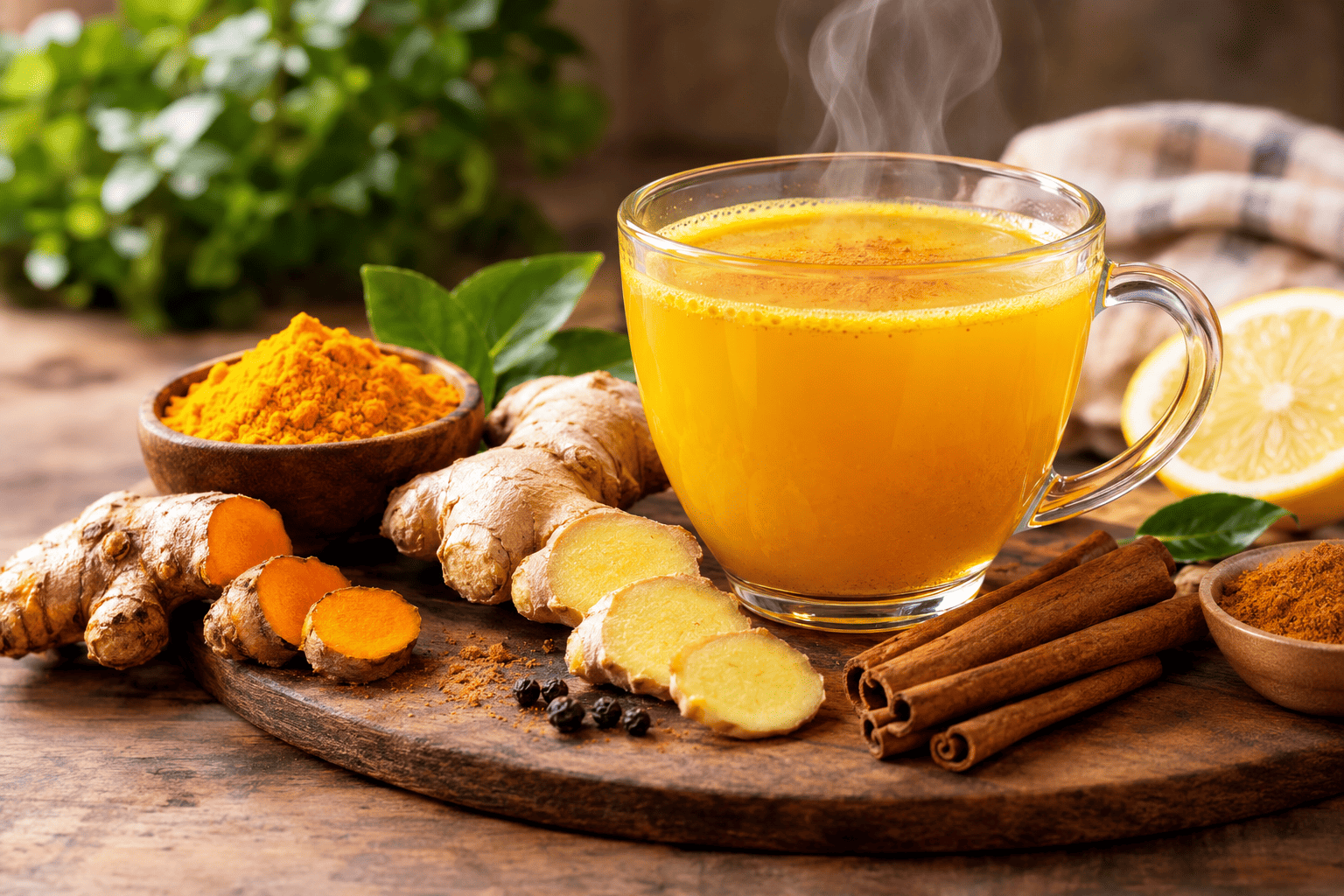
The Golden Tea Secret: How Turmeric, Ginger & Cinnamon Tea May Transform Your Daily Wellness Routine
The Golden Tea Secret: How Turmeric, Ginger & Cinnamon Tea May Transform Your Daily Wellness Routine
There is something fascinating about a warm cup of tea made with three simple kitchen ingredients: turmeric, ginger, and cinnamon. Each ingredient has been used traditionally for centuries, but when combined, they create a flavorful golden drink that has attracted growing attention among people interested in wellness and healthy living.
But is turmeric, ginger, and cinnamon tea really as powerful as its reputation suggests?
The answer requires looking beyond the hype.
This golden-colored beverage contains naturally occurring compounds that have been studied for their antioxidant and anti-inflammatory properties. At the same time, it is important to remember that a homemade tea is not a miracle cure and should not replace medical treatment or a balanced diet.
So, what makes this combination so interesting—and how can you prepare it at home?
What Is Turmeric, Ginger & Cinnamon Tea?
Turmeric, ginger, and cinnamon tea is a simple herbal-style beverage prepared by steeping or simmering these three spices in hot water.
Turmeric gives the drink its distinctive golden color and earthy flavor. Ginger adds warmth and a slightly spicy taste, while cinnamon contributes natural sweetness and an aromatic finish.
A basic cup can be prepared using:
- 1 teaspoon turmeric powder or a small piece of fresh turmeric
- ½–1 teaspoon freshly grated ginger
- ¼–½ teaspoon cinnamon
- 1–2 cups of water
- Optional lemon
- Optional small amount of honey
Some recipes also include a tiny pinch of black pepper. Piperine, a compound in black pepper, has been studied for its ability to increase the absorption of curcumin, one of turmeric’s major compounds.
Why Has This Golden Tea Become So Popular?
The appeal comes partly from the ingredients themselves.
Turmeric
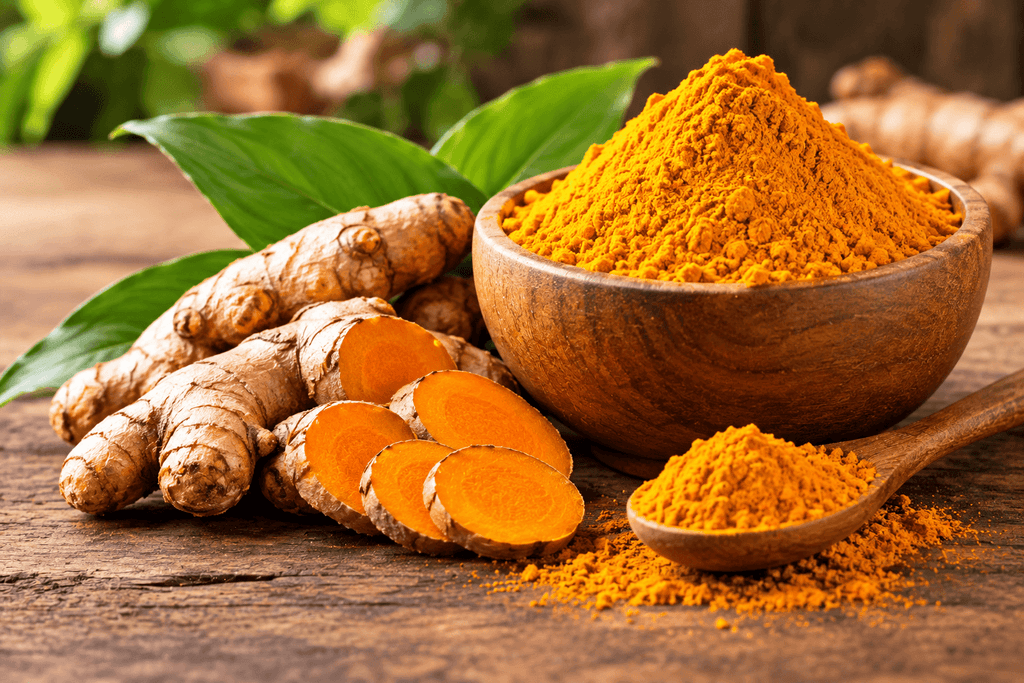
Turmeric contains curcumin, a naturally occurring compound that has received substantial scientific interest. Research has examined curcumin for antioxidant and anti-inflammatory activity.
However, turmeric used in cooking contains relatively small amounts of curcumin compared with concentrated supplements. Therefore, drinking turmeric tea should not be viewed as equivalent to taking a high-dose curcumin product.
Ginger
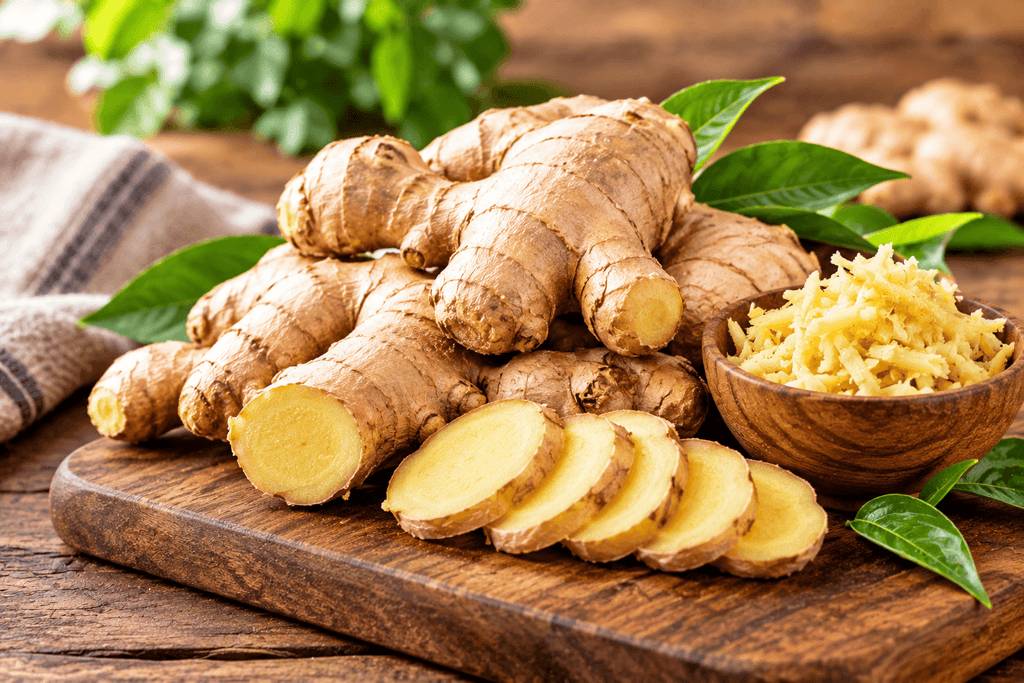
Ginger contains compounds called gingerols and related substances. Ginger has a long history of culinary and traditional use, particularly for digestive comfort.
Modern research has investigated ginger for areas such as nausea and digestive symptoms.
Cinnamon
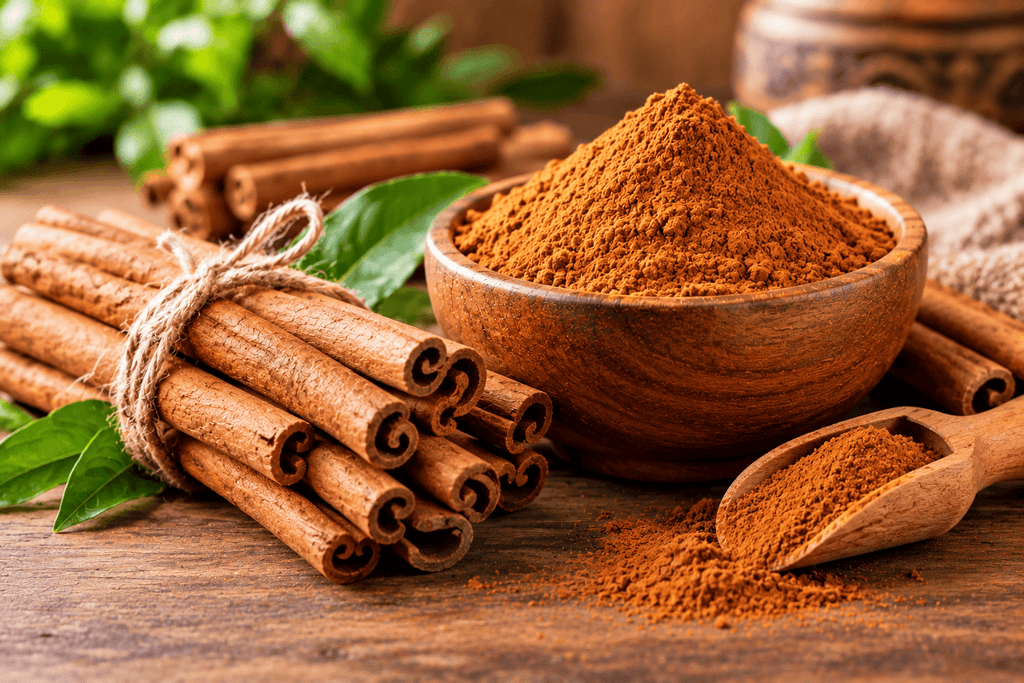
Cinnamon contains aromatic plant compounds that give it its characteristic flavor and smell. Research has explored cinnamon’s antioxidant activity and possible effects on blood glucose regulation, although evidence varies depending on the condition, dose, and type of cinnamon used.
Together, these ingredients create a drink that is flavorful while providing a variety of naturally occurring plant compounds.
7 Potential Benefits of Turmeric Ginger Cinnamon Tea
1. It Provides Antioxidant Compounds
Oxidative stress occurs when there is an imbalance between free radicals and the body’s antioxidant defenses.
Turmeric, ginger, and cinnamon all contain plant compounds with antioxidant activity. Adding these spices to your diet can therefore contribute to overall dietary variety.
However, no single tea can eliminate oxidative stress or guarantee protection from disease.
The bigger picture matters: a diet containing vegetables, fruits, whole grains, legumes, nuts, seeds, and other nutrient-rich foods provides a much broader range of beneficial compounds.
2. It May Support a Healthy Inflammatory Response
Inflammation is a normal biological process that helps the body respond to injury and infection. Problems can arise when inflammatory processes become prolonged or dysregulated.
Curcumin and ginger-derived compounds have been investigated for their effects on inflammatory pathways.
This is one reason turmeric and ginger are frequently included in wellness drinks.
Still, drinking this tea should be considered a supportive dietary habit rather than a treatment for chronic inflammation or inflammatory disease.
3. Ginger May Help With Digestive Comfort
Ginger is particularly interesting because it has been studied for nausea and certain digestive complaints.
A warm ginger-containing beverage may also feel soothing after a meal.
If you are sensitive to spicy foods, however, too much ginger can cause stomach discomfort, heartburn, or irritation. Starting with a small amount is often more comfortable.
4. It Can Be a Warming, Low-Calorie Beverage
If you prepare turmeric, ginger, and cinnamon tea with water and little or no added sweetener, it can be a naturally low-calorie drink.
This makes it an alternative to sugary beverages.
The important distinction is that the tea itself does not magically cause weight loss. Weight management depends on overall energy intake, physical activity, sleep, dietary patterns, and numerous individual factors.
5. It May Help You Drink More Fluids
Hydration is an essential part of everyday health.
Some people simply find plain water boring. A flavorful herbal-style tea can make drinking fluids more enjoyable.
You can drink the tea warm during colder weather or allow it to cool and serve it over ice during warmer months.
6. Cinnamon Adds Flavor Without Much Sugar
Cinnamon has a naturally sweet aroma and flavor. That can make it easier to enjoy a drink with less added sugar.
Instead of adding several teaspoons of sugar or syrup, you can experiment with cinnamon, ginger, lemon, or a small amount of honey.
Remember that honey still contributes added sugar and calories.
7. It Can Become a Relaxing Wellness Ritual
Not every benefit has to come from a specific chemical compound.
Preparing a warm drink, slowing down for a few minutes, and creating a consistent evening or morning routine can be enjoyable.
A wellness ritual can encourage healthier habits when it becomes part of a broader lifestyle that includes nutritious food, regular movement, adequate sleep, and stress management.
How to Make Turmeric Ginger Cinnamon Tea
Making this tea at home requires only a few ingredients.
Ingredients
- 2 cups water
- 1 teaspoon turmeric powder
- ½–1 teaspoon freshly grated ginger
- ¼–½ teaspoon cinnamon
- Optional pinch of black pepper
- Optional lemon juice
- Optional honey
Directions
- Pour two cups of water into a small saucepan.
- Add turmeric, ginger, and cinnamon.
- Bring the mixture to a gentle simmer.
- Simmer for approximately 5–10 minutes.
- Strain the tea if you used fresh ginger or loose spices.
- Add lemon juice if desired.
- Allow it to cool slightly before adding honey.
- Serve warm.
If you are using cinnamon sticks instead of ground cinnamon, simmering the stick with the water can produce a smoother drink.
Should You Add Black Pepper?
This is one of the most frequently discussed questions about turmeric tea.
Black pepper contains piperine, which has been shown to increase the bioavailability of curcumin in research settings.
That does not mean you need a large amount of black pepper.
A small pinch is generally enough for a recipe if you enjoy the flavor.
It is also worth remembering that many studies investigating curcumin absorption involve specific formulations or concentrated preparations. The effects of adding a pinch of pepper to a homemade cup of tea should not be exaggerated.
When Is the Best Time to Drink It?
There is no universally established “best” time to drink turmeric, ginger, and cinnamon tea.
You might enjoy it:
In the morning: as a warm alternative to sweetened beverages.
After a meal: especially if you enjoy ginger’s warming flavor.
In the evening: as part of a relaxing caffeine-free routine.
Your personal tolerance matters more than a specific clock time.
If ginger or cinnamon causes heartburn or digestive irritation, drinking the tea after food rather than on an empty stomach may be more comfortable.
Common Mistakes to Avoid
Using Too Much Turmeric
More is not automatically better.
Large quantities can make the drink bitter and may cause digestive discomfort.
Adding Excessive Sweetener
Turning a healthy-looking tea into a heavily sweetened beverage can significantly increase its sugar and calorie content.
Expecting Instant Results
This is perhaps the biggest mistake.
Turmeric, ginger, and cinnamon are ingredients—not magic solutions.
Consistent healthy habits matter much more than consuming a particular drink occasionally.
Treating Tea Like Medicine
A homemade tea should not replace prescribed medication or professional medical advice.
If you have a medical condition or take medication regularly, discuss concentrated herbal products or frequent high-dose spice consumption with a healthcare professional.
Who Should Be Cautious?
Although these spices are commonly used in food, concentrated amounts may not be appropriate for everyone.
People taking medications that affect blood clotting, blood sugar, or blood pressure should ask a healthcare professional before regularly consuming concentrated spice preparations.
People with gallbladder problems, significant digestive conditions, or allergies to any ingredient should also exercise caution.
Pregnant or breastfeeding individuals should consult an appropriate healthcare professional before using concentrated herbal preparations.
This is particularly important because culinary use and concentrated supplements are not necessarily equivalent.
Turmeric Ginger Cinnamon Tea vs. Golden Milk
Golden milk is another popular turmeric-based beverage.
Unlike turmeric ginger cinnamon tea, golden milk typically contains milk or a plant-based alternative. It may also contain black pepper, ginger, cinnamon, and a sweetener.
Golden milk is richer and creamier, while turmeric ginger cinnamon tea is lighter and usually lower in calories when prepared without sweeteners.
Both can be enjoyable choices depending on your taste and dietary preferences.
The Bigger Wellness Picture
The most interesting thing about turmeric, ginger, and cinnamon tea may not be any single ingredient.
It is the possibility of replacing less nutritious drinks with a flavorful beverage made from simple ingredients.
Imagine replacing a sugary soft drink with unsweetened spice tea several times a week. The potential advantage comes not from a magical “detox” effect but from changing the overall quality of your beverage choices.
That distinction is important.
Healthy living is rarely about discovering one secret ingredient. It is usually about building sustainable habits that work together.
Final Thoughts
Turmeric, ginger, and cinnamon tea is a simple, aromatic beverage with a long history of culinary and traditional use.
Its ingredients contain naturally occurring compounds that have been investigated for antioxidant, digestive, and inflammatory-related effects. However, scientific evidence does not justify treating this tea as a cure-all.
The best way to think about it is as one small addition to a balanced lifestyle.
Use sensible quantities, avoid excessive sweeteners, enjoy the flavor, and focus on the bigger picture: nutritious food, regular physical activity, sufficient sleep, hydration, and appropriate medical care when needed.
And perhaps that is the real secret behind this golden cup—not that it can transform your health overnight, but that a simple daily ritual can become one enjoyable part of a healthier routine.





leofDQtOrPTNkRPpQAWm