Is Your Diet Sabotaging Your Skin? The Hidden Foods That Fight Inflammation Fast
The Silent Skin Saboteur Living on Your Plate
You invest in expensive serums, track down the latest active ingredients, and religiously apply sunscreen every morning. Yet, despite a cabinet full of luxury skincare, you still wake up to stubborn breakouts, unexplainable redness, or a dull complexion that refuses to bounce back.
What if the real culprit isn’t what you are putting on your skin, but what you are feeding it from the inside?
Every day, millions of people unknowingly consume ingredients that trigger a low-grade, chronic fire inside their bodies. Dermatologists call it “inflammaging”—a process where systemic inflammation silently accelerates collagen breakdown, disrupts the epidermal barrier, and fuels conditions like acne, eczema, rosacea, and psoriasis.
The good news? You hold the fire extinguisher. By shifting your diet toward powerful anti-inflammatory whole foods, you can turn off the inflammatory cascade at its source and unlock a natural, lit-from-within glow.
What Is Systemic Skin Inflammation?
When your immune system detects a threat—like a wound or an infection—it triggers an acute inflammatory response to heal the area. This is healthy and necessary. However, when poor diet, stress, and environmental toxins constantly overstimulate your immune system, acute inflammation turns chronic.
In the skin, chronic inflammation manifests as:
- Accelerated Aging: Breakdown of collagen and elastin fibers, leading to premature fine lines and sagging.
- Compromised Barrier Function: Increased transepidermal water loss, leaving skin chronically dry, itchy, or sensitive.
- Hyper-Reactive Oil Glands: Overproduction of sebum paired with inflammatory cytokines, creating the ideal environment for acne-causing bacteria.
- Hyperpigmentation: Post-inflammatory marks that take months, or even years, to fade.
To heal the outside, you must calm the inside.
Top 7 Anti-Inflammatory Powerhouses for Radiant Skin
1. Wild Fatty Fish: The Essential Barrier Builders
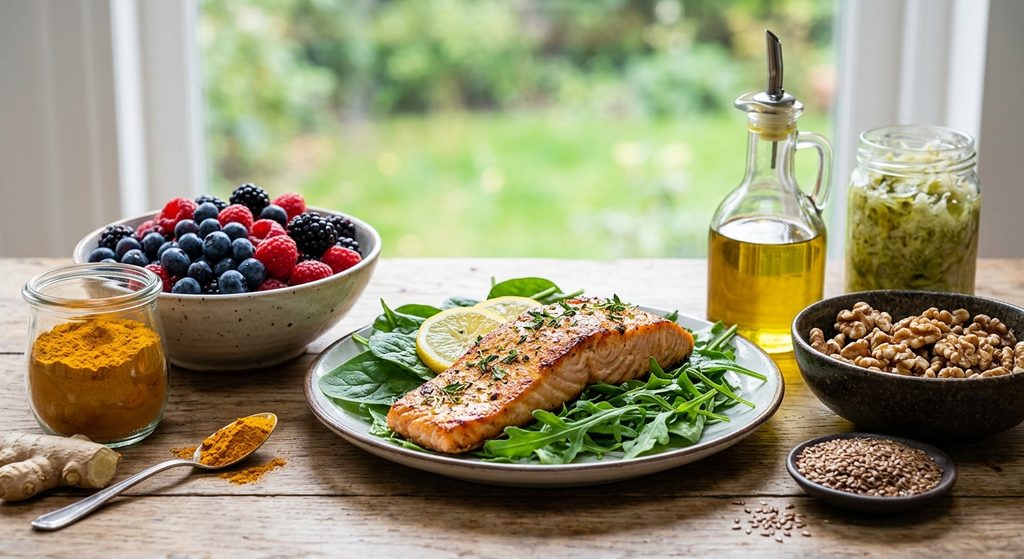
Wild-caught salmon, mackerel, sardines, and anchovies are packed with Omega-3 fatty acids (EPA and DHA). These essential fats integrate directly into the lipid layer of your skin cells, locking in moisture and shielding against environmental irritants.
- Skin Benefit: EPA inhibits the enzymes that break down collagen after UV exposure, while keeping cell membranes supple.
- Pro Tip: Aim for 2–3 servings per week of low-mercury, wild-caught fish.
2. Dark Leafy Greens: Cellular Detoxifiers
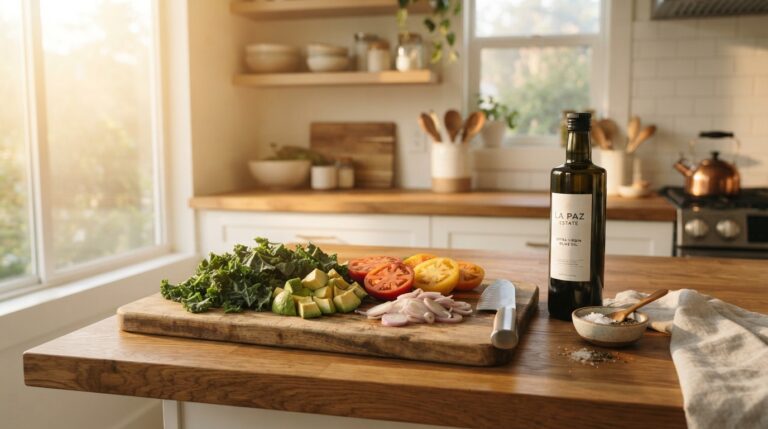
Spinach, kale, Swiss chard, and arugula act as internal purifiers. Rich in chlorophyll, vitamins C and E, and beta-carotene, greens neutralize free radicals before they can damage delicate skin cells.
- Skin Benefit: Chlorophyll promotes tissue repair, while high vitamin C levels power collagen synthesis.
3. Deeply Pigmented Berries: The Antioxidant Defense
Blueberries, blackberries, raspberries, and acai berries owe their vibrant colors to anthocyanins—potent antioxidants that combat oxidative stress caused by pollution and UV radiation.
- Skin Benefit: Berries strengthen capillary walls, reducing redness and dark circles under the eyes.
4. Extra Virgin Olive Oil: Nature’s Anti-Inflammatory Liquid
A cornerstone of the Mediterranean diet, high-quality extra virgin olive oil (EVOO) contains oleocanthal, a compound with anti-inflammatory mechanisms strikingly similar to ibuprofen.
- Skin Benefit: Rich in squalene and vitamin E, EVOO protects the skin’s lipid barrier against moisture loss.
5. Walnuts and Flaxseeds: Plant-Based Omega-3 Power
For plant-based eaters, walnuts, chia seeds, and ground flaxseeds offer Alpha-Linolenic Acid (ALA), a vital plant-based Omega-3 fat.
- Skin Benefit: Reduces inflammatory skin flares and improves skin texture over time.
6. Turmeric and Ginger: The Golden Duo
Curcumin, the active compound in turmeric, blocks NF-kB—a protein molecule that travels into the nuclei of cells and turns on genes related to inflammation. Gingerol in ginger works synergistically to soothe digestive distress and systemic flare-ups.
- Skin Benefit: Calms active acne lesions, calms redness, and promotes an even skin tone.
- Pro Tip: Always pair turmeric with a pinch of black pepper and a healthy fat to boost absorption by up to 2,000%.
7. Fermented Foods: The Gut-Skin Connection
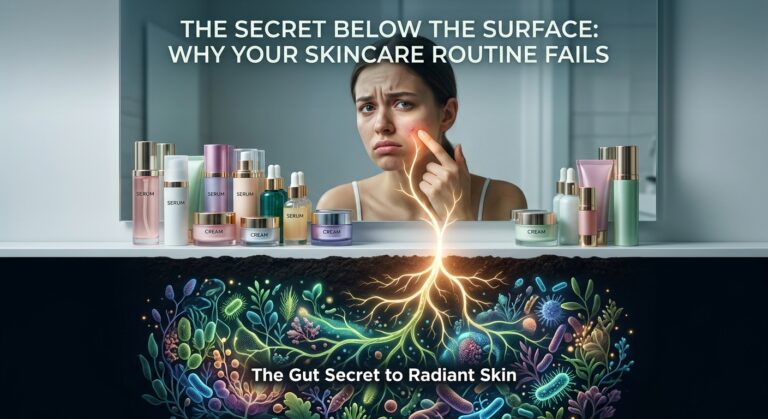
Yogurt, kefir, sauerkraut, kimchi, and kombucha support a diverse gut microbiome. Science confirms a direct axis between gut health and skin health; a compromised gut lining directly correlates with skin inflammation.
- Skin Benefit: Balanced gut bacteria lower circulating systemic inflammatory markers, preventing skin flare-ups.
Anti-Inflammatory Skin Foods at a Glance
| Food Group | Key Active Nutrient | Direct Skin Benefit | Recommended Daily/Weekly Intake |
| Fatty Fish | Omega-3s (EPA/DHA) | Strengthens lipid barrier, reduces UV sensitivity | 2–3 servings per week |
| Leafy Greens | Chlorophyll, Vitamin C | Boosts collagen, neutralizes free radicals | 2+ cups daily |
| Dark Berries | Anthocyanins | Prevents premature aging, protects capillaries | 1/2 cup daily |
| Turmeric | Curcumin | Suppresses inflammatory pathways | 1 tsp daily (with black pepper) |
| Fermented Foods | Live Probiotics | Balances the gut-skin axis | 1 serving daily |
Foods That Quietly Trigger Skin Inflammation
Adding beneficial foods is only half the battle; you must also reduce exposure to dietary inflammatory triggers:
- Refined Sugars & High-GI Carbs: Cause rapid blood sugar spikes, driving insulin surges that trigger excess sebum production and glycation (a process that hardens collagen).
- Industrial Seed Oils: Oils high in Omega-6 fats (like corn, soybean, and cottonseed oil) can promote inflammation when consumed in excess without adequate Omega-3s.
- Ultra-Processed Foods: Artificial additives, preservatives, and trans fats disrupt gut microbiome health, leaking inflammatory compounds into the bloodstream.
3-Day Anti-Inflammatory Meal Plan for Glowing Skin
Day 1
- Breakfast: Chia seed pudding topped with wild blueberries, crushed walnuts, and a splash of almond milk.
- Lunch: Spinach and arugula salad with grilled salmon, avocado, cucumber, and extra virgin olive oil dressing.
- Dinner: Turmeric-roasted chicken breast with steamed broccoli and quinoa.
- Snack: A cup of green tea and a small handful of raw almonds.
Day 2
- Breakfast: Green smoothie made with kale, frozen berries, ground flaxseed, ginger, and unsweetened coconut water.
- Lunch: Lentil and vegetable soup served with a side of fermented sauerkraut.
- Dinner: Baked cod served over a bed of roasted Brussels sprouts and sweet potato mash.
- Snack: Sliced apple with almond butter.
Day 3
- Breakfast: Scrambled eggs (or tofu) cooked with spinach, tomatoes, and a pinch of turmeric, served with sliced avocado.
- Lunch: Quinoa bowl topped with roasted chickpeas, cucumber, Kalamata olives, and a lemon-tahini dressing.
- Dinner: Wild-caught sardine or mackerel salad over mixed greens, olive oil, and steamed asparagus.
- Snack: Golden milk tea (warm plant milk, turmeric, black pepper, and a touch of honey).
Real Results: What to Expect and When
Cellular turnover in human skin takes roughly 28 to 40 days. While topical treatments offer quick cosmetic fixes, dietary interventions reshape your skin from the deepest layers upward.
- Week 1–2: Improved gut digestion, reduced facial puffiness, and better skin hydration levels.
- Week 3–4: Fewer active breakouts, reduced surface redness, and an overall brighter tone.
- Month 2+: Improved skin elasticity, faster healing of post-acne marks, and a resilient, healthy skin barrier.
Nourishing your body with anti-inflammatory foods isn’t just a diet—it is a long-term investment in your health, confidence, and natural beauty.
Frequently Asked Questions (FAQs)
Q1: How quickly can an anti-inflammatory diet improve skin health?
While hydration and reduced puffiness can improve within 1 to 2 weeks, cell turnover takes about 28 to 40 days. Consistent dietary changes typically show noticeable results—such as reduced breakouts, calmer redness, and improved texture—after 4 to 6 weeks.
Q2: Can anti-inflammatory foods help clear hormonal acne?
Yes. While hormonal acne is driven by internal fluctuations, anti-inflammatory foods help regulate insulin spikes and lower circulating inflammatory cytokines. Reducing systemic inflammation minimizes the severity and duration of hormonal breakouts.
Q3: Which foods cause the most skin inflammation?
The main culprits include refined sugars, high-glycemic carbohydrates, ultra-processed foods, and excessive consumption of refined Omega-6 seed oils. These trigger rapid blood sugar spikes and oxidative stress, leading to breakdown of collagen and increased oil production.
Q4: Do I need to eliminate dairy completely for glowing skin?
Not necessarily. While conventional dairy can trigger inflammation and acne in some individuals due to natural hormones and lactose, fermented dairy options like plain Greek yogurt and kefir contain beneficial probiotics that actually support gut and skin health.
Q5: What is the best anti-inflammatory drink for skin?
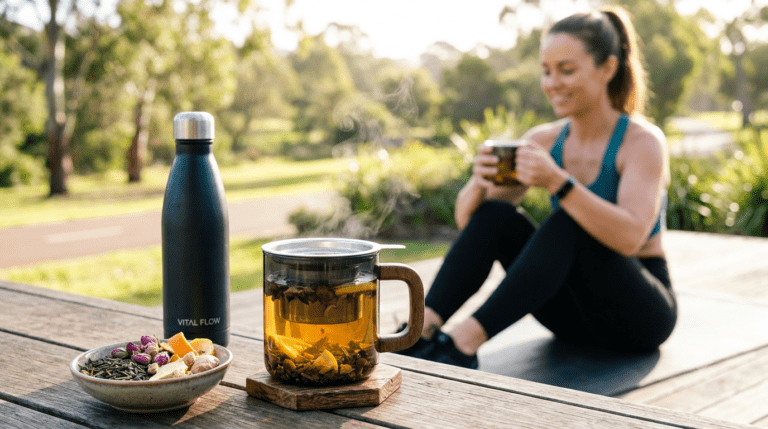
Green tea, matcha, golden milk (turmeric tea with black pepper and plant milk), and pure water infused with lemon or ginger are exceptional choices. They provide high concentrations of antioxidants like EGCG and curcumin that neutralize free radicals.