Guide to Anti-Aging Creams: Ingredients, Science, and How to Choose the Best One
The Science of Youthful Skin: The Ultimate Guide to Anti-Aging Creams Active ingredients form the core of effective anti-aging formulas.. Source: iStock
Aging is a natural, biological process, but how our skin ages is influenced heavily by environmental factors, lifestyle choices, and skincare habits. Over time, the skin loses its firm structure, elasticity decreases, and fine lines begin to appear. While aging cannot be stopped entirely, modern dermatological science has made significant strides in slowing down visible signs of aging.
At the center of this protective effort is the anti-aging creamhttps://glowingcave.com/2026/07/23/sheetmask-guide-benefits-and-how-to-use-them-right/. With thousands of products crowding beauty aisles and promising miracle transformations overnight, navigating the anti-aging landscape can feel overwhelming. This comprehensive guide breaks down how skin ages, the power of scientifically proven ingredients, and how to build an anti-aging routine that yields real results.
1. How Skin Ages: Understanding intrinsic vs. Extrinsic Aging
To choose the right anti-aging cream, it helps to understand why skin changes over time. Dermatologists divide skin aging into two primary categories:
Intrinsic Aging (Chronological Aging)
Intrinsic aging is the natural, genetically determined process that happens automatically as the years pass. Starting in our mid-20s, the body’s production of collagen (the protein responsible for skin firmness) declines by roughly 1% per year. Simultaneously, elastin fibers lose their springiness, and skin cell turnover slows down. This gradual shift leads to thinner skin, subtle loss of volume, and mild dryness.
Extrinsic Aging (Environmental Aging)
Extrinsic aging is caused by external environmental factors and lifestyle habits. Unlike intrinsic aging, extrinsic aging is largely controllable and accounts for up to 80% of visible skin aging.
- Photoaging (UV Radiation): Unprotected exposure to UVA and UVB rays breaks down collagen and elastin prematurely, leading to deep wrinkles, hyperpigmentation (age spots), and uneven texture.
- Pollution and Free Radicals: Microscopic airborne pollutants generate reactive oxygen species (free radicals) that damage cellular DNA and accelerate skin degradation.
- Lifestyle Factors: High sugar diets (which cause collagen breakdown through glycation), lack of sleep, chronic stress, and smoking drastically accelerate skin aging.
2. Key Ingredients to Look for in an Anti-Aging Cream
Not all anti-aging creamshttps://www.amazon.com/s?k=anti+wrinkle+skin+care&adgrpid=152619195101&hvadid=681381242605&hvdev=c&hvlocphy=9223217&hvnetw=g&hvqmt=e&hvrand=1516485269891695916&hvtargid=kwd-27895592&hydadcr=21004_13504467&mcid=8e167d45174f3811b26402cf4431d766&tag=hydglogoo-20&ref=pd_sl_6bdee3awgg_e are created equal. Marketing jargon often masks formulas with minimal active ingredients. When inspecting product labels, target formulations built around these scientifically validated actives:
| Active Ingredient | Primary Benefit | Best Time to Apply | Ideal Skin Type |
|---|---|---|---|
| Retinoids (Retinol, Tretinoin) | Boosts cell turnover, stimulates collagen production | Night | Normal, Oily, Combination |
| Peptides | Signals skin to produce structural proteins | Day / Night | Sensitive, Dry, Mature |
| Vitamin C (L-Ascorbic Acid) | Neutralizes free radicals, brightens hyperpigmentation | Morning | Most skin types |
| Hyaluronic Acid | Attracts water, plumps fine dehydration lines | Day / Night | All skin types |
| Niacinamide (Vitamin B3) | Strengthens barrier, evens tone, reduces redness | Day / Night | Sensitive, Acne-prone |
| Alpha Hydroxy Acids (AHAs) | Exfoliates dead surface cells, smoothes texture | Night (1-3x/week) | Dry, Sun-damaged |
Retinoids: The Gold Standard
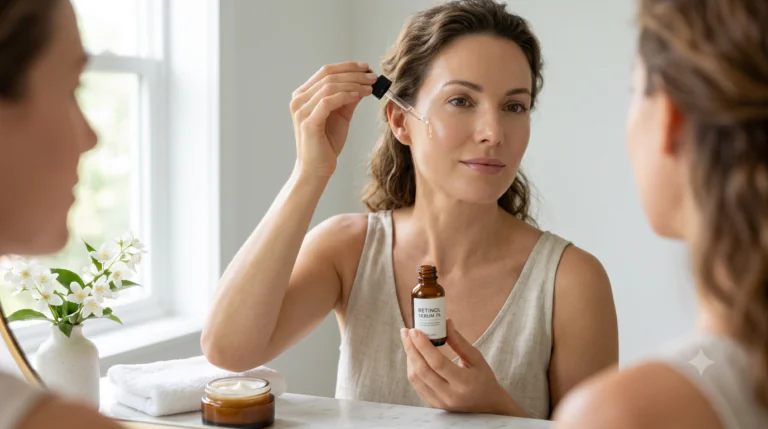
Derived from Vitamin A, retinoids remain the most thoroughly researched anti-aging ingredient in dermatology. They work at a cellular level to speed up epidermal cell renewal and prevent the breakdown of existing collagen. Regular use reduces fine lines, fades dark spots, and refines texture.
Peptides: The Gentle Builders
Peptides are short chains of amino acids that act as building blocks for proteins like collagen and elastin. When applied topically, signal peptides fool the skin into thinking collagen has broken down, triggering fresh synthesis without the irritation sometimes caused by retinoids.
Antioxidants: The Environmental Shield
Free radicals generated by sun exposure and pollution destroy skin architecture. Antioxidants like Vitamin C, Vitamin E, and Ferulic Acid act as electron donors, neutralizing free radicals before they can cause cellular damage.
3. Morning vs. Night: Tailoring Your Anti-Aging Cream Routine
Your skin has different biological priorities depending on the time of day. In the morning, it requires defense against environmental stressors. At night, it switches into repair and regeneration mode.
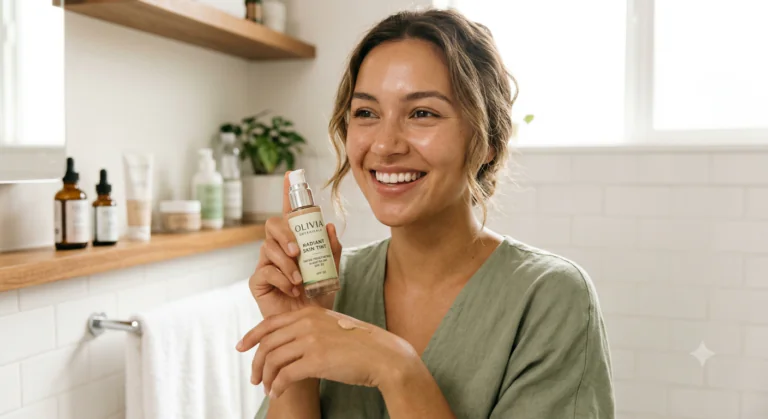
Combining daytime protection with nighttime repair maximizes skin firmness.. Source: Oliva Skin & Hair Clinic
The Daytime Defense Strategy
During the day, your anti-aging routine should prioritize protection and hydration:
- Cleanse: Use a gentle, non-stripping cleanser.
- Antioxidant Serum: Apply a Vitamin C serum to shield against environmental pollutants.
- Day Cream: Choose a lightweight anti-aging moisturizer rich in hyaluronic acid, niacinamide, or peptides.
- Sunscreen (Non-Negotiable): Apply a broad-spectrum SPF 30 or higher every single day. Without sunscreen, anti-aging creams cannot perform effectively against ongoing UV damage.
The Nighttime Repair Strategy
Nighttime is when cell division peaks and the skin barrier becomes more permeable, making it the ideal window for potent active ingredients:
- Double Cleanse: Remove sunscreen, oil, and makeup thoroughly.
- Targeted Treatment: Apply your retinoid serum or exfoliating acid.
- Night Cream: Use a richer anti-aging night cream packed with ceramides, peptides, and nourishing lipids to lock in moisture and support skin barrier repair while you sleep.
4. How to Select the Right Cream for Your Skin Type
Using a formula that misaligns with your skin’s natural balance can trigger breakouts, severe dryness, or contact dermatitis.
- Dry or Mature Skin: Look for dense cream formulations featuring ceramides, squalane, shea butter, and hyaluronic acid to restore lost lipid barriers and lock in deep hydration.
- Oily or Combination Skin: Opt for oil-free gel-creams or fluid lotions containing niacinamide, salicylic acid, and lightweight hydration agents that won’t clog pores.
- Sensitive Skin: Avoid heavy fragrance, essential oils, and high concentrations of direct acids. Look for soothing ingredients like centella asiatica (cica), oat extract, and bakuchiol (a plant-based retinol alternative).
5. Common Anti-Aging Skincare Myths Debunked
Myth 1: You shouldn’t start using anti-aging creams until you see wrinkles. Fact: Prevention is significantly easier than reversal. Incorporating antioxidant moisturizers in your mid-to-late 20s helps protect collagen reserves before noticeable structural loss occurs.
Myth 2: Higher percentages of active ingredients always mean better results. Fact: Over-concentrated formulas can cause severe inflammation and break down the skin barrier, leading to premature aging rather than preventing it. Consistency beats high intensity every time.
Myth 3: Expensive anti-aging creams are always superior. Fact: Price often reflects brand positioning, complex packaging, and marketing budgets. What matters is the stability, formulation quality, and concentration of proven active ingredients—not the price tag.
6. What to Expect: Realistic Timelines for Results
Consistency is critical when evaluating any anti-aging cream. Biological skin renewal takes approximately 28 to 40 days, meaning instant overnight fixes do not reflect true structural improvements.
- Immediate (1–3 Days): Improved surface hydration and temporary plumping of fine lines caused by dry skin (hyaluronic acid effect).
- 4 to 8 Weeks: Smoother skin texture, improved brightness, and subtle evening of skin tone (antioxidants and mild exfoliants).
- 3 to 6 Months: Noticeable reduction in fine lines, improved elasticity, and lightening of stubborn dark spots (retinoids and peptide action).
Final Thoughts: Building a Sustainable Habit
An anti-aging cream is a key component of a broader, long-term healthy skin routine. To maximize its benefits, pair topical skincare with healthy lifestyle choices: drink enough water, prioritize quality sleep, eat a diet rich in antioxidants, and wear sunscreen every single day. With consistency and the right active ingredients, maintaining healthy, resilient, and radiant skin is achievable at any age.