SheetMask Guide: Benefits and How to Use Them Right
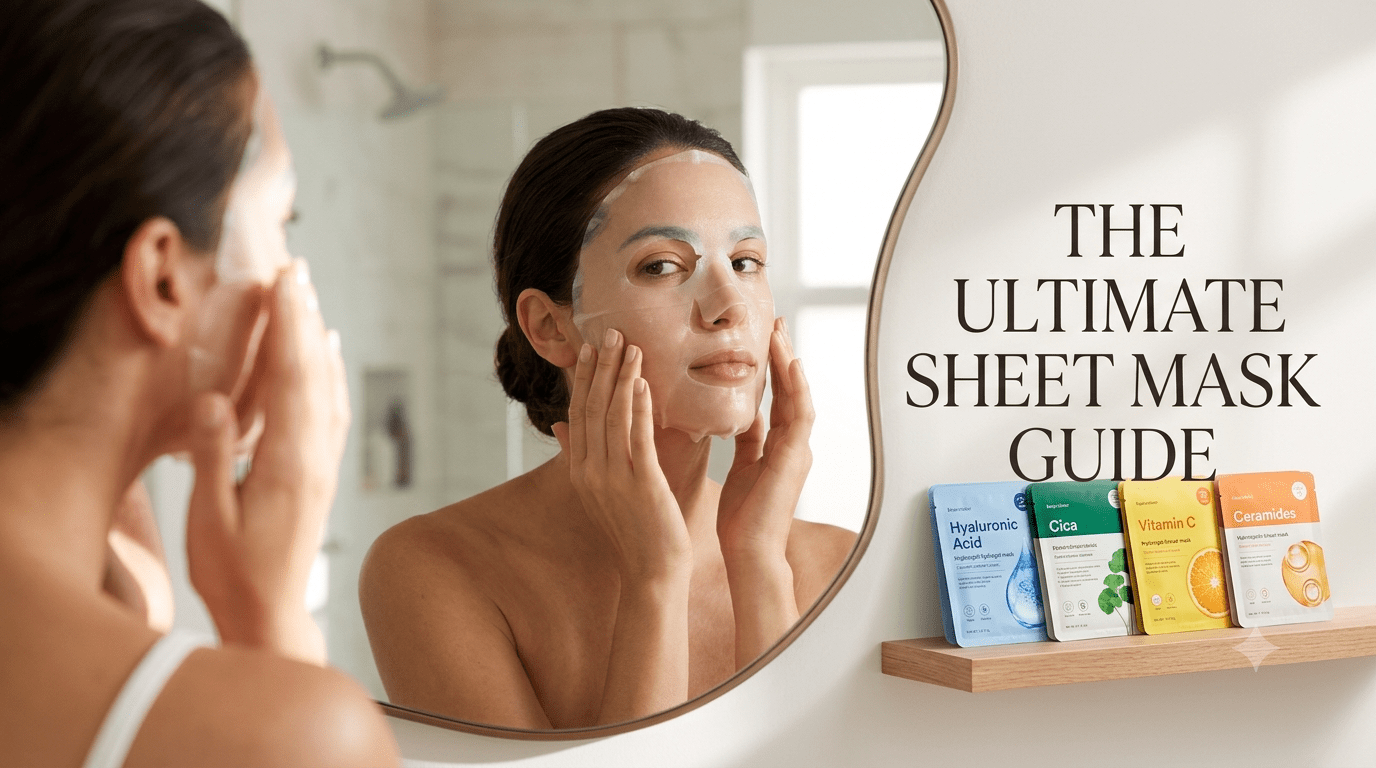
The Ultimate Guide to Sheet Masks: How They Work, Benefits, and How to Use Them Like a Pro Sheet masks lock in active ingredients using an occlusive barrier.. Source: Neutrogena
If you have paid attention to beauty trends sheetmask over the last decade, you have almost certainly encountered the sheet mask. What originated as a cornerstone of South Korean skincare routines (K-Beauty) has transformed into a global skincare phenomenon. Today, you can find sheet maskshttps://www.amazon.com/s?k=sheet+skincare+mask&adgrpid=159690251670&hvadid=681397431991&hvdev=c&hvlocphy=9223217&hvnetw=g&hvqmt=e&hvrand=14855132693410760507&hvtargid=kwd-2175923727576&hydadcr=20980_13504418&mcid=c5e9a08bc276329c8a8e2853135a5553&tag=hydglogoo-20&ref=pd_sl_3gmnqizkgv_e everywhere from high-end luxury spas to local drugstore aisles.
Despite their popularity, many people are unsure of what sheet masks actually do, how they differ from traditional clay or cream masks, and how to pick the right one for their skin concerns.
This guide covers everything you need to know about sheet masks: the science behind how they work, the different sheet materials, key ingredients to target your specific concerns, step-by-step application tips, and common mistakes that might be holding your skin back.
1. What Exactly Is a Sheet Mask and How Does It Work?
At its simplest, a sheet mask is a face-shaped fabric sheet soaked in a concentrated liquid known as an serum or essence. The sheet itself features cutouts for your eyes, nose, and mouth, allowing it to rest closely against the contours of your face.
While traditional wash-off masks (like clay, charcoal, or peel-off formulas) are designed to absorb excess oil or physically exfoliate dead skin, sheet masks serve a different purpose: deep hydration and targeted nutrient delivery.
The Science of Occlusion
The secret to a sheet mask’s effectiveness comes down to a fundamental skincare principle: occlusion.
When you apply a liquid serum directly to your skin, exposure to dry room air causes a significant portion of its water content to evaporate before your skin can absorb it. A sheet maskhttps://glowingcave.com/2026/07/22/ultimate-eye-cream-guide-benefits-ingredients-how-to-choose/ creates a physical barrier (an occlusive seal) over your skin.
This barrier serves two vital functions:
- Prevents Evaporation: It traps moisture against your skin, forcing the active ingredients to stay in contact with the skin surface for 15 to 20 minutes.
- Increases Absorption: The temporary micro-environment created under the mask increases skin temperature slightly, softening the outer layer of the skin (the stratum corneum) and making it far more receptive to absorbing active ingredients.
2. The Main Benefits of Adding Sheet Masks to Your Routine
Why should you add sheet masks to your skincare lineup when you already use serums and moisturizers? Here are the primary benefits:
Instant Hydration Boost
Sheet masks excel at flood-charging dehydrated skin. Ingredients like hyaluronic acid, glycerin, and aloe vera work rapidly to plump up fine lines caused by dryness, giving you an immediate “glass skin” glow.
Targeted Skin Treatment
Because sheet mask essences are formulated with specialized active ingredients, you can easily switch up your mask based on what your skin needs on a given day—whether that is calming irritation, brightening dull skin, or soothing active breakouts.
Soothing and Cooling Relief
The physical application of a cool liquid sheet helps constrict blood vessels slightly, reducing facial redness, puffiness, and inflammation. This makes sheet masks ideal after sun exposure, travel, or stressful days.
Convenience and Portability
Unlike traditional masks that require messy application with brushes and rinsing over a sink, sheet masks are single-use, pre-measured, and mess-free. They are easy to pack in a carry-on bag for long flights or use while relaxing at home.
3. Not All Sheets Are Created Equal: Material Matters
The fabric or material of the sheet itself plays a huge role in how much serum the mask can hold, how well it adheres to your face, and how comfortably it sits on your skin.
| Sheet Material | Key Features | Best For |
|---|---|---|
| Cotton / Non-Woven Fabric | Affordable, breathable, soft. Can dry out faster than synthetic materials. | Everyday hydration on a budget |
| Microfiber | Ultra-soft, clings tightly to the contours of the face, holds high serum density. | Maximum serum absorption |
| Hydrogel | Gel-like texture made of water and polymers. Cools on contact and locks in moisture. | Intense hydration & cooling relief |
| Bio-Cellulose | All-natural fiber produced by good bacteria. Fits like a second skin with zero slipping. | Luxury treatments & deep absorption |
| Foil Masks | Features a metallic foil backing over fabric to block evaporation entirely. | Deep moisture retention |
4. Choosing the Right Sheet Mask Ingredients for Your Skin Type
To get the most out of a sheet mask, match the serum’s core ingredients to your specific skin type or current skin condition:
                  ┌───────────────────────────────┐
                  │    WHAT IS YOUR SKIN NEED?    │
                  └───────────────┬───────────────┘
                                  │
      ┌───────────────────────────┼───────────────────────────┐
      ▼                           ▼                           ▼
[ DEHYDRATION ]            [ DULLNESS / SPOTS ]         [ REDNESS / ACNE ]
  • Hyaluronic Acid          • Niacinamide                • Centella Asiatica
  • Glycerin                 • Vitamin C                  • Tea Tree Oil
  • Ceramides                • Arbutin                    • Salicylic Acid
Dry or Dehydrated Skin
- Key Ingredients: Hyaluronic Acid, Glycerin, Ceramides, Squalane, Panthenol (Vitamin B5).
- Goal: Restore the moisture barrier and lock in hydration to prevent flaking and tightness.
Dull or Uneven Skin Tone
- Key Ingredients: Niacinamide, Vitamin C, Licorice Root Extract, Arbutin.
- Goal: Inhibit melanin production, reduce dark spots, and restore a bright, radiant complexion.
Sensitive or Irritated Skin
- Key Ingredients: Centella Asiatica (Cica), Green Tea Extract, Allantoin, Chamomile, Aloe Vera.
- Goal: Calm redness, lower skin temperature, and soothe inflammation without causing irritation.
Oily or Acne-Prone Skin
- Key Ingredients: Tea Tree Oil, Salicylic Acid (BHA), Witch Hazel, Charcoal, Zinc PCA.
- Goal: Balance sebum production, clear clogged pores, and provide lightweight hydration without clogging pores.
5. How to Apply a Sheet Mask Correctly (Step-by-Step)
To get the best possible results from your sheet mask, follow this optimized application process:
1
Cleanse Thoroughly
Step 1
1.Cleanse Thoroughly:Step 1.
Always start with a clean face. Washing away dirt, makeup, and excess oil ensures the sheet mask serum can penetrate your skin directly rather than sitting on top of debris.
2
Prep with Toner
Step 2
2.Prep with Toner:Step 2.
Apply a hydrating toner using your hands or a cotton pad. Toner balances your skin’s pH levels and dampens the skin, which helps it absorb active ingredients more effectively.
3
Unfold and Position the Mask
Step 3
3.Unfold and Position the Mask:Step 3.
Carefully remove the mask from its pouch. Align the eye openings first, then smooth the sheet across your nose, mouth, and cheeks. Gently press out air bubbles so the sheet makes full contact with your skin.
4
Relax for 15 to 20 Minutes
Step 4
4.Relax for 15 to 20 Minutes:Step 4.
Lie back and relax. Keep the mask on for 15 to 20 minutes (or the exact time recommended on the package).
5
Remove and Pat in the Remaining Essence
Step 5
5.Remove and Pat in the Remaining Essence:Step 5.
Peel off the mask and discard it. Do not wash your face! Gently tap the remaining serum into your face and neck using your fingertips until fully absorbed.
6
Seal It with Moisturizer
Step 6
6.Seal It with Moisturizer:Step 6.
Finish by applying your favorite facial moisturizer or oil. This creates a protective outer layer that seals in all the hydration and nourishment provided by the mask.
6. Common Sheet Mask Mistakes to Avoid
Even though using a sheet mask seems simple, a few subtle mistakes can reduce its benefits—or even leave your skin drier than before.
Crucial Rule: Never leave a sheet mask on until it turns completely bone-dry!
1. Leaving the Mask On Too Long
Leaving a sheet mask on until it dries completely causes a process called reverse osmosis. Once the fabric runs out of moisture, it begins sucking hydration back out of your skin into the dry material. Always remove the sheet while it is still damp.
2. Washing Your Face After Removal
Unless explicitly stated on the packaging (which is rare), sheet mask essence is meant to stay on your skin. Rinsing your face immediately after removing the mask washes away all the active ingredients you just applied.
3. Skipping Moisturizer Afterward
Sheet mask serums are humectants—they pull moisture into the skin. However, without an occlusive cream or moisturizer applied on top to lock it in, that hydration can evaporate quickly into the dry air.
4. Wasting the Extra Essence
Sheet mask pouches almost always contain leftover serum at the bottom. Don’t throw it out! Massage the excess liquid onto your neck, chest, arms, and elbows so nothing goes to waste.
Summary Checklist for Maximum Results
- Frequency: 1 to 3 times per week is ideal for most skin types.
- Duration: Keep it on for 15–20 minutes maximum.
- Order of Steps: Cleanser → Toner → Sheet Mask → Serum (optional) → Moisturizer.
- Storage Tip: Store your sheet masks in the refrigerator for an extra cooling, de-puffing effect!