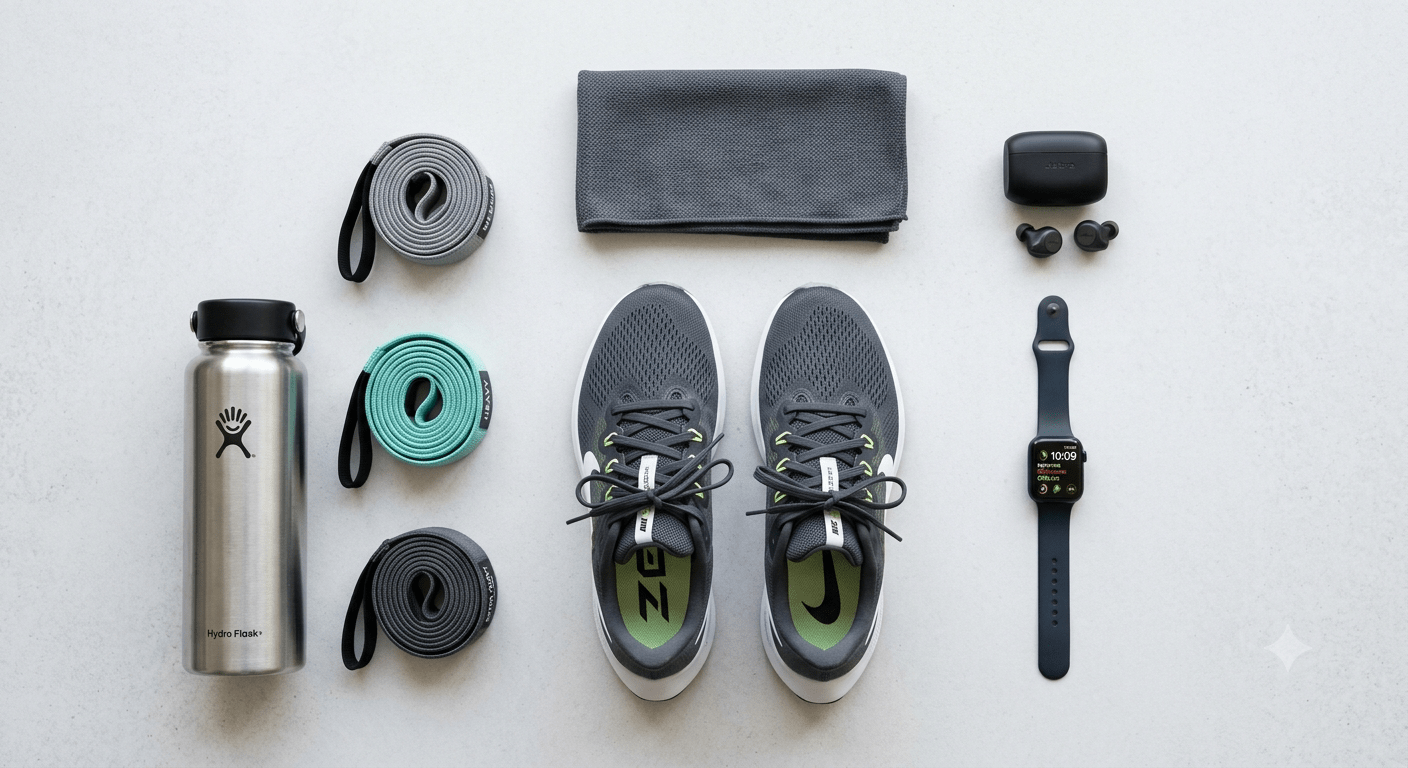
Ultimate Gym Essentials Guide: What to Pack in Your Gym Bag For Peak Performance
Packing a gym bag might seem straightforward, but anyone who has ever arrived at the fitness center only to realize they forgot their headphones or packed flat running shoes for a heavy squat session knows the truth. Having the right tools isn’t just about convenience—it directly impacts your workout quality, hygiene, and long-term joint health.
Whether you are stepping into a weight room for the very first time or you are a seasoned lifter optimizing your split, this comprehensive breakdown covers every tier of gym essentialshttps://glowingcave.com/2026/07/18/foam-rolling-guide-benefit-technique-and-mistake-to-aviod/ you need to maximize your time under the iron.
1. The Core Essentials (The “Don’t Leave Home Without Them” Items)
These are the baseline items. Without them, your workout is either compromised or altogether canceled.
The Right Footwear: Form Follows Function
Your feet are your foundation. Wearing the wrong shoes can throw off your kinetic chain (the interrelated system of joints and muscles working together) and lead to injury.
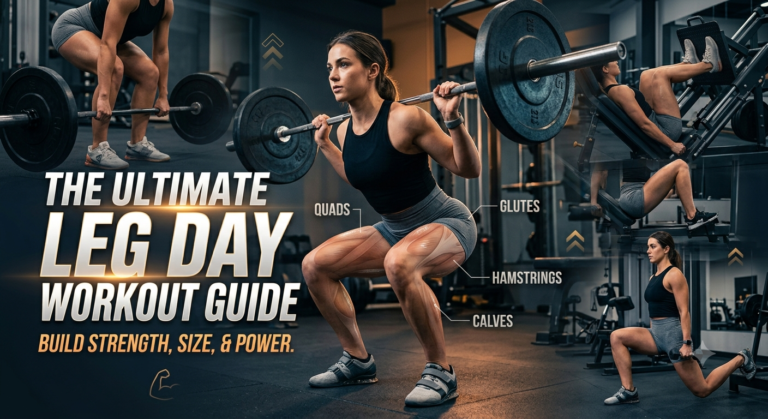
- For Lifters: Look for flat, hard-soled shoes like Converse Chuck Taylors or dedicated lifting shoes. They keep your weight distributed evenly across your heel and midfoot, allowing for maximum force production during deadlifts and squats.
- For Runners/Cardio Enthusiasts: Opt for well-cushioned running shoes with solid arch support to absorb the repetitive impact of the treadmill or pavement.
- For Cross-Trainers: If your routine combines plyometrics, lifting, and rowing, a hybrid cross-training shoe offers lateral stability alongside minor heel cushioning.
Apparel: Ditch the 100% Cotton
Cotton absorbs sweat like a sponge and holds onto it, leading to chafing, trapped odors, and rapid body temperature dropshttps://stayfit.pk/ when you step into an air-conditioned room. Instead, look for synthetic blends:
- Polyester and Nylon: Highly durable, lightweight, and engineered to wick moisture away from your skin to the outer layer of the fabric where it can evaporate.
- Spandex/Elastane: Provides the stretch and mobility required for deep squats or overhead presses without tearing.
Hydration: More Than Just an Afterthought
Dehydration drops your physical performance by up to 15% and accelerates muscle fatigue. Bring a durable, insulated stainless steel water bottle. It keeps your water ice-cold for hours and eliminates the environmental waste of single-use plastics. If you sweat heavily or workout for over an hour, consider dropping an electrolyte tablet into your bottle to replenish lost sodium and potassium.
2. Training & Performance Gear (Level Up Your Lifts)
Once your baseline is covered, investing in specialized hardware can help you push past performance plateaus and protect vulnerable joints.
Resistance Bands
A set of lightweight loop bands takes up almost zero space but serves multiple purposes:
- Warm-ups: Activating the glutes, rotator cuffs, and hips before moving heavy weights prevents strain.
- Progressive Overload: Wrapping a band around a barbell can add variable resistance, making the top of a movement harder.
Weightlifting Belts
A lifting belt is not a magical shield for a weak lower back, nor should it be worn for every exercise. Its true purpose is to give your core muscles something to brace against. By pushing your abdomen out against the belt, you increase intra-abdominal pressure, stabilizing your spine during heavy compound lifts like squats, overhead presses, and deadlifts.
Lifting Straps vs. Wrist Wraps (The Common Confusion)
Many gym-goers confuse these two items, but they serve opposite functions:
| Gear Type | Primary Purpose | Best Used For |
| Lifting Straps | Eliminates grip fatigue by mechanically securing your hands to the barbell. | Heavy deadlifts, barbell rows, shrugs. |
| Wrist Wraps | Immobilizes the wrist joint to prevent hyperextension under a load. | Heavy bench press, overhead press, low-bar squats. |
3. Tech & Entertainment (The Psychological Edge)
The mental game of working out is just as important as the physical. The right tech keeps you focused, tracks your data, and blocks out the distractions of a crowded gym floor.
Wireless Noise-Canceling Earbuds
The gym’s overhead music playlist rarely matches everyone’s training tempo. A reliable pair of sweat-resistant wireless earbuds lets you tap into your favorite high-energy playlists or podcasts. Active Noise Cancellation (ANC) is a game-changer for zoning out chatty gym patrons and locking into your zone.
Smartwatches and Fitness Trackers
You cannot manage what you do not measure. A modern fitness tracker helps you monitor:
- Heart Rate Zones: Vital for ensuring you are actually hitting aerobic or anaerobic thresholds during high-intensity interval training (HIIT).
- Rest Timers: Keeps you honest. It stops you from scrolling social media for five minutes between sets when you should only be resting for 90 seconds.
- Log Apps: Digital tracking of your sets, reps, and weights to guarantee you are practicing progressive overload week-over-week.
4. Hygiene & Personal Care (Gym Etiquette & Skin Health)
Gym environments are breeding grounds for bacteria. Protecting your skin and keeping the space clean for others is non-negotiable.
The Microfiber Gym Towel
Never use the same towel to wipe down your face that you used to wipe off a sweaty bench. Keep a small, quick-drying microfiber towel in your bag. Microfiber dries significantly faster than standard cotton, preventing that damp, musty smell from taking over your gym bag.
Post-Workout Skincare & Hygiene
Sweat mixed with surface dirt and excess oils blocks pores, leading to acne and breakouts.
- Face Wipes: If you can’t shower immediately at the gym, use a salicylic acid face wipe right after your workout to clean your pores.
- Shower Slides: Always wear rubber sandals in community showers to protect your feet from fungal infections like athlete’s foot.
- Body Spray/Deodorant: Be mindful of others. Reapplying a quick layer of stick deodorant post-workout keeps the locker room pleasant.
5. Nutrition & Recovery (The Workout Doesn’t End at the Exit Door)
What you do immediately following your last set dictates how well your body repairs the micro-tears created in your muscle fibers during training.
Shaker Cups & Supplements
A leak-proof shaker cup with a wire whisk ball is an absolute staple. Keeping a scoop of whey protein isolate or a plant-based alternative ready in your shaker allows you to fuel your body with fast-digesting amino acids immediately after your workout.
Post-Workout Snacks
If protein powders aren’t your preference, keep shelf-stable, macro-friendly snacks tucked in your bag’s side pockets:
- Protein Bars: Look for options with low sugar and at least 20 grams of protein.
- Rice Cakes and Nut Butter: Provides a quick burst of fast-absorbing carbohydrates to replenish glycogen stores alongside healthy fats.
6. The Gym Bag Itself: Organizing Your Arsenal
All this gear is useless if it’s piled into a chaotic mess at the bottom of a backpack. The ideal gym bag should be functional, durable, and structurally organized.
+-------------------------------------------------------+
|                      MAIN COMPARTMENT                  |
|  [ Apparel ]   [ Lifting Belt ]   [ Shaker Bottle ]  |
+-------------------------------------------------------+
|  [VENTILATED SHOE POCKET] |  [WATER-RESISTANT POCKET] |
|   Muddy/Sweaty Footwear   |   Damp Towels / Swimwear  |
+---------------------------+---------------------------+
|  [EXTERNAL MESH]          |  [ZIPPERED ACCESSORIES]   |
|   Water Bottle            |   Keys, Earbuds, Straps   |
+-------------------------------------------------------+
When shopping for a bag, prioritize dedicated shoe compartments with mesh ventilation. This separates your dirty lifting shoes or running sneakers from your clean clothes and lets them air out, cutting down on odor build-up. A water-resistant base lining is also excellent for times when you have to set your bag down on a damp locker room floor.
Final Thoughts: Build Your Kit Gradually
You don’t need to buy every single item on this list before your first day back at the gym. Start with the core essentials—proper shoes, moisture-wicking apparel, and a solid water bottle. As your workouts become more specific, your weights heavier, and your recovery needs higher, gradually add performance tools like straps, belts, and specialized tech.
By curated an intentional, organized gym bag, you remove the friction of preparing for your workouts, allowing you to focus entirely on hitting your goals and breaking personal records.