
La Roche-Posay Retinol B3 Serum: The Secret to Smoother, Younger-Looking Skin?
La Roche-Posay Retinol B3 Serum: Full Review
Introduction: Can One Serum Make Your Skin Look Smoother and Younger

Have you ever looked in the mirror and noticed fine lines, uneven texture, or a tired-looking complexion that your regular moisturizer does not seem to improve? You are not alone. Many people want smoother, brighter-looking skin without adding too many complicated products to their daily routine.
This is where La Roche-Posay Retinol B3 Serum attracts attention. It combines retinol, an ingredient widely used to improve the appearance of fine lines and wrinkles, with vitamin B3, also known as niacinamide. The formula is designed to address visible signs of skin aging while helping support the skin’s moisture
But is it worth adding to your skincare routine? Can beginners use it? And what should you know before applying it to your face?
In this guide, we will explore the serum’s key ingredients, potential benefits, proper application, possible side effects, and the precautions that can help you make an informed decision.
What Is La Roche-Posay Retinol B3 Serum?
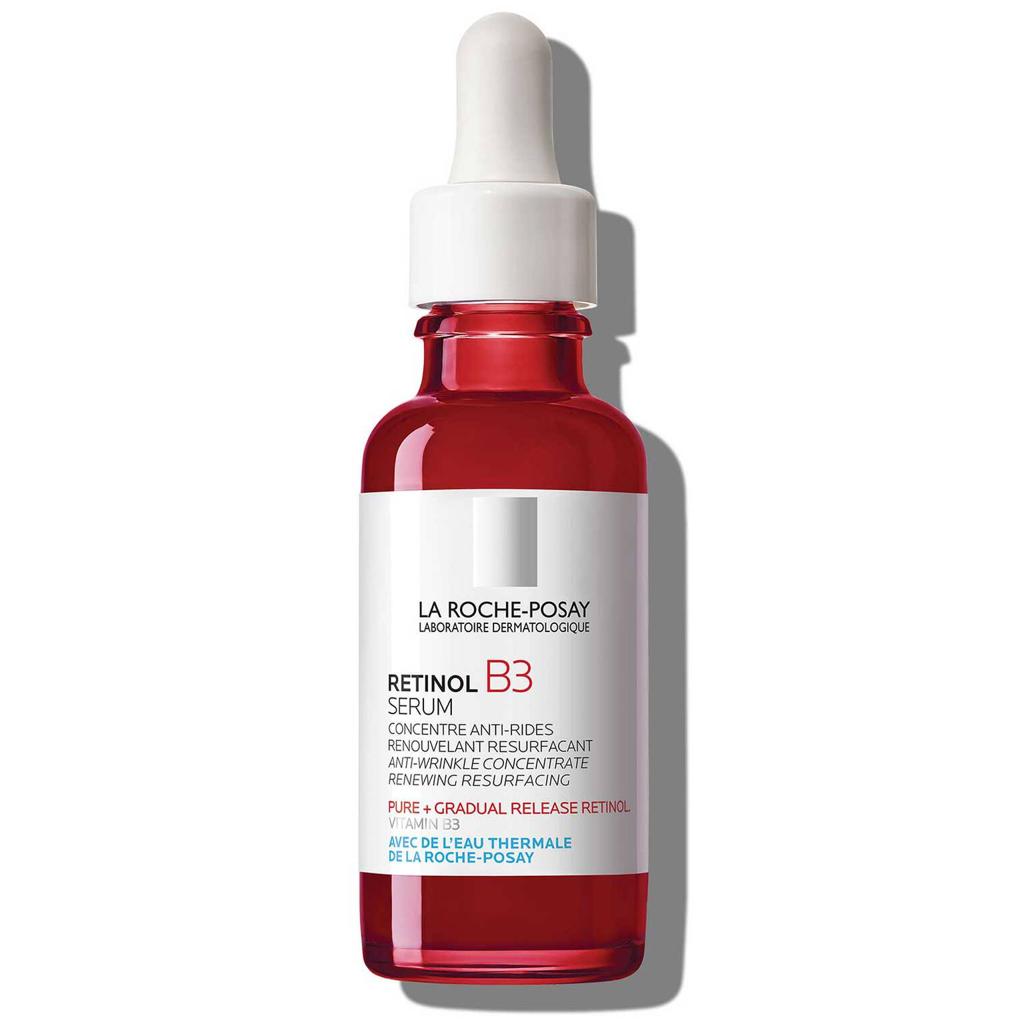
La Roche-Posay Retinol B3 Serum is an anti-aging facial serum intended to improve the appearance of fine lines, wrinkles, uneven skin tone, and visible signs of sun-related skin aging.
Its formula combines pure retinol with a gradual-release retinol approach, alongside vitamin B3 and moisturizing ingredients. The idea is to provide retinol’s skin-renewing benefits while supporting hydration and comfort.
The serum is intended for evening use on the face and neck, avoiding the eye area. Although the brand describes it as suitable for sensitive skin, individual tolerance varies, and sensitive skin can still react to retinol or fragrance.
Product highlights:
- Targets the appearance of fine lines and wrinkles.
- Helps improve the look of uneven skin texture.
- Supports a smoother, more luminous-looking complexion.
- Includes niacinamide and moisturizing ingredients.
- Is designed for nighttime skincare.
Remember that skincare results vary. This serum cannot stop the natural aging process or erase every wrinkle.
Key Ingredients: What Makes This Serum Interesting?
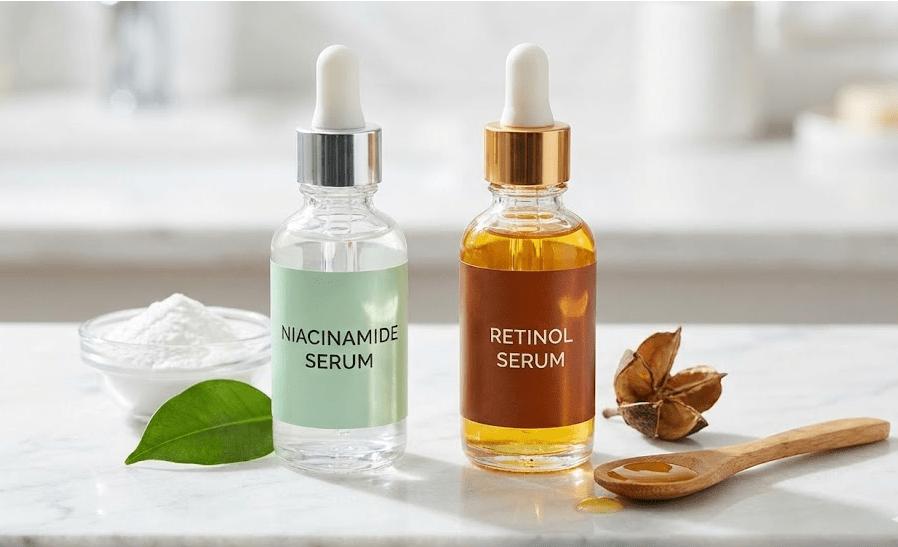
A skincare product’s ingredient list can tell you more about its purpose than its packaging. Here are the main ingredients worth understanding.
1. Retinol: The Ingredient That Targets Fine Lines
Retinol is a vitamin A derivative commonly used in skincare to improve the appearance of fine lines, wrinkles, and uneven skin texture. It supports skin-cell turnover, helping the surface look more refined over time.
With consistent use, retinol may also help improve the appearance of sun-related skin changes. However, it takes patience. Visible improvements generally develop gradually over several weeks, and more substantial changes may take longer.
Retinol is also a potentially irritating ingredient, especially when introduced too quickly. Starting slowly is usually more sensible than applying it every night from the beginning.
2. Vitamin B3 (Niacinamide): Support for the Skin Barrier
Niacinamide is a form of vitamin B3 used in skincare to support the skin barrier and help reduce the appearance of uneven pigmentation. It can also help skin retain moisture and look more balanced.
In a retinol serum, niacinamide is a useful supporting ingredient because retinol can cause dryness and irritation in some people. However, its presence does not guarantee that everyone will tolerate the formula without side effects.
3. Glycerin: Everyday Hydration
Glycerin is a humectant, meaning it helps attract and retain water in the skin. Better hydration can make skin feel softer and temporarily make fine dehydration lines less noticeable.
This is especially useful when building a routine around an active ingredient such as retinol, which may leave skin feeling dry or tight.
4. Hyaluronic Acid: Helping Skin Hold Moisture
The product’s listed formula includes sodium hyaluronate, a form of hyaluronic acid that helps attract water and support skin hydration.
Hydrated skin can appear plumper and smoother. Nevertheless, hydration is not the same as permanently removing wrinkles, and results depend on your overall skincare routine and skin condition.
Potential Benefits of La Roche-Posay Retinol B3 Serum

May Improve the Appearance of Fine Lines and Wrinkles
Retinol is the key ingredient for people concerned about early signs of aging. Regular, well-tolerated use may gradually soften the appearance of fine lines and wrinkles.
Do not expect an overnight transformation. Deep wrinkles are unlikely to disappear completely, and individual results depend on factors such as age, sun exposure, skin condition, and consistency.
Can Help Refine Uneven Skin Texture
If your skin feels rough or looks less smooth than you would like, retinol may help improve its appearance over time. Its effects on skin-cell turnover can support a more refined-looking surface.
Introduce it gradually, because irritation and excessive dryness can make texture look worse temporarily.
Supports a More Radiant-Looking Complexion
Uneven tone and dullness can make skin appear tired. By supporting skin renewal, retinol may help improve the appearance of uneven complexion over time.
Niacinamide may provide additional support for the appearance of discoloration. However, persistent pigmentation can have several causes, and this serum is not a guaranteed treatment for every dark spot.
Helps Skin Feel Softer and More Hydrated
Glycerin and sodium hyaluronate help attract moisture, while other formula ingredients help reduce moisture loss. This can complement retinol’s skin-renewing action.
The most realistic expectation is skin that may gradually look smoother, more even, and better hydrated—not flawless skin without pores or natural texture.
Which Skin Types May Benefit Most?

La Roche-Posay Retinol B3 Serum may be worth considering if your main concerns include fine lines, early visible signs of aging, uneven texture, or dull-looking skin.i
- Normal skin: May tolerate retinol well when introduced gradually.
- Dry skin: May benefit from the hydrating ingredients, although a separate moisturizer is still important.
- Combination skin: May find it useful for texture and fine-line concerns.
- Sensitive skin: Should approach retinol cautiously, even when a product is marketed as suitable for sensitive skin.
- Oily skin: May use retinol for texture-related concerns, but should still monitor dryness and irritation.
If you have eczema, rosacea, a damaged skin barrier, or skin that is already irritated, seek advice from a dermatologist before starting retinol. Also, check the packaging for the exact formula sold in your country, because formulations can differ between markets.
How to Use La Roche-Posay Retinol B3 Serum Correctly

Using retinol correctly is just as important as choosing the right product. A simple routine can help you introduce it without overwhelming your skin.
Step 1: Cleanse Your Face
Wash your face with a gentle cleanser to remove dirt, oil, and makeup. Avoid harsh scrubs or cleansers that leave your skin feeling tight.
Pat your face dry before applying the serum.
Step 2: Apply a Small Amount
Apply approximately three to four drops in the evening, following the product’s instructions. Spread the serum gently over the face and neck, avoiding the eye contour, eyelids, lips, and any irritated or broken skin.
Do not assume that applying more will produce faster results.
Step 3: Follow With Moisturizer
Once the serum has been applied, use a gentle moisturizer to help maintain hydration. If you have dry or easily irritated skin, applying moisturizer before and after retinol may help make your routine more comfortable.
Step 4: Start Slowly
If you are new to retinol, begin with one or two applications per week, or follow your dermatologist’s advice. Increase the frequency only when your skin tolerates it comfortably.
The manufacturer’s guidance for its 0.3% Retinol + Vitamin B3 formula also recommends introducing the product gradually. Check your own bottle because regional formulations and directions may differ.
Step 5: Wear Sunscreen Every Morning

Daily broad-spectrum sunscreen is essential when using retinol. Choose at least SPF 30 and reapply as directed, particularly after sweating, swimming, or prolonged outdoor exposure.
Sun protection helps limit additional sun damage and supports your overall skincare goals.
Possible Side Effects You Should Know About
Retinol can be effective, but it is not completely risk-free. During the first few weeks, some people experience:
- Dryness or tightness.
- Redness or mild irritation.
- Peeling or flaking.
- Increased sensitivity to sunlight.
- A stinging sensation, particularly on an already irritated skin barrier.
Mild dryness can sometimes occur while your skin adjusts. However, severe burning, swelling, persistent redness, or painful irritation should not be ignored. Stop using the product and seek medical advice if these symptoms develop.
Avoid combining retinol with several strong exfoliating products in the same routine when you are starting out. AHAs, BHAs, scrubs, and other retinoids can increase the risk of irritation.
Important: Avoid retinol products during pregnancy and while breastfeeding as a precaution, following the manufacturer’s warning and consulting your healthcare professional.
When Can You Expect to See Results?
One of the biggest skincare mistakes is expecting visible changes after only two or three applications.
Your skin may feel softer or look more hydrated relatively quickly because of the moisturizing ingredients. Changes in fine lines, texture, and uneven tone generally require consistent use over several weeks or longer.
Results depend on your skin type, the formula, application frequency, sun exposure, and whether you maintain a healthy skin barrier.
Take progress photographs in similar lighting every few weeks rather than examining your skin daily. This makes gradual changes easier to assess.
If irritation develops, do not push through it just to maintain a schedule. Reducing use or stopping temporarily may be more appropriate.
Is La Roche-Posay Retinol B3 Serum Worth Trying?
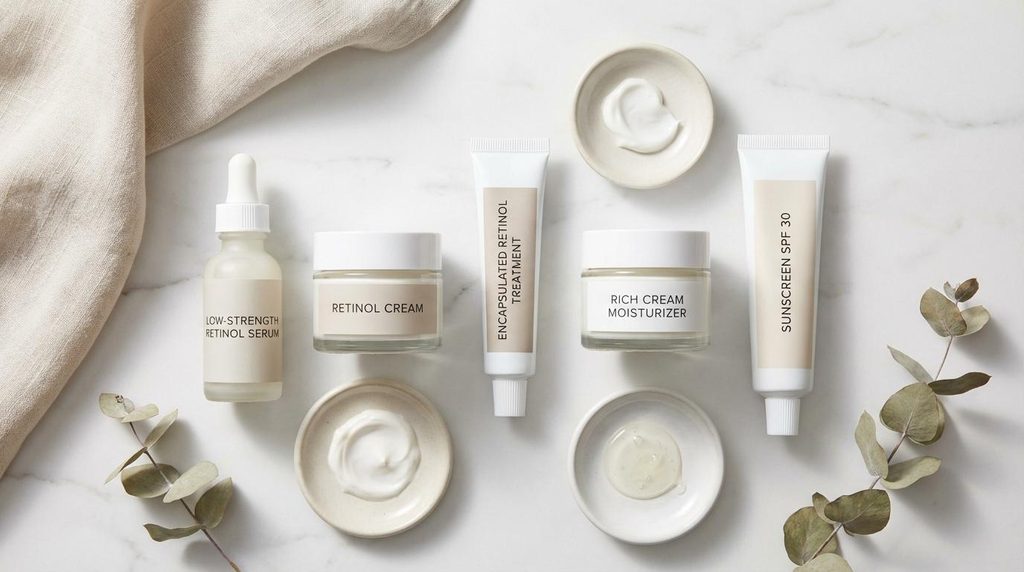
La Roche-Posay Retinol B3 Serum may be a worthwhile option for adults who want to address visible fine lines, uneven texture, and dullness with a dedicated nighttime serum.
Its combination of retinol, niacinamide, glycerin, and sodium hyaluronate gives it a useful mix of skin-renewing and moisturizing ingredients.
However, it may not be the right choice for everyone. If you are highly sensitive to retinol, prefer fragrance-free products, or currently have irritated skin, another product or a dermatologist-guided approach may be more suitable.
Before purchasing, compare the ingredient list and retinol concentration on the exact version available in your country. Buy from an authorized or otherwise trustworthy seller to reduce the risk of counterfeit products.
Ultimately, the best serum is not necessarily the most expensive or popular one. It is the one that suits your skin concerns, fits your budget, and can be used consistently and safely.
Frequently Asked Questions
1. Is La Roche-Posay Retinol B3 Serum good for beginners?
It may be suitable for some beginners, but start slowly and monitor your skin’s response. Retinol can cause irritation even when a formula includes niacinamide and moisturizing ingredients.
2. Can I use Retinol B3 Serum every night?
Not immediately if you are new to retinol. Start with one or two nights per week and increase gradually as tolerated, following the instructions for your particular product.
3. Does La Roche-Posay Retinol B3 Serum remove wrinkles?
It may help reduce the appearance of fine lines and wrinkles with consistent use. It will not completely eliminate deep wrinkles or stop natural aging.
4. Can I use it on sensitive skin?
The formula is marketed for use on sensitive skin in some markets, but individual reactions vary. Patch-test first, introduce it cautiously, and consult a dermatologist if you have a skin condition.
5. Can I use this serum with vitamin C?
It may be possible to use vitamin C and retinol in the same overall routine, but introducing both at once can make irritation harder to manage. A simpler approach is to use vitamin C in the morning and retinol at night, with moisturizer and daily sunscreen.
6. Can I use it with niacinamide?
Niacinamide is already included in the serum’s formula. If you want to use an additional niacinamide product, introduce it separately and monitor your skin for irritation.
7. Should I use Retinol B3 Serum in the morning or at night?
Nighttime is the recommended approach for the serum discussed in this review. Use sunscreen during the day.
8. Can I use retinol during pregnancy?
No. Avoid retinol during pregnancy and seek medical advice about pregnancy-safe skincare alternatives. The manufacturer also advises avoiding the product while breastfeeding.
Final Verdict
La Roche-Posay Retinol B3 Serum combines a well-known skin-renewing ingredient with moisturizing and barrier-supporting ingredients. It may help improve the appearance of fine lines, uneven texture, and dullness when used consistently and tolerated well.
The secret is not applying more serum or expecting overnight results. It is introducing retinol gradually, moisturizing properly, and protecting your skin from the sun every day.
If you are looking for a more refined-looking complexion, this serum could be worth considering—but your skin’s needs and tolerance should always come first.
Disclaimer: This article is for educational purposes only and does not replace professional dermatological advice.