
Best Eye Serum for Dark Circles: 7 Secrets to Brighter Eyes
Have you ever looked in the mirror after a full night’s sleep and wondered why your eyes still look tired? Dark circles can make your face appear less refreshed, even when you feel perfectly fine. Concealer may hide them temporarily, but many people want a skincare routine that helps improve the appearance of the delicate under-eye area over time.
This is where an eye serum can become a useful addition to your beauty routine. The right formula may help hydrate dry skin, reduce the appearance of puffiness, improve uneven skin tone, and soften the look of fine lines.
However, there is one important thing to understand: not all dark circles have the same cause, and not every eye serum will work equally well for everyone. Choosing ingredients that match your particular concern is the real secret to getting better results.
1. Understanding Dark Circles: Why Do They Appear?

Dark circles are among the most common skincare concerns. Some people notice them during their teenage years, while others develop them gradually with age. Although lack of sleep is often blamed, several different factors can contribute to their appearance.
The skin beneath your eyes is thinner and more delicate than much of the skin on your face. Because of this, blood vessels, pigmentation, and changes in the underlying tissues can become more noticeable.
Here are some common causes:
- Genetics: Some people naturally have darker pigmentation or a facial structure that creates shadows beneath the eyes.
- Lack of sleep: Poor sleep can make the face look tired and may make existing dark circles more noticeable.
- Dehydration: When the skin is dry, the under-eye area can look less smooth and more tired.
- Sun exposure: UV exposure can contribute to excess pigmentation around the eyes.
- Aging: As skin loses collagen and volume, hollows and shadows may become more apparent.
- Allergies: Allergic reactions can cause inflammation, rubbing, and changes in the appearance of the under-eye area.
Understanding the cause matters because an eye serum that helps pigmentation may not significantly improve deep hollows caused by facial structure.
If your dark circles are primarily genetic, for example, skincare may help soften their appearance but is unlikely to eliminate them completely.
2. What Is an Eye Serum, and How Can It Help:
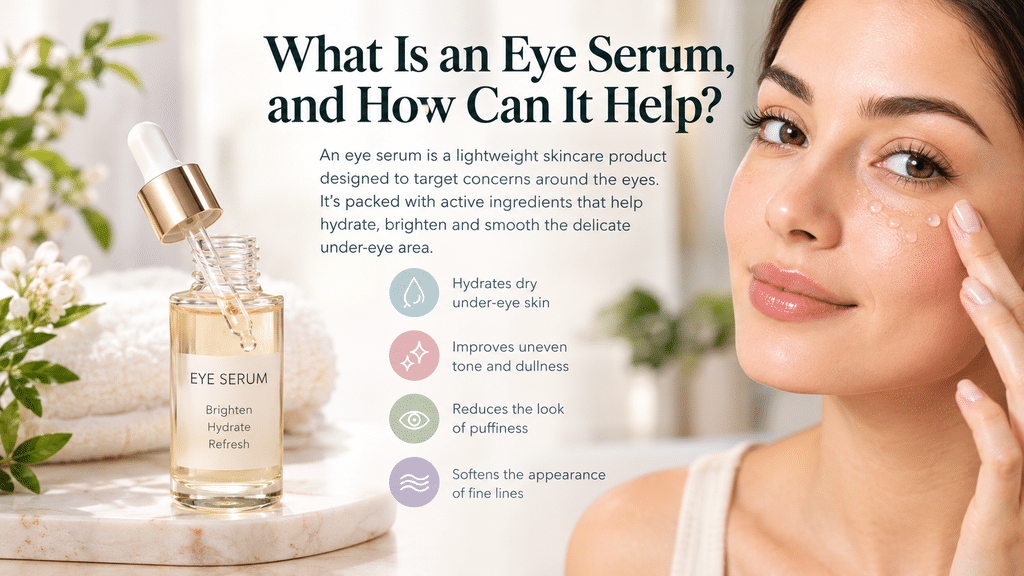
An eye serum is a lightweight skincare product designed to address concerns around the eyes. Depending on its formula, it may contain ingredients that hydrate the skin, support the skin barrier, improve the appearance of uneven tone, or temporarily reduce puffiness.
Unlike a rich eye cream, a serum often has a lighter texture that absorbs quickly. However, neither product is automatically better than the other. The ingredients and formulation matter more than whether the product is called a serum or a cream.
A well-formulated eye serum may help with:
- Improving the appearance of dull, tired-looking skin.
- Adding moisture to dry under-eye skin.
- Making fine lines caused by dryness less noticeable.
- Reducing the appearance of temporary puffiness.
- Gradually improving the appearance of certain types of pigmentation.
The results depend on the ingredients, the cause of your dark circles, and how consistently you use the product.
It is also important to keep your expectations realistic. An eye serum cannot necessarily remove hereditary pigmentation, restore lost facial volume, or correct every cause of under-eye darkness.
3. Key Ingredients to Look for in an Eye Serum

Reading the ingredient list can help you choose a product that suits your needs instead of spending money on attractive packaging or exaggerated promises.
Here are six ingredients worth considering.
Vitamin C for Brighter-Looking Skin
Vitamin C is an antioxidant used in skincare to help protect against oxidative stress and improve the appearance of uneven pigmentation. With regular use, a suitable formula may help the under-eye area look brighter.
Look for a well-formulated product intended for the eye area. Vitamin C products can vary in strength and stability, and stronger formulas may irritate sensitive skin.
Caffeine for Temporary Puffiness
Caffeine is popular in eye serums because it may temporarily improve the appearance of puffiness. It can influence blood vessels and help the under-eye area look more refreshed.
It is especially worth considering if you wake up with mild under-eye swelling. However, caffeine cannot permanently remove genetic dark circles or deep hollows.
Hyaluronic Acid for Hydration
Hyaluronic acid attracts and holds water, helping the skin feel hydrated and look plumper. This can make dehydration-related fine lines less noticeable.
If your under-eye skin feels tight or looks crepey, a hydrating serum containing hyaluronic acid may be a practical option.
Niacinamide for Uneven Skin Tone
Niacinamide, a form of vitamin B3, supports the skin barrier and can help improve the appearance of uneven tone. It may be useful for people concerned about pigmentation and dryness.
Choose a gentle formulation rather than assuming that a higher concentration will automatically deliver better results.
Peptides for a Smoother Appearance
Peptides are included in some skincare products to support the appearance of smoother, firmer-looking skin. They may complement a routine focused on fine lines and skin texture, although results vary by formula.
Retinol for Fine Lines
Retinol is a vitamin A derivative that can help improve the appearance of fine lines and skin texture over time. However, the skin around the eyes is sensitive, and retinol can cause dryness, redness, or irritation.
If you want to use it, select a product specifically formulated for the eye area and introduce it cautiously. Avoid retinoids during pregnancy unless your healthcare professional specifically advises otherwise.
My practical recommendation: If your main concern is dullness and uneven pigmentation, consider a gentle vitamin C or niacinamide eye serum. For puffiness, look for caffeine. If dryness makes your dark circles more noticeable, prioritize hydration.
4. How to Choose the Best Eye Serum for Dark Circles

With so many eye serums available, choosing one can feel confusing. Instead of buying the most expensive product or the one trending on social media, start by identifying your biggest concern.
| Your main concern | Ingredients to consider |
|---|---|
| Dullness and uneven pigmentation | Vitamin C, niacinamide |
| Morning puffiness | Caffeine |
| Dry, tired-looking skin | Hyaluronic acid, glycerin |
| Fine lines and rough texture | Peptides, gentle eye-area retinol |
| Sensitive under-eye skin | Fragrance-free, hydrating formulas |
These ingredients are starting points, not guarantees. The full formula, concentration, packaging, and your skin’s tolerance all affect performance.
Check the Formula Before Buying
Look for a product that clearly lists its ingredients and provides instructions for use. If your eyes are sensitive, a fragrance-free formula may be a better starting point.
Avoid products that promise to erase all dark circles in a few days. Meaningful changes in pigmentation or fine lines generally take longer, and some causes respond better to professional assessment than to topical skincare.
Do You Need an Expensive Eye Serum?
Not necessarily. A reasonably priced product with suitable ingredients may be more useful than an expensive serum that does not address your particular concern.
Compare the ingredient list, quantity, formulation, and cost per milliliter before deciding. Also remember that a moisturizer and daily sunscreen may offer more value than adding several specialized products to your routine.
5. How to Apply Eye Serum Correctly for Better Results
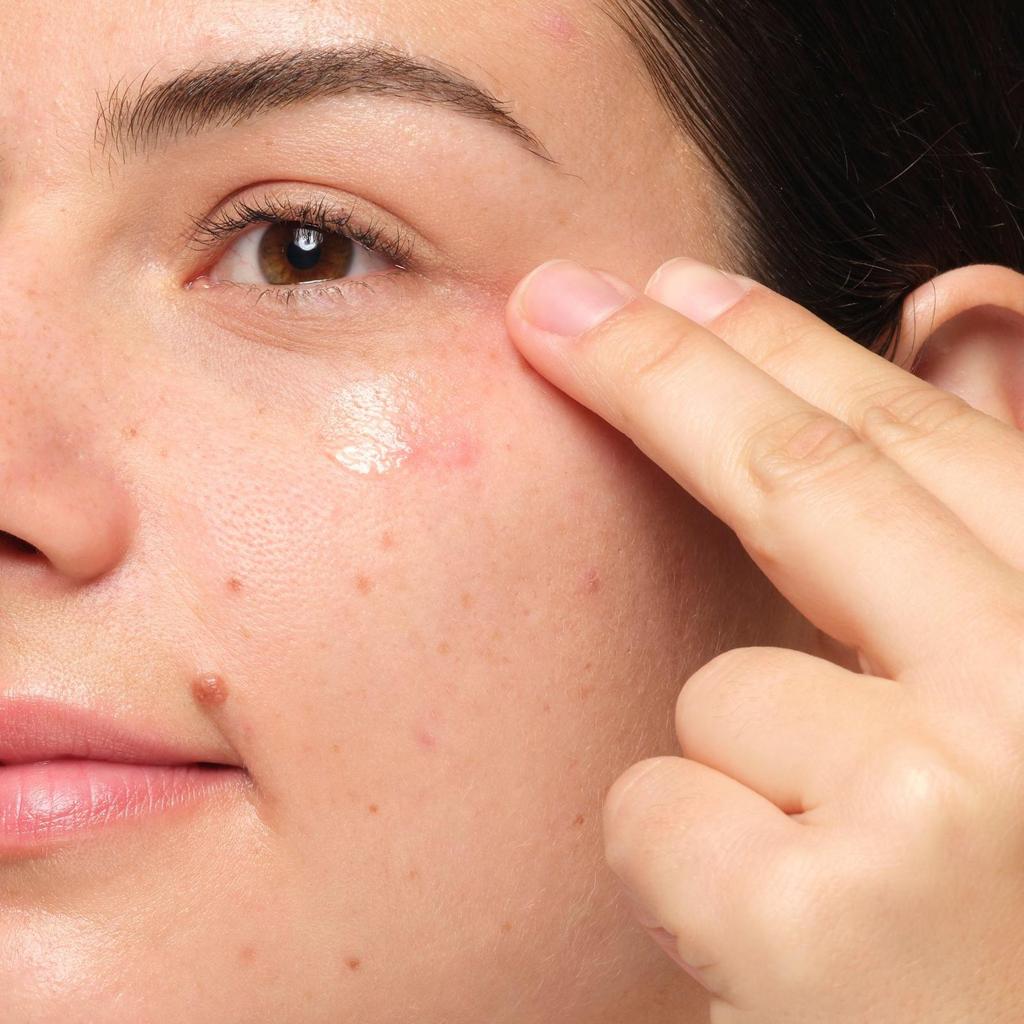
Even a good eye serum may disappoint if you apply too much, use it inconsistently, or irritate the delicate skin around your eyes. A simple routine is usually the best place to begin.
Step 1: Cleanse Your Face Gently
Wash your face with a mild cleanser and lukewarm water. Avoid scrubbing the under-eye area, because friction may worsen irritation and can contribute to pigmentation in susceptible skin.
Pat your skin dry with a clean towel.
Step 2: Apply a Small Amount
Follow the product’s directions. Usually, a small amount is sufficient for both eyes. Use a clean fingertip and gently tap the serum along the orbital bone, where the eye socket surrounds the eye.
Do not apply it directly into your eyes or too close to the lash line unless the product specifically instructs you to do so.
Step 3: Follow With Moisturizer
If your skin needs extra hydration, apply a gentle moisturizer after the serum. This can help reduce dryness and support your skin barrier.
Allow each product to settle according to its instructions before applying the next one.
Step 4: Use Sunscreen in the Morning
Sun exposure can contribute to pigmentation, so protecting your skin is an important part of managing dark circles associated with uneven tone.
Apply a broad-spectrum SPF 30 or higher sunscreen to the surrounding facial skin, taking care to avoid getting it into your eyes. Sunglasses can also help protect the eye area from UV exposure.
Step 5: Stay Consistent
Use your product as directed rather than applying extra serum in the hope of faster results. A routine that your skin tolerates well is more useful than one that causes redness or peeling.
6. Morning vs. Night: When Should You Use Eye serum:
The best time to use an eye serum depends on its ingredients and the manufacturer’s instructions.
Morning routine: A hydrating serum or a caffeine-based formula may suit people who notice puffiness when they wake up. Follow it with moisturizer and sunscreen.
Evening routine: Nighttime can be a convenient opportunity to use a hydrating serum or a product designed to address skin texture. If you use an eye-area retinol, follow its specific directions and start slowly.
You do not need separate morning and evening eye serums to achieve a good routine. One suitable product may be enough.
Avoid introducing multiple active ingredients at once. If irritation develops, stop the product and allow your skin to recover before considering another formula.
Can You Use Eye Serum Every Day?
Many hydrating eye serums are designed for daily use. However, products containing retinol or other potentially irritating actives may require a more gradual introduction.
Always follow the product label, and discontinue use if you experience persistent burning, redness, swelling, or discomfort.
7. How Long Does Eye Serum Take to Work?

This is where patience becomes important. Some eye serums can make the skin feel smoother and more hydrated shortly after application, but improvements in pigmentation and fine lines usually require more time.
Here is a general guide to what you might notice:
- Immediately after application: Hydration may make dry skin look smoother.
- Within a few days: A caffeine-based formula may temporarily improve the appearance of mild puffiness.
- After several weeks: Consistent use of a suitable product may begin to improve the appearance of some types of uneven pigmentation or texture.
- After several months: Longer-term changes may become easier to assess, depending on the ingredients and the cause of your concern.
These are approximate expectations, not guaranteed timelines. Some dark circles will respond only modestly to topical skincare.
Take a photo before beginning your routine and another after several weeks under similar lighting. This can help you judge whether the product is making a meaningful difference instead of relying on day-to-day impressions.
If there is little improvement after consistent use, reconsider whether the serum matches the cause of your dark circles.
8. Common Eye Serum Mistakes You Should Avoid
Sometimes, the problem is not the serum itself but the way it is used. Avoid these common mistakes to make your routine gentler and more effective.
- Applying too much product: More serum does not mean better results. Excess product can migrate into your eyes and cause irritation.
- Rubbing the skin: Pulling or rubbing the under-eye area can irritate delicate skin and may worsen pigmentation over time.
- Using harsh products near the eyes: Strong exfoliating acids, fragrances, and unsuitable active ingredients can cause unnecessary irritation.
- Expecting overnight results: Most changes in pigmentation and skin texture take time.
- Ignoring sunscreen: An effective skincare routine should include sun protection, especially if pigmentation is your main concern.
- Trying too many products together: Introducing several new products at once makes it harder to identify which one is causing irritation.
If you have sensitive skin, test a new product on a small area away from the eyes first, following the product’s directions. Stop using it if irritation develops.
9. Lifestyle Habits That May Help Reduce Dark Circles

Skincare is only one part of the picture. Everyday habits may also help improve the appearance of tired eyes, particularly when sleep, dehydration, or allergies contribute to the problem.
Get enough sleep. Aim for a consistent sleep schedule and an amount of rest that leaves you feeling refreshed. Sleep will not eliminate hereditary dark circles, but inadequate rest can make them more noticeable.
Stay hydrated. Drink water regularly throughout the day. Good hydration supports normal body function and may help when dehydration contributes to a tired appearance.
Try a cool compress. Applying a clean, cool compress for several minutes may temporarily reduce mild puffiness. Avoid placing ice directly on the skin.
Manage allergies. If you have itchy eyes, sneezing, or seasonal allergy symptoms, rubbing your eyes may worsen irritation and discoloration. Discuss suitable allergy treatment with a healthcare professional.
Eat a balanced diet. Include fruits, vegetables, protein, and sources of iron in your diet. If dark circles occur alongside persistent fatigue, pale skin, or other symptoms, a healthcare professional can determine whether an underlying issue needs attention.
10. When Should You See a Dermatologist?

Although dark circles are usually harmless, sometimes professional advice is worthwhile.
Consider seeing a dermatologist if your dark circles persist despite a consistent routine, pigmentation is becoming more noticeable, or you are unsure whether the cause is pigmentation, allergies, or under-eye hollows.
Seek prompt medical assessment if the discoloration or swelling develops suddenly, particularly if it affects only one eye or occurs with pain, redness, or vision changes.
A dermatologist can assess your skin and explain which treatments are appropriate for your particular concern. Depending on the cause, treatment options may include prescription skincare or other professionally administered procedures.
Avoid using strong bleaching products or prescription-strength treatments around the eyes without medical guidance.
Frequently Asked Questions About Eye Serum for Dark Circles
1. Which eye serum ingredient is best for dark circles?
There is no single best ingredient for everyone. Vitamin C and niacinamide may help with uneven pigmentation, caffeine may temporarily improve puffiness, and hyaluronic acid can help hydrate dry skin.
2. Can eye serum completely remove dark circles?
Usually not. Results depend on the underlying cause. Serums may improve pigmentation, hydration, or puffiness, but genetic factors and shadows from facial structure may not respond significantly.
3. Is caffeine eye serum good for dark circles?
Caffeine may temporarily improve mild puffiness, making the under-eye area look more refreshed. It is less likely to help substantially when darkness is caused by hereditary pigmentation or deep hollows.
4. Should I apply eye serum before or after moisturizer?
In many routines, serum is applied before moisturizer because it is lighter in texture. However, follow the instructions for your specific product.
5. Can I use eye serum every night?
Many hydrating formulas can be used nightly. Retinol-based products may require less frequent use initially, depending on the formulation and your skin’s tolerance.
6. Is eye cream better than eye serum?
Neither is automatically better. Serums often provide lightweight, targeted formulas, while creams can offer richer moisturization. Choose according to your skin’s needs and the ingredients.
Final Thoughts: Choose the Right Eye Serum for Your Skin
Dark circles can be frustrating, especially when they remain visible despite getting enough sleep. The good news is that a thoughtful skincare routine may help improve the appearance of your under-eye area without requiring dozens of products.
Start by identifying what concerns you most. Consider vitamin C or niacinamide for uneven pigmentation, caffeine for temporary puffiness, or hyaluronic acid for dryness. Apply the product gently, protect your skin from the sun, and give your routine time to work.
Most importantly, do not judge a serum by its price or popularity alone. The best eye serum for dark circles is one that targets your specific concern, suits your skin, and delivers realistic results with consistent use.
Healthy-looking skin does not have to mean perfectly flawless skin. With the right approach, you can build a routine that helps your eyes look fresher while keeping the delicate skin around them comfortable and well cared for.