Discover the Healing Power of Herbal Tea
For centuries, human beings have turned to the natural world for comfort, healing, and warmth. Long before modern medicine, our ancestors gathered leaves, roots, flowers, and seeds, steeping them in hot water to extract their potent properties. Today, we call these comforting concoctions herbal teahttps://glowingcave.com/2026/07/12/the-ultimate-guide-to-building-a-sustainable-fitness-routine/s.
Whether you are seeking a jitter-free alternative to your morning coffee, a natural remedyhttps://www.healthline.com/health/detox-tea-side-effects for an upset stomach, or a soothing ritual to help you wind down before bed, herbal tea offers a world of flavors and benefits. In this comprehensive guide, we will explore everything you need to know about herbal tea, from its ancient origins to the best ways to brew a perfect cup in your modern kitchen.
1. What Exactly is Herbal Tea?
Despite the name, herbal tea is not technically “tea” at all.
True tea—which includes black, green, white, and oolong varieties—is derived from the leaves of a specific plant called Camellia sinensis. These teas naturally contain caffeine and a specific set of antioxidants.
Herbal tea, on the other hand, is officially known as a tisane (pronounced ti-zahn). A tisane is an infusion or decoction made from any plant other than Camellia sinensis. Because they can be crafted from nearly any edible botanical, the variety of herbal teas is virtually infinite.
Did you know? The word “tisane” comes from the Greek word ptisanē, which originally referred to a medicinal drink made from barley water.
Depending on the blend, herbal teas can be made from:
- Flowers: Chamomile, hibiscus, lavender, rose.
- Leaves: Peppermint, lemon balm, rooibos, raspberry leaf.
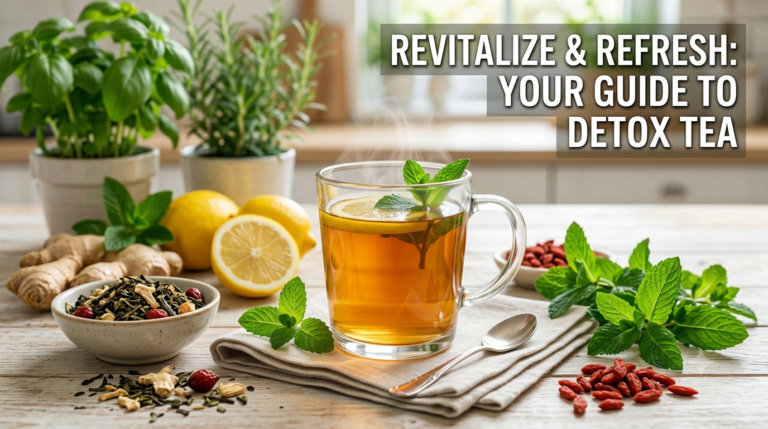
- Roots: Ginger, dandelion, licorice, valerian.
- Seeds/Berries: Cardamom, fennel, elderberry, rosehip.
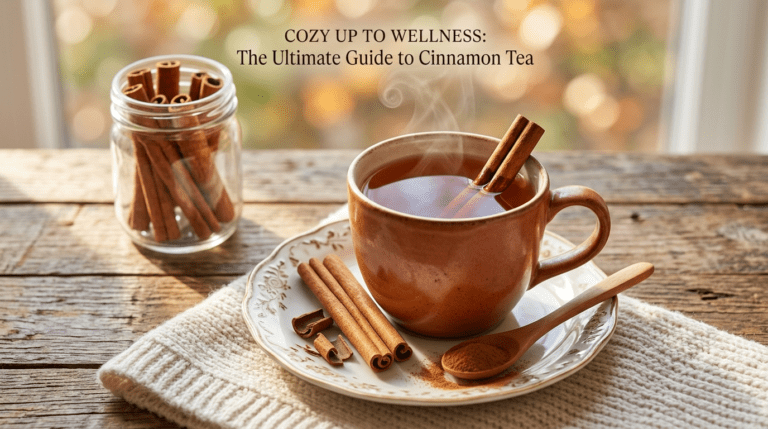
- Bark: Cinnamon, slippery elm.
Because they do not contain Camellia sinensis, the vast majority of herbal teas are completely caffeine-free, making them accessible for children, pregnant women (depending on the herb), and those sensitive to stimulants.
2. The Remarkable Health Benefits of Herbal Teas
The transition from ancient folk medicine to modern wellness trend is backed by a growing body of scientific research. While a cup of tea is not a cure-all, the active compounds found in various botanicals can offer significant support to your body’s natural systems.
Digestive Health
Many herbs are classified as “carminatives,” meaning they help prevent and expel gas in the digestive tract, soothing spasms and discomfort.
- Peppermint: Contains menthol, a natural antispasmodic that relaxes the muscles of the digestive tract. It is highly effective for relieving symptoms of Irritable Bowel Syndrome (IBS), bloating, and nausea.
- Ginger: A powerful anti-inflammatory root that speeds up stomach emptying and effectively combats nausea, particularly morning sickness or motion sickness.
Sleep and Relaxation
In our high-stress world, herbal teas offer a gentle pharmacological nudge toward relaxation without the grogginess associated with sleeping pills.
- Chamomile: Contains an antioxidant called apigenin, which binds to specific receptors in your brain that may decrease anxiety and initiate sleep.
- Valerian Root: Often referred to as “nature’s Valium,” this pungent root increases levels of a neurotransmitter called GABA in the brain, which lowers brain activity and helps you fall asleep faster.
Immunity and Cold Relief
When you feel a tickle in your throat, herbal infusions can provide both symptomatic relief and a boost to your immune system.
- Echinacea: Widely used to prevent or shorten the duration of the common cold by stimulating the immune system.
- Elderberry: Packed with antioxidants and vitamins, elderberries have strong antiviral properties that can help reduce the severity of flu symptoms.
Anti-Inflammatory and Antioxidant Support
Chronic inflammation is at the root of many modern diseases, including heart disease and arthritis.
- Rooibos: A South African red bush tea that is incredibly rich in antioxidants like aspalathin, which can help regulate blood sugar and reduce inflammation.
- Turmeric: Contains curcumin, a potent anti-inflammatory compound. When brewed with a pinch of black pepper (which increases curcumin absorption), it forms a deeply healing, earthy beverage.
3. A Deep Dive into Popular Herbal Teas
With so many options available, it can be difficult to know where to begin. Here is a quick reference guide to some of the most popular and accessible herbal teas, comparing their flavor profiles and primary benefits.
| Herb Type | Flavor Profile | Primary Health Benefit | Best Time to Drink |
| Chamomile | Floral, sweet, apple-like | Promotes sleep, reduces anxiety | Evening / Bedtime |
| Peppermint | Minty, cooling, refreshing | Aids digestion, relieves tension headaches | After meals / Mid-day |
| Ginger | Spicy, warming, earthy | Reduces nausea, fights inflammation | Morning / When sick |
| Hibiscus | Tart, cranberry-like, fruity | Lowers blood pressure, rich in Vitamin C | Afternoon (served iced or hot) |
| Rooibos | Nutty, naturally sweet, smooth | High in antioxidants, supports heart health | Anytime (Caffeine-free base) |
| Lemon Balm | Citrusy, mild, bright | Reduces stress, improves cognitive function | Afternoon / Evening |
Spotlight on Unique Blends
While single-herb infusions are wonderful, the true magic of tisanes often lies in the blending. Herbalists combine plants to create synergistic effects—where the combined ingredients are more powerful than they would be on their own.
The “Cold Care” Blend: Combining elderflower, yarrow, and peppermint is a traditional European remedy for fevers and colds. The elderflower supports immune function, the yarrow promotes healthy sweating to break a fever, and the peppermint soothes the throat and clears nasal passages.
The “Tummy Soother” Blend: A mix of ginger, fennel seed, and chamomile. Fennel seeds contain compounds that relax the gastrointestinal tract, ginger reduces nausea, and chamomile calms the nervous system, which is deeply connected to gut health.
4. How to Brew the Perfect Cup of Herbal Tea
Brewing herbal tea is slightly different from brewing traditional tea. Because herbs, roots, and dried fruits are often tougher than delicate tea leaves, they require a more aggressive extraction method to release their flavor and beneficial compounds.
Step 1: Start with High-Quality Water
A cup of tea is 99% water. If your tap water tastes highly chlorinated or metallic, your tea will too. Always use fresh, cold, filtered water for the best results. Never use water that has been sitting in the kettle overnight, as it loses oxygen and will make your tea taste flat.
Step 2: Mind the Temperature
Unlike green or white teas, which can become incredibly bitter if steeped in boiling water, most herbal teas require a rolling boil.
- Ideal Temperature: 212°F (100°C).The intense heat is necessary to break down the tough cellular walls of dried herbs, particularly roots and berries, allowing the essential oils and vitamins to infuse into the water.
Step 3: Measure Carefully
The standard ratio for herbal tea is 1 tablespoon of loose dried herbs per 8 ounces of water. If you are using fresh herbs from your garden, you will need to double the amount (about 2 tablespoons), as fresh herbs contain water and are less concentrated than their dried counterparts.
Step 4: The Crucial Steeping Process
This is where most people make a mistake. Herbal teas require time.
- Flowers and Leaves (e.g., Chamomile, Peppermint): Steep for 5 to 10 minutes.
- Roots and Barks (e.g., Ginger, Cinnamon): Steep for 10 to 15 minutes, or simmer them actively on the stove in a process called a “decoction.”
Important Tip: Always cover your tea while it steeps! Many of the medicinal benefits and flavors in herbal tea come from volatile essential oils (like the menthol in peppermint). If you leave your mug uncovered, these healing oils will simply evaporate into the air with the steam. Place a small saucer or a specialized tea lid over your mug while you wait.
5. Crafting Your Own Herbal Blends at Home
Once you become familiar with individual flavors, creating your own signature herbal tea blend is a fun, creative, and rewarding process. A well-crafted blend usually consists of three components:
- The Base (50-60%): This provides the main body and volume of the tea. Excellent bases include Rooibos, Honeybush, Lemongrass, or Raspberry Leaf.
- The Active Ingredient (30-40%): This is the herb you are choosing for its specific health benefit or primary flavor. Examples include Peppermint (for digestion), Chamomile (for relaxation), or Ginger (for warmth).
- The Catalyst/Accent (10%): A strong flavor or visually beautiful ingredient that ties the blend together. Examples include Rose petals, Lavender buds, Cinnamon chips, or a pinch of Stevia leaf for natural sweetness.
Example Recipe: The “Sunset Wind-Down” Blend
- 2 parts Chamomile (Base/Active)
- 1 part Lemon Balm (Active)
- 1/2 part Lavender (Accent)
- 1/2 part Rose Petals (Accent)
Mix these dried ingredients in a glass jar, store them in a cool, dark place, and use one tablespoon per cup before bed.
6. Safety and Precautions
While herbal teas are generally very safe and offer wonderful health benefits, they are essentially mild forms of plant medicine. It is important to treat them with respect.
- Pregnancy and Nursing: Not all herbs are safe for pregnant women. Herbs like licorice root, heavy doses of chamomile, and certain forms of ginseng should be avoided. Raspberry leaf is often recommended, but usually only in the third trimester. Always consult your obstetrician before introducing a new herbal regimen.
- Medication Interactions: Herbs can interact with prescription medications. For instance, St. John’s Wort can interfere with antidepressants and birth control pills. Ginkgo Biloba can act as a blood thinner.
- Allergies: If you are allergic to plants in the daisy family (like ragweed), you may experience an allergic reaction to chamomile or echinacea.
Final Thoughts on the Herbal Journey
Incorporating herbal tea into your daily routine is about much more than hydration. It is an invitation to slow down, engage your senses, and connect with the natural world.
The simple act of boiling water, selecting a blend that suits your body’s current needs, and taking a quiet moment to inhale the fragrant steam is a powerful form of self-care. Whether you are growing your own peppermint in a window box, buying loose-leaf blends from a local apothecary, or simply dropping a high-quality tea bag into a favorite mug, herbal tea offers a timeless, gentle path to wellness.For centuries, human beings have turned to the natural world for comfort, healing, and warmth. Long before modern medicine, our ancestors gathered leaves, roots, flowers, and seeds, steeping them in hot water to extract their potent properties. Today, we call these comforting concoctions herbal teas.