Guide to Vitamin C for Skin Brightening: Benefits, Science & Best Serums
The Ultimate Guide to Brightening Vitamin C: How to Achieve Radiant, Even-Toned Skin
In the fast-evolving world of skincare, few active ingredients have achieved the iconic status of Vitamin C. Famed for its ability to transform dull, tired complexions into luminous, youthful skin, it remains a gold-standard recommendation by dermatologists and estheticians worldwide.
Whether you are struggling with stubborn dark spots, sun-induced hyperpigmentation, uneven skin tone, or simply an environment-strained, lackluster finish, brightening Vitamin C glow holds the key to revealing your natural glow.
This comprehensive guide breaks down the science behind Vitamin C, its multifaceted skin benefits, the different derivative forms available, and how to integrate it seamlessly into your daily routine for maximum brightening potential.
What Is Vitamin C in Skincare?
Vitamin C (scientifically known as L-ascorbic acid in its pure form) is a potent, water-soluble antioxidant. Unlike most animals, humans cannot synthesize Vitamin C naturally in their bodies. While consuming citrus fruits, bell peppers, and leafy greens provides necessary internal health benefits, applying Vitamin C glow topically directly targets skin cells to deliver concentrated cosmetic and therapeutic results.
Topical Vitamin C serves as a powerful defense mechanism against daily environmental aggressors such as UV light, air pollution, and oxidative stress—all of which degrade collagen and trigger excess melanin production.
How Vitamin C Brightens Your Skin: The Science Explained
To understand why Vitamin C glow is so effective at brightening, it helps to examine what causes dullness and uneven pigmentation in the first place.
[ UV Light / Pollution ] ──> Generates Free Radicals ──> Triggers Tyrosinase ──> Excess Melanin (Dark Spots)
                                    │
                                    ▼
                      [ Vitamin C Blocks This Pathway ]
1. Inhibiting the Tyrosinase Enzyme
Hyper-pigmentation, age spots, and post-acne marks (post-inflammatory hyperpigmentation) are caused by overactive melanin production.
The primary enzyme responsible for synthesizing melanin in the skin is tyrosinase. Vitamin C acts as a natural inhibitor of tyrosinase. By binding to the copper ions at the active site of this enzyme, Vitamin C effectively turns down the volume on excess pigment production. Over time, existing spots fade and new dark patches are prevented from forming.
2. Neutralizing Free Radicals & Oxidative Stress
Every day, your skin faces unstable molecules called free radicals, generated by exposure to sunlight, blue light, cigarette smoke, and smog. Free radicals break down skin structure and cause systemic cellular dullness and inflammation.
As an antioxidant powerhouse, Vitamin C glow donates electrons to neutralize these free radicals before they can damage your skin matrix, preserving your natural radiance.
3. Boosting Collagen Synthesis
Skin luminosity isn’t just about color; it is also about surface reflection. Rough, sagging, or textured skin diffuses light unevenly, making the complexion look flat. Vitamin C glow is a required cofactor for the enzymes prolyl hydroxylase andhttps://conaturalintl.com/products/vitamin-c-super-activ-skin-serum?srsltid=AfmBOoocYWRO2Ny9BgS4vPXmvQL86xX8h8aTV7UyiYsjJBCEJETEwduB lysyl hydroxylase, which stabilize and cross-link collagen molecules. Plumper, smoother skin reflects light cleanly, giving you a natural “glass-skin” glow.
Top Benefits of Brightening Vitamin C for Skin
Integrating a high-performing Vitamin C glow serum into your daily ritual yields a range of clinically proven benefits:
| Benefit | How Vitamin C Delivers It | Timeline for Visible Results |
| Fades Dark Spots & Hyperpigmentation | Blocks tyrosinase to stop overproduction of melanin pigment. | 4 – 8 weeks |
| Evens Out Skin Tone | Reduces localized redness and dark patches for unified color. | 2 – 4 weeks |
| Protects Against Sun Damage | Pairs with sunscreen to neutralize UV-generated free radicals. | Immediate (Cellular level) |
| Smooths Fine Lines | Stimulates fresh collagen production in the dermal layer. | 8 – 12 weeks |
| Restores Natural Glow | Accelerates cell turnover and protects against atmospheric dullness. | 1 – 2 weeks |
Understanding Different Forms of Vitamin C
Not all Vitamin C formulations are created equal. Skincare chemistry utilizes pure forms as well as specialized derivatives to maximize stability and minimize irritation.
                             ┌── L-Ascorbic Acid (Purest & Most Potent)
                             │
                             ├── Sodium Ascorbyl Phosphate (Great for Acne-Prone Skin)
Topical Vitamin C Forms ─────┤
                             ├── Tetrahexyldecyl (THD) Ascorbate (Lipid-Soluble & Gentle)
                             │
                             └── Magnesium Ascorbyl Phosphate (Hydrating & Sensitive-Friendly)
L-Ascorbic Acid (L-AA)
- Status: Pure, active Vitamin C.
- Best For: Normal to oily skin looking for rapid, potent results.
- Pros: Backed by decades of clinical research; most effective at brightening and collagen building.
- Cons: Highly unstable; degrades quickly when exposed to air and light. Requires a low pH environment (under 3.5), which can cause mild tingling or irritation on sensitive skin.
Tetrahexyldecyl (THD) Ascorbate
- Status: Highly stable, lipid-soluble derivative.
- Best For: Dry, sensitive, or mature skin types.
- Pros: Penetrates deeper into the lipid layers of the skin because it is oil-soluble; significantly less irritating than pure L-ascorbic acid.
- Cons: Slightly more expensive; must convert to ascorbic acid within the skin.
Sodium Ascorbyl Phosphate (SAP)
- Status: Stable, water-soluble derivative.
- Best For: Acne-prone skin.
- Pros: Antimicrobial properties that target acne-causing bacteria while providing gentle brightening effects. Highly stable in water-based formulas.
- Cons: Less potent for rapid dark spot clearance than concentrated L-Ascorbic Acid.
Magnesium Ascorbyl Phosphate (MAP)
- Status: Water-soluble, hydrating derivative.
- Best For: Highly sensitive, reactive, or dry skin.
- Pros: Excellent moisturizing qualities; exceptionally stable and gentle.
- Cons: Milder brightening intensity compared to L-AA.
How to Choose the Right Vitamin C Formulation
To ensure your Vitamin C serum delivers noticeable brightening without compromising your skin barrier, evaluate these key criteria:
- Optimal Concentration (10% to 20%): Look for concentrations between 10% and 20%. Below 10%, the formulation may lack brightening punch; above 20%, skin irritation increases without yielding additional benefits. Beginners should start around 10% to 15%.
- Synergistic Ingredients: Vitamin C works best when formulated alongside fellow antioxidants.
- Vitamin E (Tocopherol): Replenishes Vitamin C and strengthens the lipid barrier.
- Ferulic Acid: Doubles the stability of Vitamin C and enhances protection against sun damage.
- Hyaluronic Acid: Ensures hydrated, smooth delivery.
- Packaging Integrity: Pure Vitamin C oxidizes rapidly when exposed to air, heat, and light. Choose products packaged in dark glass, opaque bottles, or airtight pump dispensers. Avoid clear dropper bottles.
Step-by-Step Guide: How to Apply Vitamin C Correctly
Maximize the efficacy of your brightening serum by using it properly in your daily skincare order:
- Cleanse: Wash your face with a gentle, pH-balanced cleanser to remove impurities without stripping skin lipids.
- Tone/Hydrate (Optional): If using a hydrating toner, pat it in and wait until your skin is slightly damp or dry.
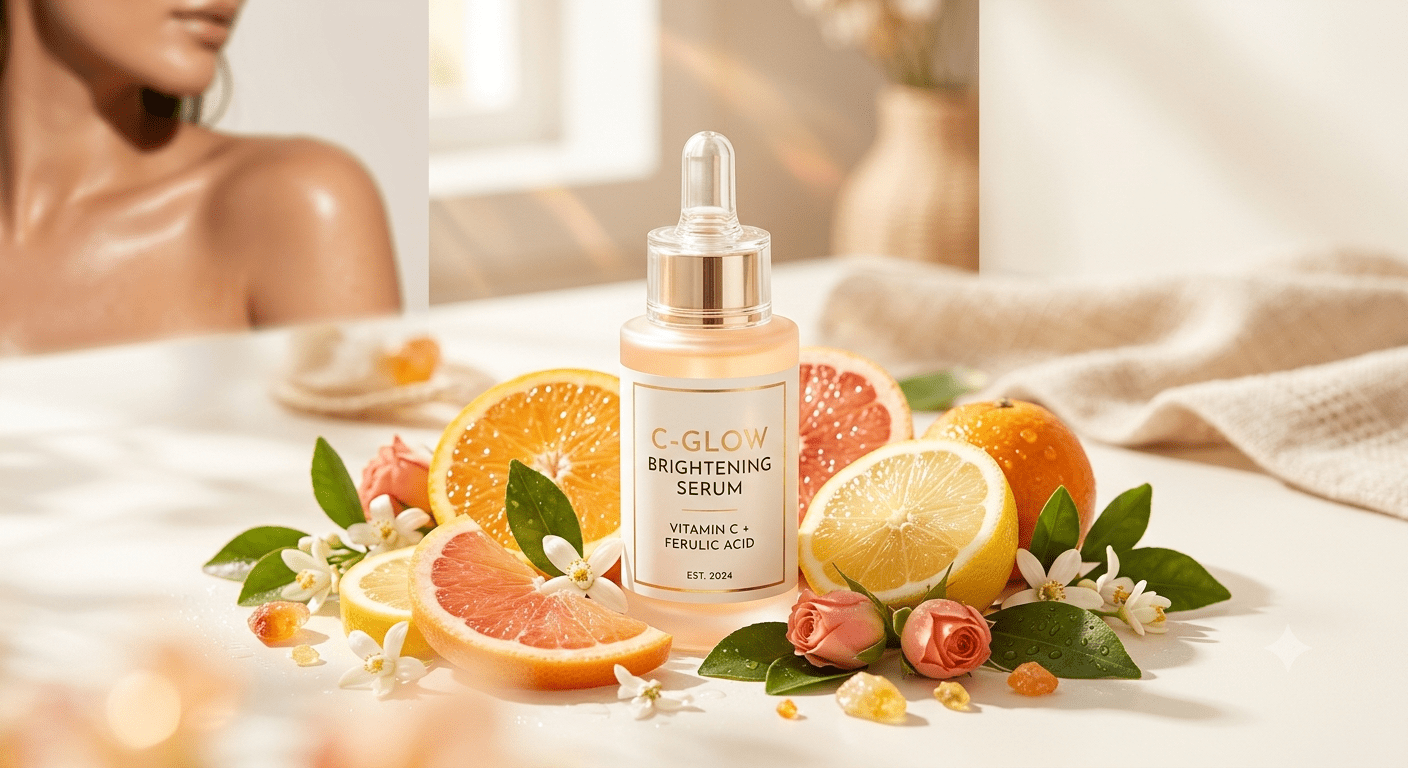
- Apply Vitamin C Serum: Dispense 3 to 5 drops of Vitamin C serum onto dry fingertips. Press gently into your face, neck, and décolletage. Allow it to absorb for 1–2 minutes.
- Moisturize: Lock in hydration with a nourishment-rich moisturizer suited to your skin type.
- Protect with Broad-Spectrum Sunscreen (AM): Crucial Step! Vitamin C and SPF are ultimate allies. Vitamin C neutralizes free radicals that penetrate your sunscreen, while sunscreen prevents UV rays from producing new dark spots.
Common Mistakes to Avoid
- Using an Oxidized Product: If your serum turns dark orange or brown, it has oxidized and lost its potency. Discard oxidized serums, as they can cause skin irritation or staining.
- Mixing with Incompatible Actives: Avoid pairing pure L-ascorbic acid directly with high-strength AHAs/BHAs or Retinol in the same step. This can over-exfoliate your skin and disrupt pH balance. Use Vitamin C in the morning and Retinol or chemical exfoliants at night.
- Skipping Sunscreen: Using a brightening product without applying broad-spectrum SPF during the day undermines your progress. Sun exposure triggers fresh melanin synthesis, undoing the work of your active serum.
- Applying to Irritated or Broken Skin: High concentrations of L-ascorbic acid can sting compromised skin. Heal your moisture barrier before introducing potent active acids.
Frequently Asked Questions (FAQs)
How long does it take for Vitamin C to brighten skin?
Noticeable skin radiance and fresh glow can appear within 1 to 2 weeks. Fading hyperpigmentation, dark spots, and stubborn sun damage typically requires consistent daily application for 4 to 12 weeks in alignment with your natural skin cell turnover cycle.
Can people with sensitive skin use Vitamin C?
Yes! If pure L-ascorbic acid causes redness or stinging, opt for derivative forms like Tetrahexyldecyl (THD) Ascorbate or Magnesium Ascorbyl Phosphate (MAP). Alternatively, start with a lower L-ascorbic acid concentration (5% to 10%) every other day until tolerance builds.
Should I store my Vitamin C serum in the fridge?
Storing pure L-ascorbic acid serumshttps://glowingcave.com/2026/08/05/how-to-repair-a-damaged-skin-barrier-complete-dermatologist-approved-guide/ in a cool, dark place—like a skincare fridge or a dark drawer away from bathroom humidity—slows down oxidation and extends shelf life.
The Verdict: Unlocking Your Brightest Skin
Brightening Vitamin C is much more than a temporary beauty trend—it is a scientifically backed, non-negotiable core ingredient for achieving a radiant, clear, and resilient skin complexion.
By selecting the right formulation for your unique skin type, pairing it with complementary antioxidants like Vitamin E and Ferulic Acid, and following up with daily sunscreen, you can effectively erase dullness, eliminate hyperpigmentation, and enjoy glowing skin year-round.